
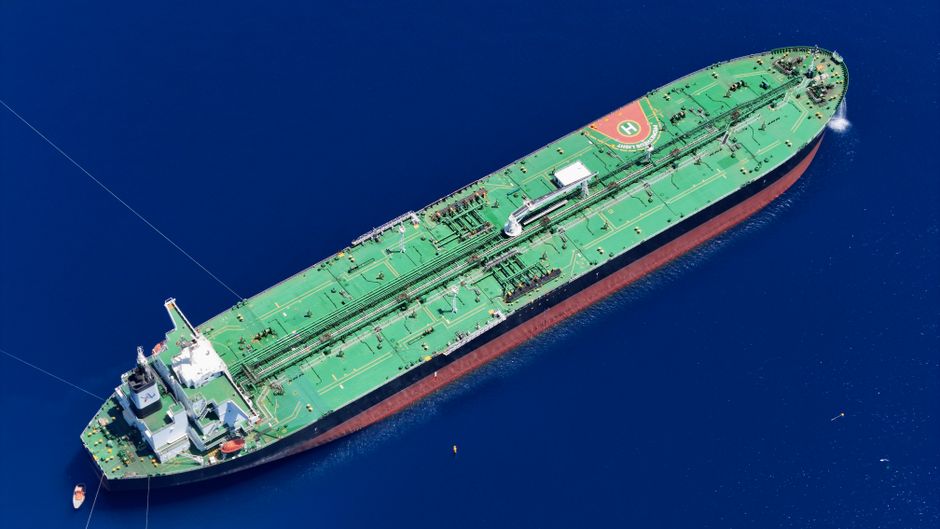
Twenty-four people have died in 116 attacks on ships since the Iran war began, according to International Maritime Organisation figures through October 20. Attacks have recently picked up pace. Beneath those figures sits a headline that sounds like good news: oil exports from the Middle East, excluding Iran, have returned to pre-war levels.
Non-Iranian Middle East oil flows averaged more than 24.5 million barrels per day for the week ended October 18, according to preliminary Kpler data. In the week ended February 22, just before the war, they averaged 24.4 million barrels per day. The recovery is real, but it relies on workarounds and a strait that ships have largely abandoned.
The Human Cost at Sea
The United States and Israel attacked Iran on February 28, starting the war. Tehran retaliated against its Gulf neighbours and oil-carrying ships in the Strait of Hormuz, a narrow waterway in the Arabian Gulf. Iran has blockaded the strait since the conflict began. Its attacks have hit merchant vessels whose crews had no part in the decision to go to war.
Ship traffic shows just how thoroughly the attacks have frightened owners away. About 19 commodity vessels a day crossed the strait during the 10 days reported. Before the war, more than 100 ships crossed each day. They carried oil, fertilisers and refined products to global markets, but Iranian attacks prompted shipowners to steer clear.
How the Oil Gets Out
Kpler’s estimate includes routes that bypass Hormuz: Gulf of Oman ship-to-ship net exports, terminal loadings from Fujairah and Oman ports, and Red Sea exports. It excludes Iranian exports and may change depending on ship crossings. The recovery, then, has been built around the blockade, not through it.
The next step raises troubling questions. The United States plans to allow sanctioned "dark fleet," or "shadow fleet," vessels to transit, while investors buy and refurbish idle ships to carry legitimate oil. These vessels operate outside conventional shipping regulations and use deceptive practices to hide sanctioned or high-risk cargo. In a waterway where 24 people have already died, putting them to work raises a plain question: who bears the risk? Crews on such ships rarely make the decisions.
Prices Stay High
The recovery in volumes hasn't eased prices at the pump or factory gate. Brent crude, the benchmark for about two-thirds of the world's oil, stood above $109 per barrel in the article's opening figures and above $110 at 1:16 p.m. UAE time on Wednesday. West Texas Intermediate was approximately $98 per barrel in the opening figures and neared $100 later in the day.
High energy prices reach far beyond the Gulf. They raise transport, food and fertiliser costs, hitting hardest in households and economies with the least cushion. Fertilisers once moved through Hormuz; now, those cargoes are among the goods facing disruption.
Why This Matters:
Markets may have adapted, according to the oil numbers. The casualty figures tell a different story. Twenty-four deaths and 116 attacks, with attacks rising, show a war still widening its reach even as export volumes return to normal. Shadow-fleet vessels operate outside regulation, adding fresh risks for the seafarers who crew them. Meanwhile, Brent above $110 spreads the conflict’s economic strain well beyond the Gulf. A recovery measured in barrels says little about whether the blockade, attacks on shipping or the war behind them are any closer to ending.
- middle east oil exports
- strait of hormuz
- iran war
- oil shipping
- dark fleet
- brent crude
- oil prices
- red sea exports