
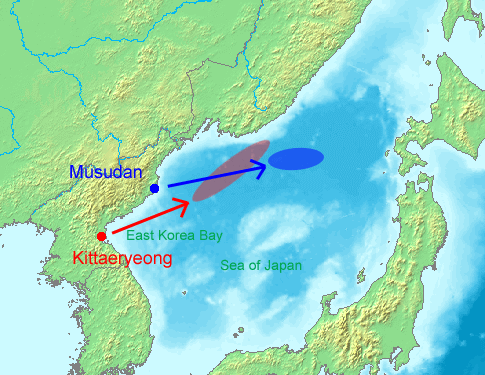
North Korea launched missiles toward the sea on Wednesday in its second such provocation in two days, while simultaneously dismissing South Korea's diplomatic overtures with hostile rhetoric that underscores the continued security threat on the Korean Peninsula.
South Korea's military confirmed the launches and maintained monitoring operations as North Korea fired what reports described as short-range ballistic missiles and an unidentified projectile toward the sea off its east coast. The rapid succession of launches—two events in as many days—demonstrates Pyongyang's willingness to escalate tensions despite Seoul's stated hopes for warmer relations.
Diplomatic Rejection and Hostile Rhetoric
A senior North Korean official released insults toward Seoul's diplomatic initiatives, making clear that Pyongyang views any reconciliation efforts with contempt. The North Korean regime dismissed Seoul's diplomacy hopes entirely, describing Seoul's "true colors" as unchanged and framing the South Korean government's stance as fundamentally hostile.
Pyongyang's declarative position that Seoul remains an enemy state effectively dashed any near-term prospects for easing tensions through dialogue. The harsh language accompanying the missile launches suggests North Korea sees no benefit in diplomatic engagement, preferring instead to maintain its adversarial posture while continuing weapons testing.
Security Implications for the Region
The missile launches toward the sea off North Korea's east coast represent continued military development activity that threatens regional stability. South Korea's military response—confirming the launches and monitoring the situation—reflects the ongoing security burden that Pyongyang's provocations place on Seoul and its defense apparatus.
The pattern of repeated launches in quick succession, combined with aggressive diplomatic messaging, indicates North Korea's strategy of simultaneous military demonstration and political intimidation. This approach leaves South Korea with limited options beyond maintaining defensive readiness while Pyongyang pursues its weapons programs unimpeded by diplomatic considerations.
The North Korean regime's characterization of Seoul as maintaining an enemy state posture, despite Seoul's expressed interest in warmer bilateral relations, reveals the fundamental disconnect between the two governments. Pyongyang's insistence that Seoul's "true colors" remain hostile suggests the North views any South Korean diplomatic initiative with deep suspicion, regardless of its stated intentions.
Why This Matters:
North Korea's missile launches and simultaneous rejection of diplomacy underscore the persistent security challenge facing South Korea and the broader region. The regime's willingness to conduct multiple launch events within two days while delivering crude insults toward Seoul's diplomatic hopes demonstrates that Pyongyang prioritizes weapons development and adversarial posturing over any potential benefits from improved relations. South Korea faces continued defense spending requirements and operational burdens as its military monitors these provocations. The North's declarative stance that Seoul remains an enemy state, regardless of diplomatic overtures, suggests that stability on the Korean Peninsula will depend on deterrence and defensive preparedness rather than negotiated agreements. For regional security planning and defense budgets, Pyongyang's pattern of behavior indicates no near-term reduction in the threat environment, requiring sustained military readiness and alliance coordination.