
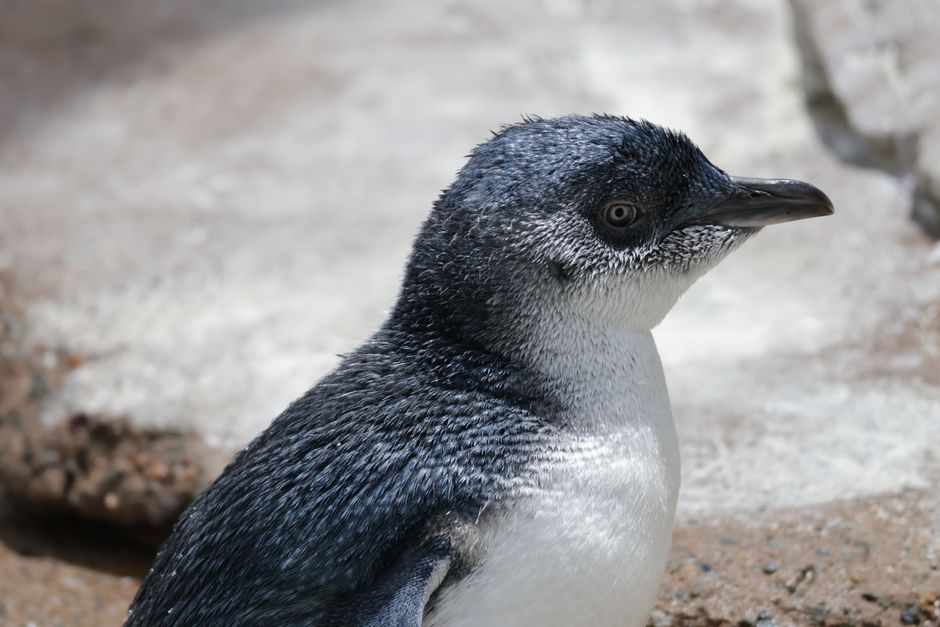
The NSW government has identified little penguins and critically endangered regent honeyeaters as priority species for bird flu vaccination after the state’s fifth case of the deadly virus was confirmed on Saturday in a greater crested tern found dead near Eden on the South Coast. The virus is already moving through wild populations, and the people managing the response are chasing it after the fact.
At least 50 birds of the same species died in a mass mortality event in South Australia earlier this month. That’s the scale of the damage. Not a single isolated case, but a die-off that has pushed authorities to talk about monitoring mass deaths and genetic shifts instead of pretending they can spot every sick bird one by one.
Who Pays When the Virus Moves
Bird ecologist Professor Anne Peters, from Monash University, called the notorious fish-and-chip thieves the “Typhoid Mary” superspreaders of bird flu because they range widely between cities, the coast and inland areas. Infected ducks, meanwhile, can carry the virus far without falling ill. Peters said, “Finding active viruses in birds that aren’t sick at all would also be extremely worrying.” That’s the ugly trick of the outbreak: the virus doesn’t wait for the neat little categories bureaucracies like to manage.
A Victorian plan to vaccinate 5000 little penguins on Phillip Island did not move fast enough, with news of a penguin dying from the disease breaking on Saturday. A Phillip Island penguin has died from H5N1 bird flu in the first detection among the island’s little penguin colony. Authorities said it is one of three new detections of the virus in Victoria. The new detection is one of three announced by Victoria’s chief veterinary officer, Graeme Cooke, on Saturday.
The NSW government said plans to inoculate captive little penguins and regent honeyeaters in the state were on track but awaiting approval from the national Animal Health Committee. The government is working with organisations including Taronga Zoo, which breeds regent honeyeaters for wild release. Fewer than 400 exist in the wild. The state’s answer runs through committees, permits and institutional partners while the birds at the bottom of the chain keep dying.
What the Authorities Call a Response
While the vaccine can reduce mortality, it’s not known exactly how well it protects native birds, and experts warn vaccines alone can’t stop ecological catastrophe. The government has acknowledged there is little data about the vaccine’s effectiveness outside of poultry. Bird flu expert Dr Ariful Islam from Charles Sturt University said, “It is not a silver bullet. The vaccine cannot be the only weapon to control the virus and containment of outbreaks. It’s a supplementary tool.”
Last year, the government commissioned trials at CSIRO’s Australian Centre for Disease Preparedness to establish dose rates for small native bird species. Further pilot studies tested the safety of the vaccine, which was developed for poultry, in other captive natives including penguins, ratites, raptors, owls, shorebirds, ducks, cockatoos and other parrots. When asked for efficacy data, a spokesperson from the Department of Agriculture, Fisheries and Forestry said, “results to date have been encouraging and have informed regulatory assessments and emergency use arrangements for the vaccine.” That’s the language of managed uncertainty: encouraging results, emergency use, and a lot of waiting while the virus keeps its own schedule.
The spread of the virus into silver gulls in South Australia has sparked fears of widespread infection among native birds. Experts have called for greater action to protect marine mammals, including the endangered Australian sea lion. Professor Euan Ritchie, an ecologist at Deakin University, questioned why the government hadn’t capitalised on the five-year head start Australia had before the virus arrived to invest in developing its own vaccine to protect the nation’s globally unique mammals. He said, “If [a mammal vaccination] is possible, and it’s only been limited by investment, then the government would need to answer to Australians why that hasn’t been a priority.”
Delivering the two required vaccine doses to many wild species is not feasible, but it’s theoretically possible to target some threatened animal populations such as sea lions, Ritchie said. “In some cases, like the Tasmanian devil, they have small populations and they’re range-restricted, so it’s not outside the realm of possibility to entertain a vaccination program.” Even here, the limits are built into the system: what can be done depends on investment, access and whether the species fits the state’s narrow planning logic.
The Virus, the Labs, and the Delay
The genotype of H5 bird flu hitting Australia, called B3.2, ripped down the entire west coast of South America in just six months before jumping into the sub-Antarctic, according to CSIRO. Dr Frank Wong from the agency’s Australian Animal Health Laboratory said, “[It caused] great impact to South American poultry industries as well as to wild bird life and to marine mammals, so that’s why we’re concerned about the introduction of this virus to Australia.” The genotype is different to the strain of the virus that has circulated in dairy cows and sickened humans in the US.
CSIRO released a pre-print paper last week using genomic data to track how the virus spread from South America across the sub-Antarctic to Australia. The agency is now monitoring the virus for changes, including re-assortment with local low-pathogenic bird flu, which could increase infectiousness, and mutations in a gene called PB2. Dr Matthew Neave from CSIRO said, “In other parts of the world, when this virus has got into mammals, there’s certain particular nucleotides in the gene which change and allow that virus to infect mammals more readily.”
Phillip Island Nature Park, which operates the penguin parade, will remain open while the vaccination program is rolled out. Victoria’s chief biodiversity officer, James Todd, said the latest cases were significant because the areas hosted several at-risk bird species that would congregate for the upcoming spring breeding season. Cooke said, “We … recognise that this is distressing for Victorians to see and to hear.” He also said, “It’s highly likely the conditions are conducive for H5N1 spread in those areas that would lead to large losses of wildlife,” and added, “There’s little we can do to minimise that impact. Having said that, we are working as hard as we can to protect at-risk species and to continue to respond to detections as they come on hand.”
Cooke said the recently announced vaccination program of the little penguin colonies on Phillip Island and St Kilda will begin on Monday despite the detection there. “We know that little penguins are iconic and highly valued by Victorians, and for that reason, we are working as a priority to protect those communities,” he said. He said, “We are rolling out the vaccination program as quickly and urgently as was possible after the federal authorities released the permits and released the vaccines to the jurisdictions.” He added, “We are very concerned … about this detection, but it does represent early surveillance and early vigilance.” He said large groupings of penguins were historically more susceptible to infection and that, at this time of year, the penguins are not at their full capacity in terms of numbers, so it’s a good time to start vaccinating.