
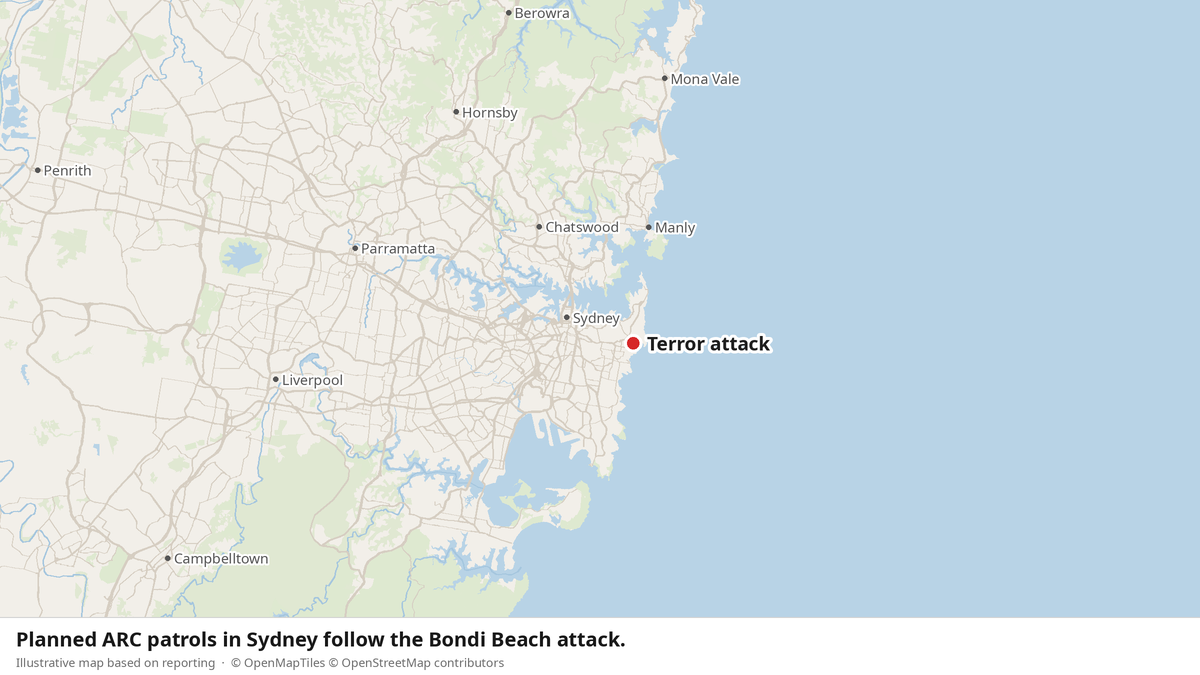
NSW Police have unveiled an armed response command that will carry long-arm rifles and can be deployed outside major attractions and events across Sydney following the Bondi terror attack.
The announcement puts a heavily armed unit on the public’s doorstep. It’s a visible, significant shift in how crowds and landmarks in Australia’s largest city will be policed.
What the Unit Will Do
According to details released, the special unit will carry long-arm rifles. It can be stationed outside major attractions and events, meaning everyday public life in Sydney—from big gatherings to popular tourist drawcards—could soon include a visible armed presence.
The Bondi terror attack prompted the force to establish the command. Police haven’t set out the full scope of the unit’s powers, its size, its cost or the rules governing when and where it’s deployed.
The Questions Still on the Table
Those gaps matter. A new armed unit created quickly after an attack raises questions that democratic institutions exist to answer. Who oversees the command? What training and accountability standards will its officers meet? How will the public, and the communities most affected by the attack, be told when and why long-arm rifles are deployed outside an event?
The announcement addresses none of that. The facts we have are narrow: a new command, long-arm rifles, and deployment outside major attractions and events.
Communities rattled by the Bondi attack will understandably want to feel safe. A visible police presence can reassure people. But reassurance and accountability aren’t the same thing, and public safety policy based on armed deployment works best with clear, published rules and independent scrutiny.
A Policy Built on Response
The attack prompted the creation of the unit and has already taken a toll. That sequence—an atrocity followed by a rapid expansion of police firepower—is familiar in public policy. Governments face real pressure to act. The harder work is ensuring the response is proportionate, transparent and doesn’t leave any community feeling like a suspect rather than a citizen under protection.
Police haven’t detailed how the unit will work alongside community groups, venue operators or event organisers. They haven’t said how long the command is expected to operate or how they’ll measure its effectiveness.
Why This Matters:
The new armed response command changes the texture of public space in Sydney. For residents and visitors, large events and landmarks may now come with a rifle-carrying police presence. That trade-off deserves open public debate, not quiet acceptance.
The facts released so far don’t explain the oversight, training or reporting arrangements that would let the public judge whether the unit is working as intended. When a government expands armed policing in response to a terror attack, democratic accountability helps keep people safe. Clear rules, independent review and honest communication with affected communities will determine whether security measures build trust or erode it. Those details will matter as much as the rifles themselves.