
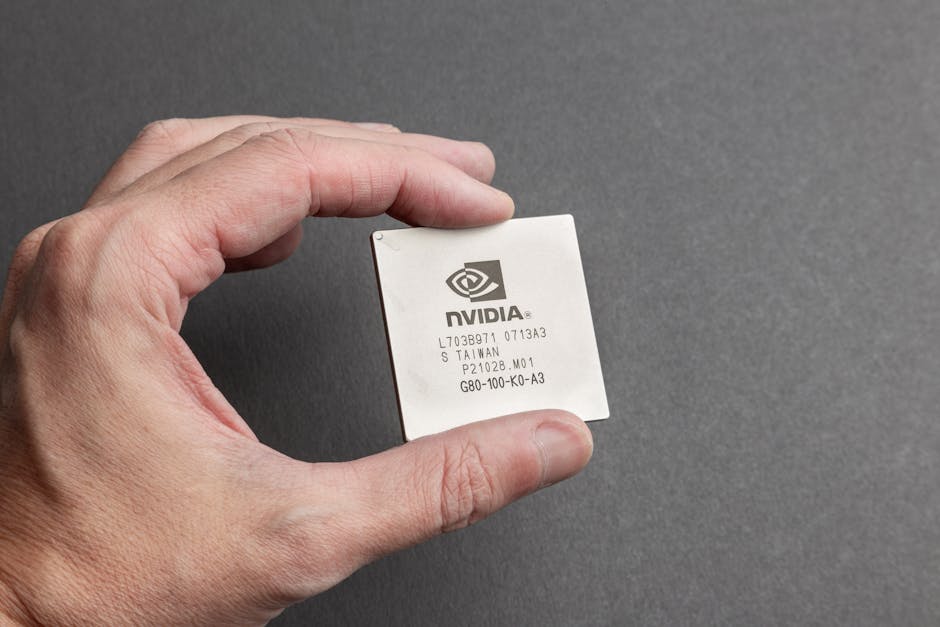
Nvidia's H200 AI accelerator chips have been allowed to enter mainland China in small batches, the Financial Times reported, citing two people with knowledge of the matter. The report, carried by Reuters on Aug. 19, 2026, says the chips reached China in small shipments, while leaving out the quantities, timing, route, buyers, and regulatory conditions that made the transfer possible.
Who Gets Access, Who Gets Left Out
The only concrete fact on the table is that a high-value piece of computing hardware was permitted into mainland China in small batches. That permission matters. These aren't ordinary goods moving through a neutral marketplace; they're AI accelerator chips, controlled hardware whose movement depends on decisions made far above the people who will live with the consequences. The Financial Times report, citing two people with knowledge of the matter, gives no numbers and no details about who received them. The silence says plenty. The apparatus that decides what crosses borders and what doesn't keeps the public outside the room.
Small shipments mean controlled access. Controlled access means hierarchy. The report doesn't say whether the chips went to firms, labs, brokers, or some other buyer, and it doesn't say what regulatory conditions applied. That absence leaves ordinary people with the usual gift from the top: a fact without accountability. The state and the corporate machinery around it can open a gate a little, close it a little, and call that order.
What the Report Leaves Out
Reuters said the account did not provide quantities, timing, or any further details about the route, the buyers, or the regulatory conditions involved. Those missing pieces are the whole game. When a shipment of this kind moves in the dark, the public gets the headline and the powerful keep the mechanism. No route. No buyer. No conditions. Just a reminder that access to advanced technology is managed like a privilege, not a common good.
The report also doesn't say why the chips were allowed in, who approved the move, or what leverage sat behind the decision. That matters because every such transfer sits inside a larger structure of corporate power and state permission. The people at the bottom don't get a vote on any of it. They get the consequences after the fact.
The Machinery Behind the Shipment
Nvidia's H200 AI accelerator chips are the subject here, but the real story is the system that treats them as strategic objects to be rationed, routed, and quietly released in small batches. The Financial Times report, as relayed by Reuters, offers no public accounting of the chain from approval to arrival. It doesn't need to. The lack of detail is part of how these arrangements work. Decisions are made elsewhere, then presented as finished facts.
That leaves the public with a familiar arrangement: a powerful company, a controlled border, unnamed people with knowledge, and a shipment that somehow arrives without the rest of us being told how. The machinery hums. The people below are expected to accept the result and move on.
The report's restraint is its own kind of confession. When the route, the buyers, the timing, and the conditions all stay hidden, what remains is the shape of power itself: selective, opaque, and answerable to no one outside its own circle.