
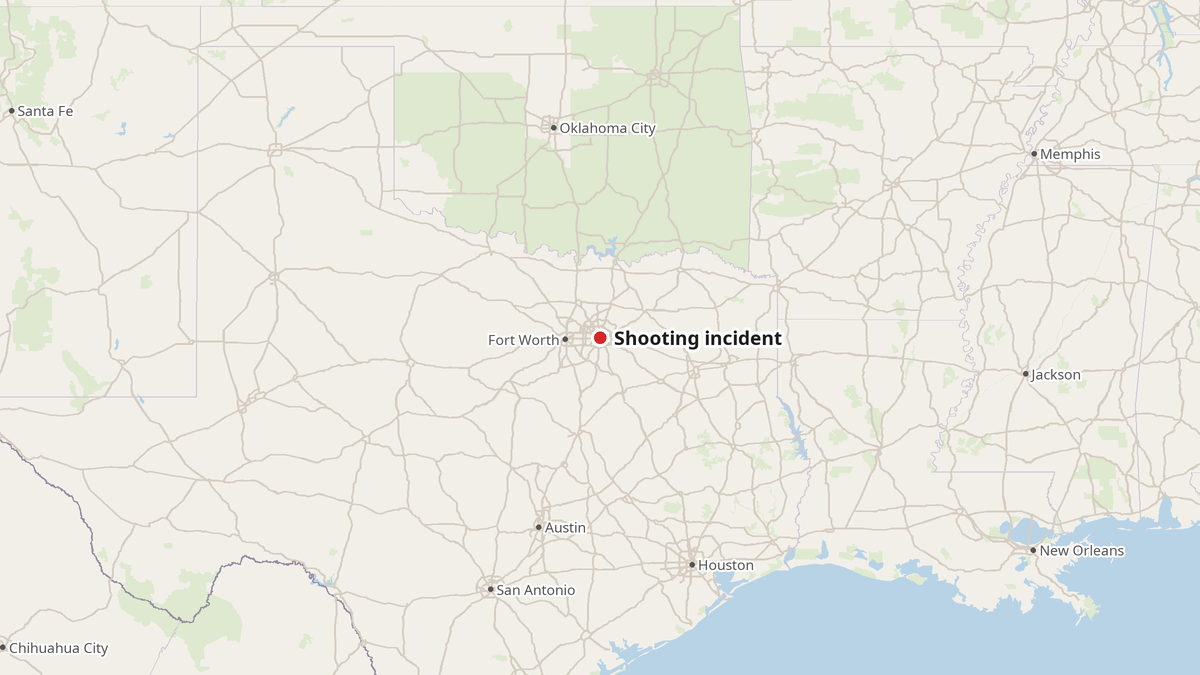
Four people died and 15 were wounded in three shootings in Dallas’ Deep Ellum entertainment district early Sunday, part of a Halloween weekend of gun violence that left at least eight people dead and dozens more injured across the country. Federal authorities in Texas planned a news conference Monday to discuss their response.
The three Dallas shootings unfolded over roughly an hour and 15 minutes in a neighborhood known for music venues and restaurants. Investigators were still working to determine whether the incidents were connected and what set them off. Dallas Police Chief Daniel Comeaux said his department had boosted its police presence in the district before the gunfire began. It wasn’t enough.
A Neighborhood Already on Edge
Deep Ellum has seen violence before. Earlier this year, two people were fatally stabbed during a fight outside a nightclub in February. A gunman shot and killed a security guard in May as the guard tried to break up a fight inside a nightclub. That same month, five people were wounded in a nonfatal shooting outside a sports bar during Cinco de Mayo festivities, police said.
The violence stretched well beyond Texas. Shootings also happened in entertainment districts and college towns, including Fayetteville, Arkansas; Birmingham, Alabama; Newark, Delaware; Bloomington, Illinois; and Bloomington, Indiana. Authorities across the country kept searching for suspects and motives as elected officials condemned the bloodshed.
Young Lives Lost at a Costume Party
In Jackson, Mississippi, two people were killed and six injured early Sunday at a Halloween costume party in a nightclub. Just before the shooting, two men wearing ski masks entered the club, and at least one opened fire into the crowd, police said. The dead were a 20-year-old man and an 18-year-old woman. The six wounded went to hospitals with injuries that didn’t appear life-threatening. Police hadn’t identified any suspects.
"No one should have to fear for their life while enjoying an evening out," Jackson Mayor John Horhn said in a statement.
Near Indiana University’s campus, gunfire wounded seven people early Sunday in a busy nightlife area. Police said they didn’t believe any of the victims were students. Bloomington Mayor Kerry Thomson said in a video address shared on social media: "This is unacceptable in Bloomington, and in any community." Thomson acknowledged that even with increased police staffing, no public safety plan could eliminate every act of violence.
Birmingham After the Magic City Classic
In Birmingham, one person died and eight were wounded in two separate shootings just outside Legion Field on Saturday night, after the annual Magic City Classic football game. Alabama State and Alabama A&M, archrivals whose contest has been played for more than 100 years, drew nearly 70,000 fans. Alabama A&M won 31-28. The event brings some of the largest crowds in the country to games in its college football division.
Birmingham Police Chief Michael Pickett said most spectators and families had left the stadium property by the time the first shooting happened nearby, where vendors had set up along Graymont Avenue.
What the Data Shows
Academic studies of police and hospital data from major cities over the last decade have found that gun violence happens more often at night, on weekends and on holidays. Several studies identified July Fourth as one of the most violent holidays, or the most violent, citing dark hours for fireworks celebrations, alcohol consumption and other factors. New Year’s and Halloween also ranked high.
The national picture has improved. FBI figures for 2025 showed the U.S. homicide rate had fallen to its lowest point in 75 years, with homicides down 18% and overall violent crime down 9.3% that year. Federal authorities and nonprofit groups said national violent crime and homicide rates had declined since 2022, and experts said the trend continued through the first six months of 2026.
Why This Matters:
The weekend’s toll falls hardest on ordinary people trying to enjoy a night out: concertgoers, football fans, college-town revelers and partygoers in costume. Dallas and Bloomington added police, yet people still got shot. That’s a reminder of Mayor Thomson’s point: no single public safety plan can eliminate every act of violence. The record-low homicide rate shows sustained, collective effort can bring numbers down, but the weekend’s casualties show how fragile that progress remains at predictable flashpoints like holidays and big gatherings. Whether federal and local officials pair enforcement with prevention will shape whether the next holiday looks any different.
- dallas shootings
- gun violence
- halloween
- deep ellum
- jackson mississippi
- birmingham alabama
- bloomington indiana
- mass shootings