
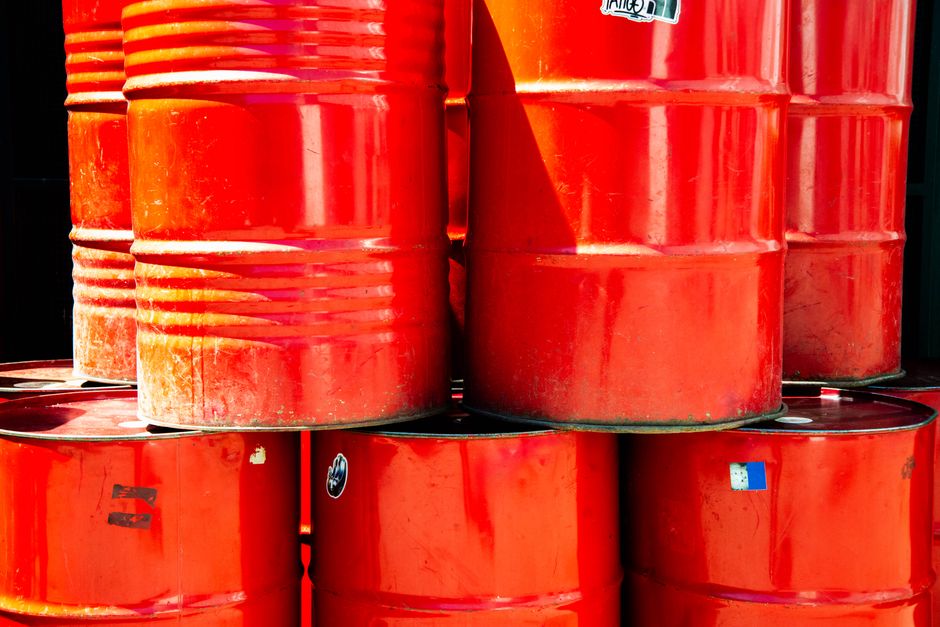
Brent crude hit $114.06 a barrel on Friday, up 0.79%, and West Texas Intermediate futures for December delivery climbed 1.16% to $100.61. Those numbers will land in your gas tank, your heating bill, and your grocery cart long before they land anywhere near a boardroom.
The trigger: fresh attacks by Iran-backed Houthi militants against Saudi Arabian facilities, which are driving what the wire copy calls "new fears over an oil supply squeeze." Reports earlier this week suggest the U.S. and Israel could resume strikes against Iran following the midterm elections. Read that again. Strikes get penciled in for after the votes are counted, because the people running the show know what voters would say if asked.
Who Has the Power
While oil climbed, the machinery of high finance did what it does best: shuffled paper and called it news. Treasury yields edged higher early Friday, following a sharp drop the previous session. The 10-year yield rose 2 basis points to 4.9779%. The 2-year note also gained 2 basis points, to 4.6647%. The 30-year was up more than 1 basis point at 5.3007%.
Thursday was the real show. Investors "flocked to U.S. government bonds as a safe haven trade," citing growing concerns over rising AI-related debt and renewed Middle East tensions. The 10-year yield tumbled 17 basis points to 4.972%, its biggest one-day slide since March 10, 2023, and the first time it dipped below 5% in a month. Capital runs for cover the instant things look shaky, and it runs straight to the state, which has always been the bank's favorite bodyguard.
Who Gets Crushed
Here's the part the market ticker skips. The 10-year Treasury is described as "the main benchmark for mortgages, auto loans and credit card debt." Yields near 5% mean the cost of owning a roof, a car, or a running balance on a credit card stays punishing. Nobody at the top of this pyramid is sweating a 4.9779% mortgage. The people carrying that debt are.
The 2-year note, which "more closely follows short-term Federal Reserve rate decisions," matters because the Federal Reserve's interest rate decision is due next week. A small committee of unelected officials will decide the price of borrowing for hundreds of millions of people, and the rest of us get to watch traders parse Friday's flash S&P Global PMI readings for "a fresh view on the U.S. growth and inflation trajectory." Your livelihood is the trajectory. You just don't get a vote on it.
What They're Calling "Order"
The vocabulary is a masterclass in distance. "Safe haven trade." "Supply squeeze." "Inflation concerns." Whose concerns? Rising energy costs are "weighing on inflation concerns," which is a polite way of saying prices go up, wages don't, and the people who set rates and fire missiles aren't the ones squeezed.
Notice the sequence, too. Attacks on Saudi facilities spike the oil price. Talk of renewed U.S. and Israeli strikes on Iran hangs in the air, timed around an election. Bond buyers retreat to government debt. Each step is a decision made by someone with a fleet, a trading desk, or a printing press, and the bill gets mailed to a gas station customer in the middle of the country.
The midterms are positioned as the moment of reckoning. Yet the reporting suggests the real calendar is being kept elsewhere, in war rooms and rate committees where nobody asks permission.
The Alternative
The base reporting offers no account of anyone organizing against any of this, and that silence is its own kind of fact. Neighbors pooling heating costs, tenants and borrowers refusing to treat debt as destiny, communities building supply and fuel-sharing networks outside the apparatus: none of it makes the ticker. It rarely does. Mutual aid doesn't move basis points. That's exactly why it threatens the people who live by them.
- oil prices
- treasury yields
- federal reserve
- inflation
- brent crude
- middle east
- houthi
- iran