
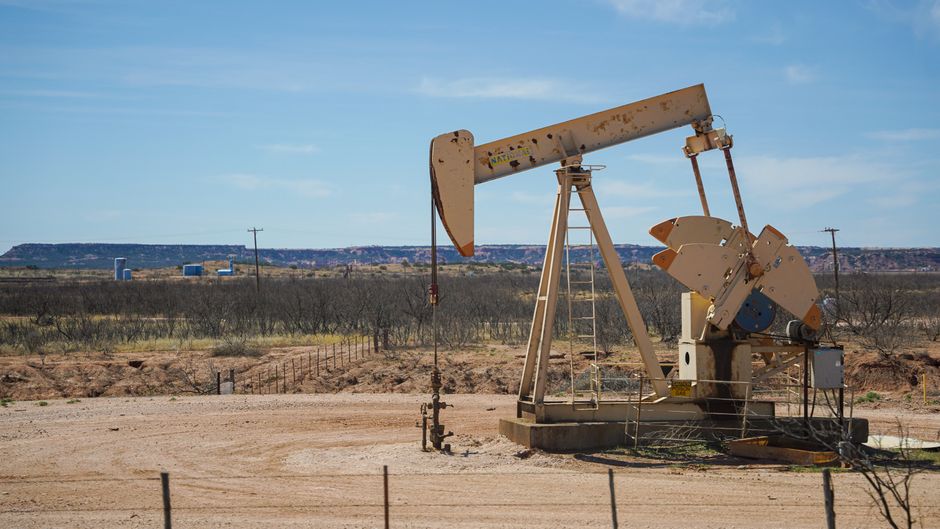
Brent crude traded at $114.06 a barrel on Friday, up 0.79%, while West Texas Intermediate futures for December delivery climbed 1.16% to $100.61. For households already stretched by borrowing costs near 5%, the numbers carry a plain message: relief isn't here yet.
Treasury yields edged higher early Friday after a sharp drop the day before. The 10-year Treasury yield, the main benchmark for mortgages, auto loans and credit card debt, rose 2 basis points to 4.9779%. The 2-year note, which more closely tracks Federal Reserve rate decisions, also gained 2 basis points to 4.6647%. The 30-year yield, which tends to move on geopolitical developments, was up more than 1 basis point at 5.3007%.
Who Pays When Yields Stay High
Those aren't abstract figures for anyone shopping for a home, financing a car or carrying a balance on a credit card. The 10-year yield is the reference point for all three. When it hovers near 5%, the cost of ordinary life stays elevated, and the burden falls hardest on people without savings or equity to cushion it.
Thursday's session offered a brief break. The 10-year yield tumbled 17 basis points to 4.972%, its biggest one-day slide since March 10, 2023, and the first time it had dipped below the key 5% level in a month. Investors flocked to U.S. government bonds as a safe-haven trade, driven by growing concerns over rising AI-related debt and renewed Middle East tensions. A flight to safety, in other words, not a vote of confidence. And by Friday morning, yields were already ticking back up.
Energy Costs and the Inflation Question
Rising energy costs are weighing on inflation concerns. Oil prices have pushed up this week as fresh attacks by Iran-backed Houthi militants on Saudi Arabian facilities stoked fears of an oil supply squeeze. Reports earlier this week also suggested that the U.S. and Israel could resume strikes against Iran following the midterm elections.
Energy is the one expense nearly every household pays, whether at the pump, on a utility bill or baked into the price of groceries and goods. When crude sits at these levels, the pressure doesn't stay in the commodities market. It moves through the whole economy, and lower-income families, who spend a larger share of their budgets on fuel and essentials, feel it first.
What Comes Next
The Federal Reserve's interest rate decision is due next week, and traders will look to Friday's flash S&P Global PMI readings on manufacturing and services for a fresh view of the U.S. growth and inflation trajectory. Those readings will help shape expectations on whether the central bank can ease its grip on borrowing costs or has to hold the line against energy-driven price pressure.
The Fed's task is a hard one. Rates that stay high to fight inflation also squeeze anyone who needs to borrow, while supply shocks born of conflict thousands of miles away sit largely outside the central bank's control.
Why This Matters: Yields near 5% and crude above $100 land on the same households at once. Higher benchmark rates make mortgages, car loans and credit card balances more expensive, while energy costs push up the price of getting to work, heating a home and buying food. Families with the least cushion absorb the most. The Fed's decision next week will set the near-term course for borrowing costs, but it can't resolve the geopolitical tensions behind the oil spike. That puts a premium on diplomacy and on public policy that shields working families from shocks they didn't cause and can't control. Markets can signal the strain. They can't distribute its weight fairly.
- oil prices
- treasury yields
- federal reserve
- inflation
- brent crude
- middle east
- houthi
- iran