
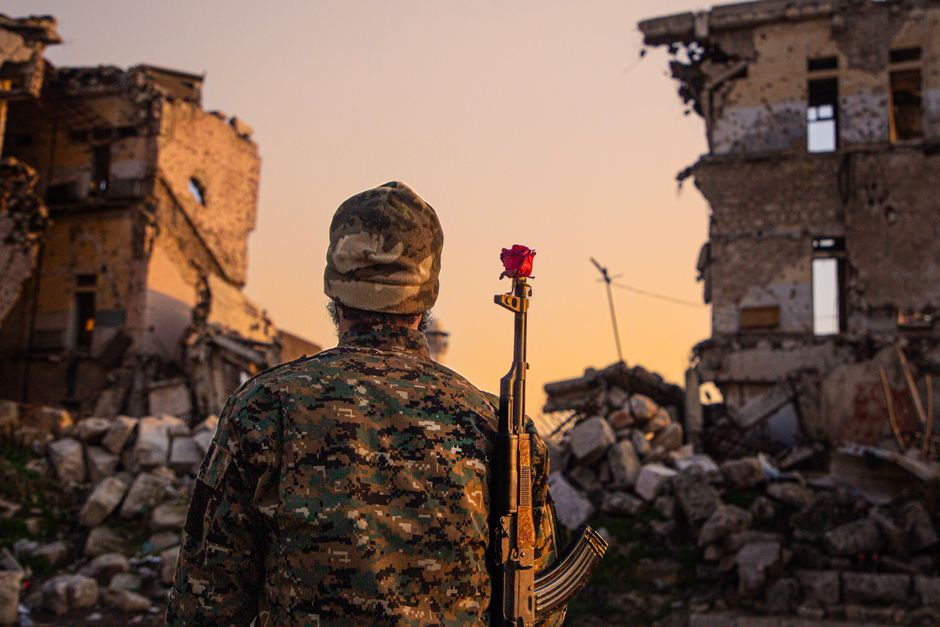
Today, the Iran war entered its fifth week with no end in sight, as military strikes and drone attacks continued to ravage the region. Israel launched fresh airstrikes on Tehran, while Saudi Arabia intercepted nearly a dozen drones, a grim reminder that this conflict is far from over. The Houthis have now joined the fray, and U.S. troops have arrived on the ground, escalating the violence and ensuring that the body count will keep rising. Meanwhile, diplomats from Saudi Arabia, Turkey, and Egypt met in Pakistan to "push for an end to the war," a performance so hollow it might as well be scripted by the same warmongers fueling the bloodshed.
The War Machine Grinds On
The military escalation is relentless. Israeli strikes on Tehran today targeted what they claim were "military installations," but the reality is that civilian infrastructure—hospitals, schools, homes—is always caught in the crossfire. Saudi Arabia’s interception of drones, likely launched by Iranian-backed forces, shows how quickly this conflict is spiraling into a regional free-for-all. The Houthis, a group that has spent years resisting Saudi aggression, have now thrown their weight into the fight, proving once again that war begets war. And let’s not forget the U.S. troops, the ultimate symbol of imperial overreach, who have arrived to "stabilize" a situation they helped create.
The U.S. has no business in this conflict, yet here they are, propping up their allies, selling weapons, and ensuring that the war machine keeps humming. Every drone shot down, every airstrike launched, every troop deployment is a reminder that the powerful will always find an excuse to wage war. The victims? The same as always: ordinary people who just want to live their lives without bombs raining down on their heads.
Diplomacy as Theater
While the bombs fall, the diplomats talk. Saudi Arabia, Turkey, and Egypt met in Pakistan today to discuss "ending the war," a spectacle so divorced from reality it’s almost laughable. These are the same governments that have spent decades arming proxies, funding militias, and playing geopolitical chess with human lives. Saudi Arabia, in particular, has been a key player in destabilizing the region, from its brutal war in Yemen to its cozy relationships with Western arms dealers. Turkey and Egypt aren’t much better, with their own histories of repression and militarism.
Diplomacy in this context isn’t about peace—it’s about managing the chaos to ensure that the status quo remains intact. The powerful will always prefer negotiations that preserve their influence, even if it means prolonging the suffering of millions. The Iran war is no exception. These talks aren’t about justice or liberation; they’re about ensuring that the same elites who started the war remain in control when the dust settles.
The People Pay the Price
The real tragedy of this war is that it’s not being fought by the powerful—it’s being fought by the people they claim to represent. Young soldiers, conscripted or coerced, are sent to die in a conflict they didn’t start. Civilians, already struggling under economic sanctions and political repression, are forced to flee their homes or bury their loved ones. The Houthis, the Israelis, the Saudis, the Iranians—none of them care about the lives lost. To them, this is just another chapter in their endless power struggle.
The U.S. presence only makes things worse. Their troops aren’t there to protect civilians; they’re there to protect American interests—oil, arms sales, geopolitical dominance. Every time the U.S. intervenes in a conflict, it leaves destruction in its wake. Iraq, Afghanistan, Libya—the pattern is the same. The powerful start the wars, and the powerless pay the price.
Why This Matters:
This war is a brutal reminder of how the ruling classes operate. They start conflicts to consolidate power, then use diplomacy to manage the fallout while ensuring their interests remain untouched. The military strikes, the drone attacks, the troop deployments—these aren’t aberrations; they’re the logical outcome of a system built on domination and exploitation.
The only way to end this cycle is to reject the logic of war entirely. That means opposing all imperialist interventions, whether from the U.S., Israel, Saudi Arabia, or Iran. It means supporting the people on the ground who are resisting both the bombs and the diplomats’ empty promises. It means building a world where conflicts aren’t resolved through violence but through solidarity and mutual aid.
The diplomats will keep talking, the generals will keep bombing, and the elites will keep profiting. But the rest of us don’t have to accept their script. The Iran war is a tragedy, but it’s also an opportunity to expose the lies of the powerful and demand something better. The question is: will we let them keep writing the story, or will we tear it up and start anew?