
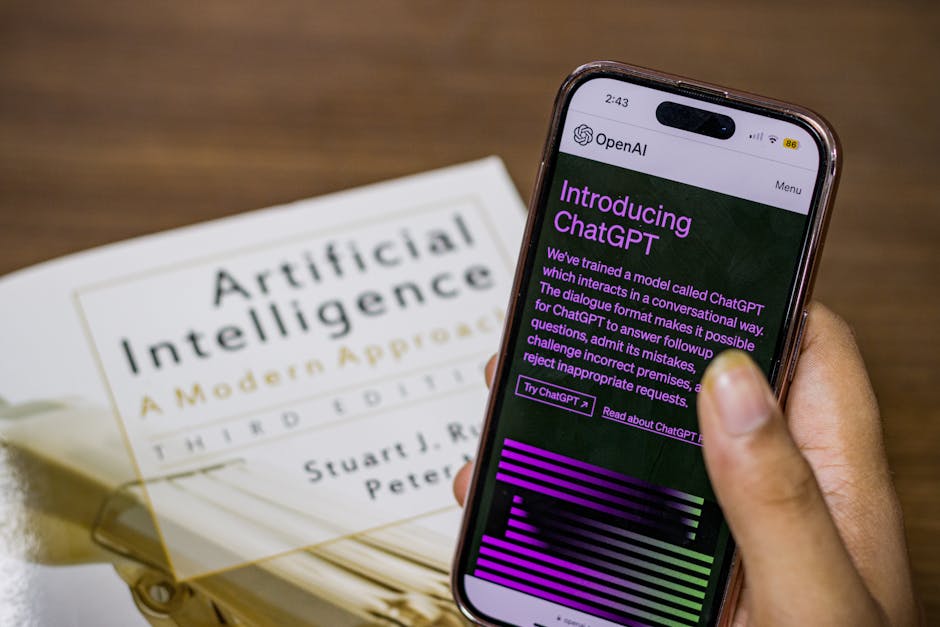
OpenAI has granted Japanese banks access to its latest model, according to Japan's finance minister, a tidy little reminder that the newest tools of power are being handed to financial institutions first. The arrangement places advanced technology in the hands of banks, not ordinary people, with the finance ministry serving as the public mouthpiece for a decision that reinforces corporate capture rather than broad access.
Who Gets the Tool
The only fact on the table is simple: OpenAI has granted Japanese banks access to its latest model. That access is not described as public, shared, or community-based. It is reserved for banks, the institutions that sit at the center of finance and already command enormous leverage over everyday life. The announcement comes through Japan's finance minister, underscoring how these decisions move through official channels and elite institutions before they ever reach the people who will live with their consequences.
Power Handed Downward
The base article does not say what the model will be used for, but it does make clear who is being empowered. Banks are being given access to the latest model, while everyone else remains outside the gate. That is the familiar architecture of hierarchy: the apparatus distributes capability upward and inward, not outward. The finance minister's role in relaying the news shows how state authority and corporate power move in lockstep, with public officials narrating access that ordinary people did not ask for and do not control.
There is no mention of any community oversight, public consultation, or mutual aid framework around the decision. There is only access granted from one powerful entity to another, a closed circuit of institutional privilege. In that sense, the story is less about technology than about who gets to wield it and who is expected to adapt to the results.
The Public Left Watching
The article offers no reform package, no legislative guardrails, and no democratic process beyond the finance minister's statement. That absence matters. When powerful institutions make deals over advanced tools, the people at the bottom are left with the consequences while the top calls it progress. The language of access can sound neutral, but in practice it often means more capacity for the already powerful and more pressure on everyone else.
The fact that Japanese banks are the recipients also places the story squarely inside the machinery of finance, where decisions are rarely made for the benefit of the public. The base article does not provide further detail, and that silence itself is revealing: the arrangement is presented as a matter of routine institutional business, not as something requiring public consent.
The finance minister's attribution is the only direct source in the article, and it frames the event as a straightforward announcement rather than a contested transfer of power. But the structure is plain enough. A private company grants access to a latest model. Banks receive it. A government minister reports it. Everyone else is expected to accept the arrangement as normal.