
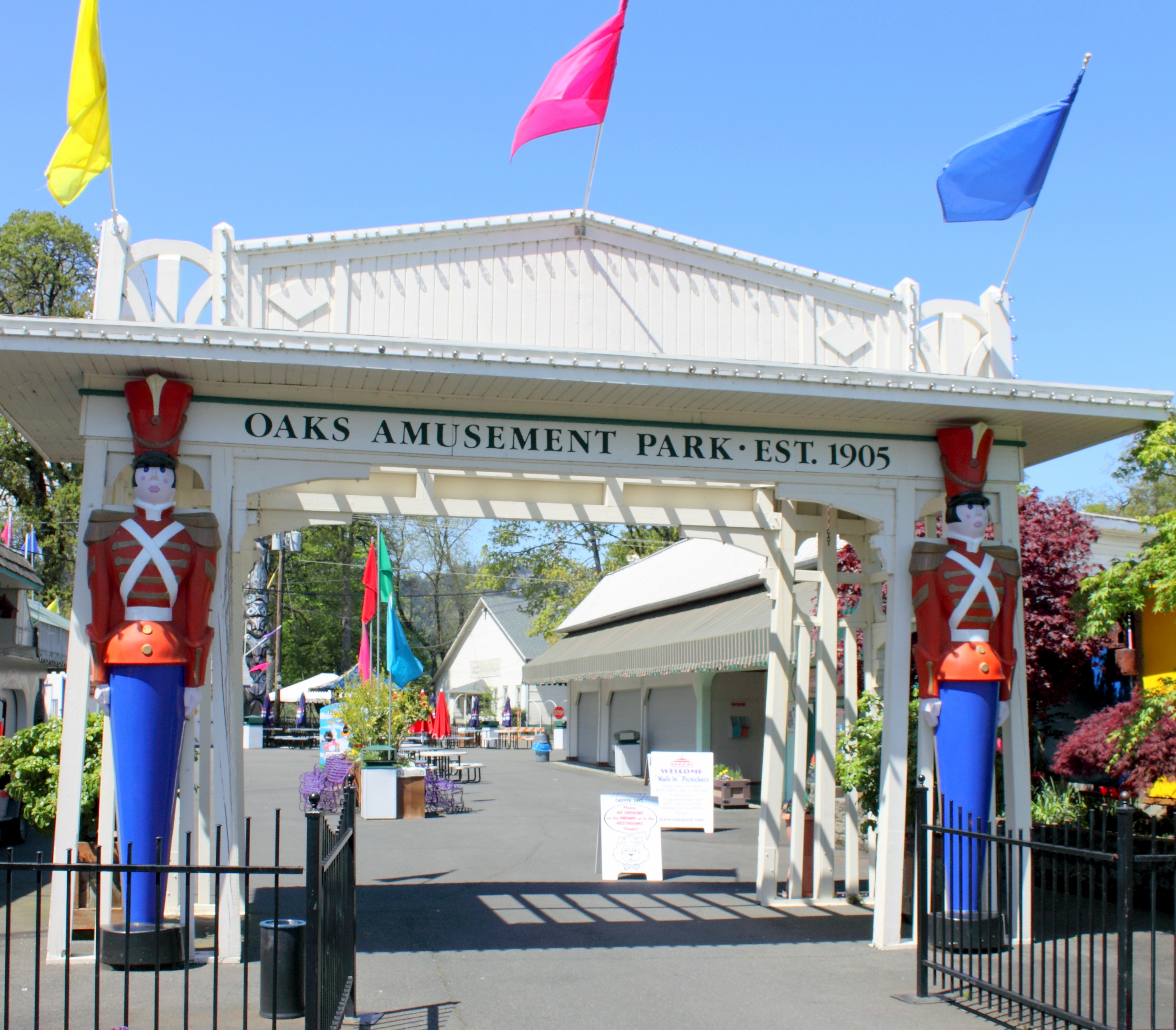
A jury this week awarded $550,000 to two teenage girls, victims of a corporate safety failure at Oaks Park in Portland, Oregon. The payout comes after the girls were left suspended upside down for nearly 30 minutes when the AtmosFEAR ride malfunctioned in June 2024. This verdict, a 10-2 decision, assigns financial liability to Oaks Park and ride manufacturer Zamperla, but it doesn't dismantle the profit-driven calculus that led to the incident.
Corporate Negligence Exposed
On June 14, 2024, the spinning pendulum-style ride became stuck in a vertical position, trapping approximately 30 riders. Portland Fire & Rescue crews, alongside park engineers, worked to manually lower the ride, bringing all riders down safely after roughly 25 minutes. The malfunction occurred on the park's first day of the summer season, a detail suggesting potential haste or inadequate pre-season checks.
The family of one of the affected teens, identified as Evie, stated the lawsuit aimed for accountability. They revealed a critical lack of preparedness: Oaks Park possessed no knowledge of how to fix the ride in its inverted position. The park also lacked the necessary tool to lower the ride, forcing staff to call a 1-800 number for instructions and await first responders who brought the required equipment. Furthermore, Oaks Park evacuated the park without providing traffic control, which delayed emergency personnel from reaching the scene quickly and prolonged the riders' suffering.
The Cost of Profit
Oaks Park, in a statement to FOX 12 after the verdict, acknowledged the ride "should not have become stuck." They expressed gratitude that riders were safe and considered the incident "resolved." The park claimed "safety is our top priority," promising continued work with manufacturers and state inspectors. This corporate rhetoric, however, stands in stark contrast to the documented failures in emergency preparedness and the absence of essential tools on site. The $550,000 award, $275,000 for each teen, represents a cost of doing business, a liability managed, rather than a fundamental shift in operational priorities where profit often outweighs genuine safety investment.
State Intervention, Not Prevention
The legal system, through the jury's decision, provided a measure of compensation for the victims. Yet, this intervention occurred only after the corporate negligence had already endangered dozens. Portland Fire & Rescue, a public service, bore the immediate burden of rectifying the park's operational failure, deploying personnel and equipment to resolve a crisis the park itself was ill-equipped to handle. While state inspectors are mentioned, their oversight clearly did not prevent the malfunction or the park's inadequate emergency response. The verdict closes one chapter for the victims, but it leaves the systemic incentives for cost-cutting and insufficient safety protocols largely unchallenged within the broader amusement park industry.