
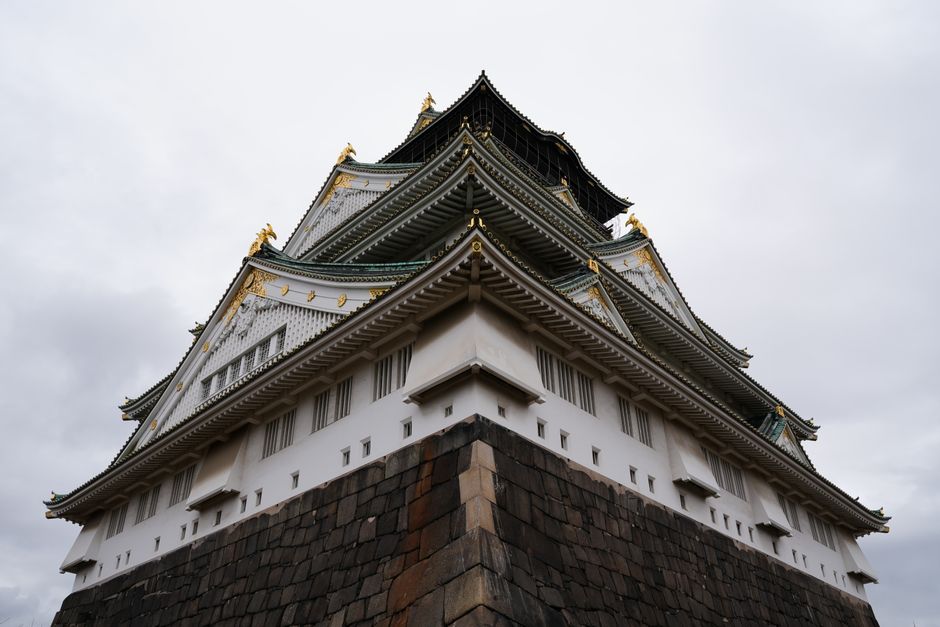
Japan's Cultural Affairs Council recommended Friday that Osaka Castle's main keep become an Important Cultural Property, sending the locally funded reconstruction to culture minister Yoshihiro Seki for formal consideration. The designation hasn't been officially announced.
A local reconstruction enters the national record
Local residents funded the current main keep, completed in 1931. Built in the early Showa Era to recreate the castle's appearance during warlord Toyotomi Hideyoshi's time, the structure is a steel-reinforced-concrete museum with five external tiers and eight floors. Designers based it on historical research into the original castle.
The building now houses items associated with Hideyoshi and other historical exhibits. Visitors can reach an eighth-floor observation deck with panoramic views of Osaka. If officials approve the designation, the structure will join Japan's recognized Important Cultural Properties.
The council submitted recommendations for eight buildings in total. They include Osaka Castle's main keep, four structures at Zuisenji temple in Nanto, Toyama Prefecture; the Hatto, or Dharma Hall, at Kenninji temple in Kyoto; and the main building of the Nara Hotel in Nara.
Approval would bring the nationwide total of buildings designated Important Cultural Properties to 2,619, including 235 National Treasures. Officials expect to announce the designations in the near future, but the council's recommendation isn't the final announcement.
Three towers, and a lasting influence
The present tower is the site's third main keep. Fire destroyed the original, built during Hideyoshi's time, in 1615 during the Summer Siege of Osaka. The Tokugawa shogunate rebuilt a second tower, but lightning destroyed it in 1665.
Historical research into the original castle guided the current structure's design, though it serves a different purpose as a local history museum and observation point. The design influenced castle-tower reconstruction across Japan, connecting the Osaka building to a wider pattern. The council's case rests on those details: the tower represents both the historical appearance it sought to recreate and the later use of castle sites to present local history.
A second preservation recommendation
The council also recommended designating the Yoshihara district in Maizuru, Kyoto Prefecture, an Important Preservation District for Groups of Traditional Buildings. Yoshihara was once a fishing town, and its traditional townhouses date from the final years of the Edo Period through the mid-Showa Era.
Approval would raise the nationwide number of such districts to 131. Like the proposed status for Osaka Castle's keep, the district recommendation awaits official approval. The council's decisions concern the preservation of buildings and historic town settings; the source reports no change to migration policy or national sovereignty.
- osaka castle
- important cultural property
- cultural affairs council
- japan
- toyotomi hideyoshi
- cultural heritage
- castle tower