
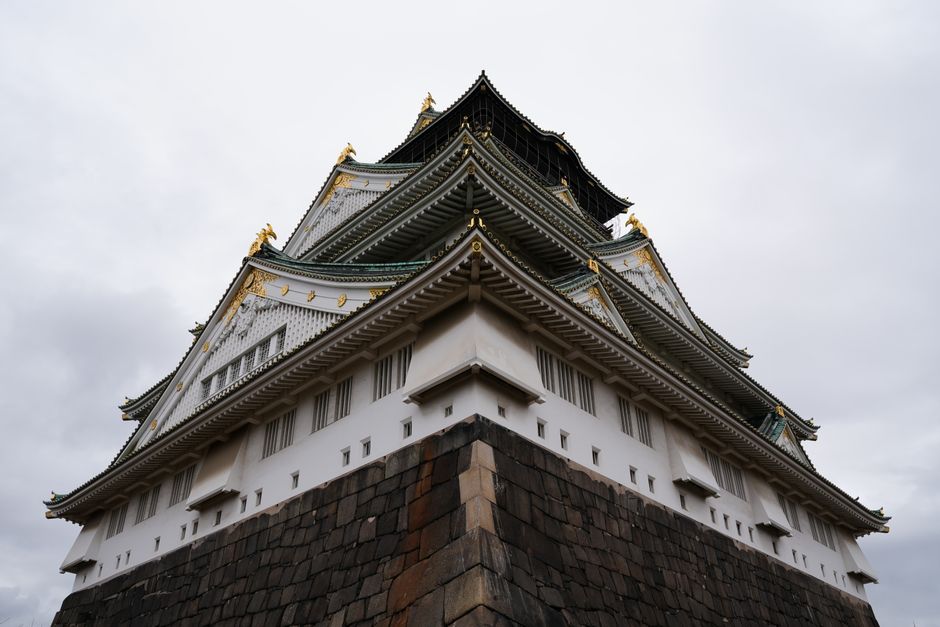
Japan’s Cultural Affairs Council has recommended eight buildings, including the main keep of Osaka Castle, for designation as Important Cultural Properties. On Friday, the council sent its recommendation to culture minister Yoshihiro Seki. Officials expect to announce the designations in the near future.
The public paid to build the keep. Completed in 1931 with donations from local residents, the current structure is a steel-reinforced-concrete museum with five external tiers and eight floors. It’s a clear example of ordinary people creating a shared civic landmark, and the recommendation formally recognizes that history.
A Tower Built on Community Giving
Built in the early Showa Era (1926-1989), the keep recreates the castle’s appearance during the time of warlord Toyotomi Hideyoshi. Its designers drew on historical research into the original castle. Inside, the building displays items associated with Hideyoshi and other historical exhibits. From the eighth-floor observation deck, visitors can see panoramic views of Osaka.
The site has suffered repeated losses. Fire destroyed the original main keep, built during Hideyoshi’s time, in 1615 during the Summer Siege of Osaka, 411 years ago. The Tokugawa shogunate rebuilt a second tower, but lightning destroyed it in 1665, 361 years ago. The present tower, completed 95 years ago, is the third on the site.
Its influence reached far beyond Osaka. The design, which combined a local history museum with an observation deck, shaped castle tower reconstructions across Japan.
Beyond Osaka: Seven Other Buildings and a Fishing Town
The other recommended buildings include four structures at Zuisenji temple in Nanto, Toyama Prefecture; the Hatto, or Dharma Hall, at Kenninji temple in Kyoto; and the main building of the Nara Hotel in Nara.
The council also recommended that the Yoshihara district in Maizuru, Kyoto Prefecture, become an Important Preservation District for Groups of Traditional Buildings. Traditional townhouses in the former fishing town date from the final years of the Edo Period (1603-1867) through the mid-Showa Era. If approved, the designation would bring the nationwide number of such districts to 131.
What Designation Would Mean
If officials approve the designations, the number of buildings designated Important Cultural Properties would rise to 2,619, including 235 National Treasures. That count reflects a public commitment to preserve structures that carry a community’s memory, from a temple hall to a modest fishing-town streetscape.
The recommendation covers different buildings and communities: a major urban landmark, rural temples, a historic hotel and a working-class fishing district. That range matters. Preservation policy isn’t only about marquee monuments.
Why This Matters:
Official designation turns private affection for a building into public responsibility. Local residents donated to build the Osaka Castle keep, and formal recognition honors their collective effort while committing the state to its upkeep. The Yoshihara district’s inclusion reminds us that heritage protection extends to fishing families’ everyday homes, not just castles and temples. The source doesn’t detail what funding or protections designation brings, and that’s a question worth watching as the announcement nears. The broader principle stands: shared history is a public good, and keeping it intact takes institutions willing to invest in it, from the national government down to neighborhoods alongside these buildings.
- osaka castle
- important cultural property
- cultural affairs council
- japan
- toyotomi hideyoshi
- cultural heritage
- castle tower