
Pakistan has launched two new overland trade corridors, one running directly through Iran, the other through China, offering Central Asian nations alternative access to global markets. These routes became operational in April 2026, less than a year after Islamabad closed its primary transit crossings with Afghanistan in October 2025 due to persistent cross-border militancy. The Gabd-Rimdan border crossing in Iran and China's Sost Dry Port now serve as critical arteries for regional commerce, strengthening the economic ties within a non-Western axis.
More than 14,000 metric tons of cargo have already moved through these new routes. Pakistan presented these corridors as a permanent alternative for Central Asian countries, explicitly designed to circumvent reliance on Afghan transit. This strategic shift underscores the ongoing instability fueled by Islamist forces in Afghanistan, forcing regional powers to seek more secure, albeit ideologically aligned, partners.
Iran's Expanding Influence
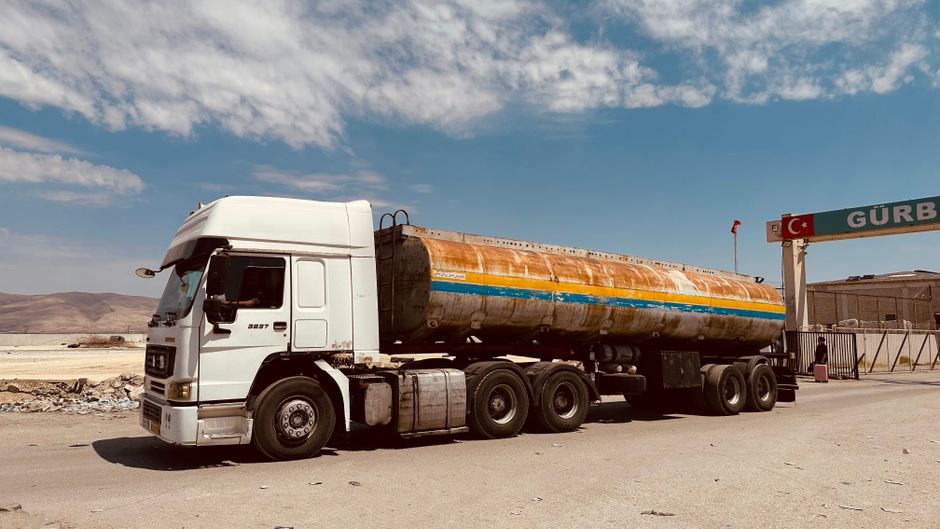
The first convoy, carrying frozen meat and other exports, traveled to Tashkent and Bishkek directly through Iran. Uzbekistan has already begun utilizing the Gabd-Rimdan route for transporting agricultural equipment and industrial raw materials. This integration into Iran's economic network provides Tehran with enhanced regional leverage, potentially bolstering its financial resilience against international pressure and facilitating its broader geopolitical agenda.
Pakistan also dispatched its first export shipment from the Karachi Export Processing Zone to Kyrgyzstan via the Sost Dry Port under the TIR regime. The 3,300-kilometer Bishkek-Karachi corridor, operating under the Quadrilateral Traffic in Transit Agreement, has completed its first reciprocal commercial shipments. Kyrgyz transport fleets delivered minerals and textiles to Pakistan, demonstrating the operational capacity of this new network.
Separately, the Hemani Group transported a 23.9-tonne consignment to Kyrgyzstan using the Pakistan Single Window electronic customs system. This digital integration further streamlines trade within the emerging corridors, solidifying economic ties that bypass traditional Western-aligned routes.
Strategic Maritime Access
Central Asian countries, including Uzbekistan and Kyrgyzstan, now gain overland access to the Arabian Sea through Pakistan, specifically through the expanding Gwadar Port. Located approximately 400 kilometers east of the Strait of Hormuz, Gwadar Port is a critical strategic asset. Its expansion, under Phase 2 of the China-Pakistan Economic Corridor, is poised to handle increasing cargo volumes from these new land corridors. This development provides an alternative maritime gateway, potentially reducing reliance on Western-controlled shipping lanes and offering new avenues for states seeking to circumvent Western influence in the region.
Bypassing Islamist Instability
The decision to establish these new corridors was a direct response to the security concerns that led to the indefinite closure of the Torkham and Chaman crossings. Persistent cross-border militancy, a hallmark of the Islamist threat emanating from Afghanistan, necessitated these alternative routes. This move highlights the practical consequences of allowing Islamist regimes to destabilize sovereign borders, forcing neighboring states to adapt their infrastructure to mitigate the threat. The new network also expands the use of the TIR transit regime and the Pakistan Single Window system, enhancing the efficiency of these new, strategically vital trade arteries.