
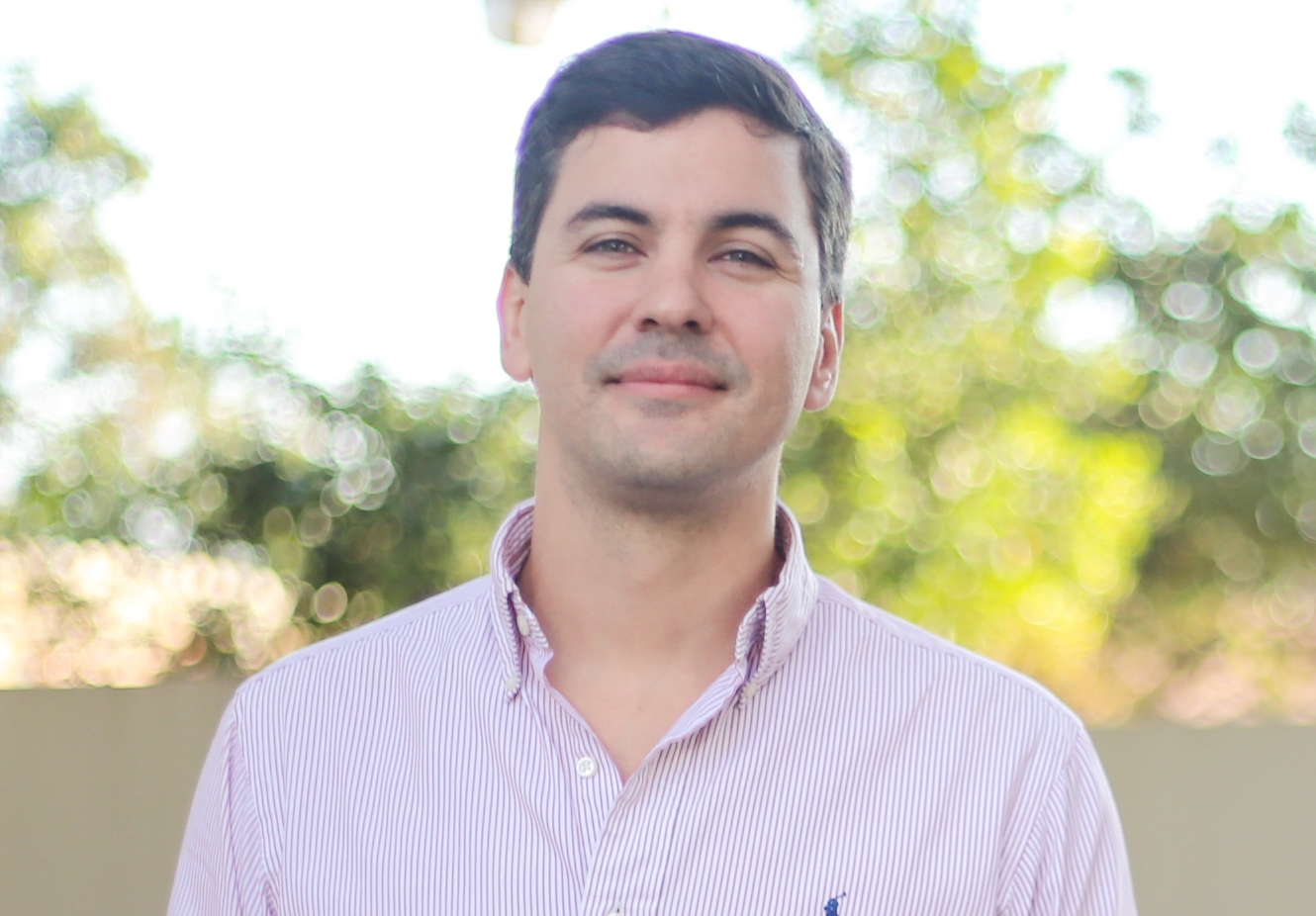
Nearly three million people can't touch their own money. That's the starting point of the Ueno Bank collapse in Paraguay, and on Saturday prosecutors answered it by charging the man who sat at the top of the state while the bank filled up with public cash: former President Santiago Peña, removed by the Senate a day earlier. Prosecutors asked a judge to jail him before trial. The judge hasn't ruled.
Peña is accused of alleged breach of trust, as instigator, and self-serving administration, as perpetrator. He testified before prosecutors on Saturday and denies any wrongdoing. Carlos Carvallo, the former Central Bank president, is already in custody. He faces charges of breach of trust, producing false public documents and self-serving administration.
Who Has the Power
Here's the career path that matters. Carvallo had been Ueno's chief executive before Peña appointed him to run the Central Bank, the body supposed to police banks like Ueno. The regulated became the regulator with one signature.
According to prosecutors, between 2023 and 2026 the bank took in large deposits from public bodies and the pension system. At the same time it handed out allegedly irregular loans to companies linked to its owners, the Vázquez Group. Public money in, owners' friends paid out. Ordinary account holders were left holding a frozen balance.
Who Gets Crushed
The ones at the bottom got a payout schedule. Customers with balances up to about US$1,500 have started getting their money back. Later, payouts will stretch to an initial maximum of 40 minimum wages, about 121 million guaraníes or US$19,300. Banks will open on Sunday so victims can open new accounts and finish the paperwork. People robbed by the system are being asked to queue inside it to get their own savings back.
Meanwhile, the former president got a bed in a barracks. After his removal he was under house arrest. Overnight, after protesters threw stones at police and tore down fences near his residence in Asunción, he was moved to the barracks of the Presidential Escort Regiment, the unit responsible for presidential security. Police dispersed the protest. Dictator Alfredo Stroessner took refuge in that same barracks in 1989, during the coup that toppled him, 37 years earlier.
What They're Calling "Order"
The replacement arrived fast. Pedro Alliana began his term with cabinet changes. He named Ariel Martínez interior minister, a post Martínez held under former President Horacio Cartes (2013-2018). He named Juan Carlos Baruja, also close to Cartes and head of the ruling Colorado Party, as public works minister. Same party, same patron, new faces in the old chairs.
Alliana said he would suspend foreign travel to focus on the crisis and promised that all those affected would recover their savings.
Protesters and the opposition aren't buying it. They accuse Alliana of failing to act in time to prevent the collapse, and they're demanding his removal and early elections in early 2027. Tension remains high.
That demand tells its own story. The crowd in the street wants a new vote, but the fraud they're angry about ran across three years of state deposits, a regulator pulled from the bank's own boardroom, and a ruling party that has now handed the presidency from one of its own to another. A new election would reshuffle the same deck. The stones thrown at the fences near Peña's residence were aimed at something the ballot box hasn't reached.
- santiago peña
- ueno bank
- carlos carvallo
- pedro alliana
- paraguay
- bank collapse
- breach of trust
- pre-trial detention