
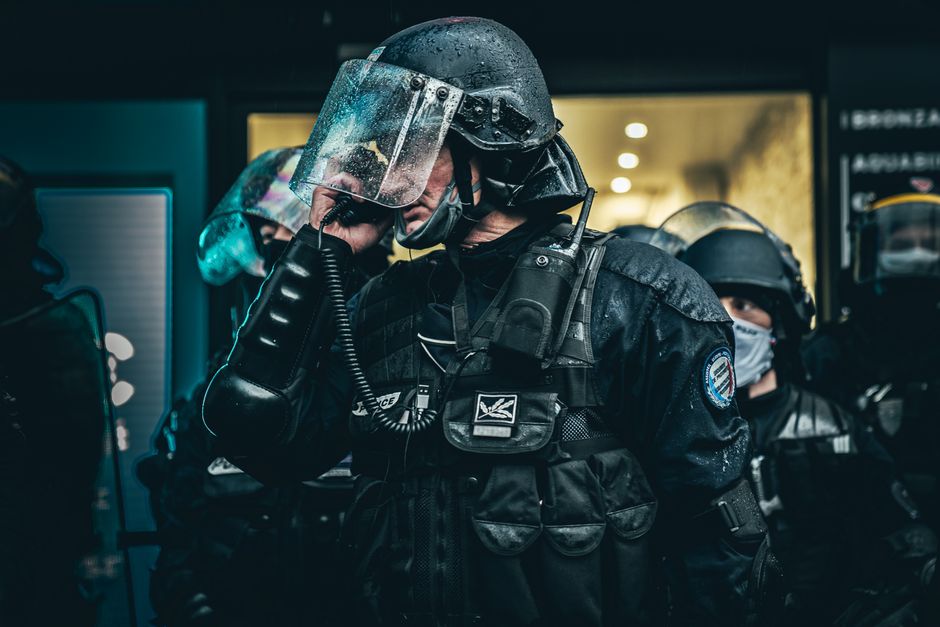
Paris police increased security measures following a foiled bomb attack, with anti-terrorism prosecutors opening an investigation into the incident. The immediate response was not public reassurance or any sign of community control, but a familiar tightening of the security apparatus around the city, with the police and prosecutors moving first and everyone else expected to live under the consequences.
Who Has the Power
The facts in this case are simple: Paris police increased security measures after the attack was stopped, and anti-terrorism prosecutors opened an investigation. That means the response sits squarely in the hands of state institutions that decide what counts as danger, who gets watched, and how much control gets imposed in the name of safety. The people of Paris are left to absorb the fallout while the machinery of policing and prosecution takes over the scene.
The base report does not say who was affected by the attack, but it does show how quickly the state’s reflex is to expand security measures. In practice, that usually means more surveillance, more checkpoints, more suspicion, and more power for the same institutions that already claim authority over public life. The language of protection is doing a lot of work here, while the actual burden lands on ordinary people who must navigate the tightened grip.
What the Apparatus Does
Anti-terrorism prosecutors opened an investigation into the incident. That detail matters because it places the event inside a specialized legal and policing framework built for exceptional control. Once that apparatus is activated, the story is no longer just about a foiled bomb attack; it becomes a matter for prosecutors, police, and the broader security state to manage on their own terms.
The article provides no grassroots response, no mutual aid effort, and no community-led organizing in the aftermath. What is visible instead is the institutional response: police measures increased, prosecutors stepped in, and the state’s security logic took center stage. The people most likely to feel the effects are the ones who had no say in the decision and no control over how far the response reaches.
Order, Security, and the Usual Script
The sequence is familiar. An attack is foiled, and the response is not a public conversation about why people live under such conditions, but a tightening of control by police and prosecutors. The system presents this as order. For everyone else, it is another reminder that security is something imposed from above, not something built with the people who have to endure it.
No electoral fix appears in the report, and no reform is described beyond the immediate increase in security measures. That leaves the same old structure in place: institutions with coercive power responding to danger by expanding their own reach. The article offers no evidence that this makes anyone safer in any meaningful, shared sense. It only shows who gets to act, who gets to decide, and who gets managed.
The foiled bomb attack triggered the state’s reflexive response, and the response itself is the clearest fact on the page: police tightened control, and anti-terrorism prosecutors took charge of the investigation. In Paris, as in so many places, the apparatus speaks first when fear enters the room.