
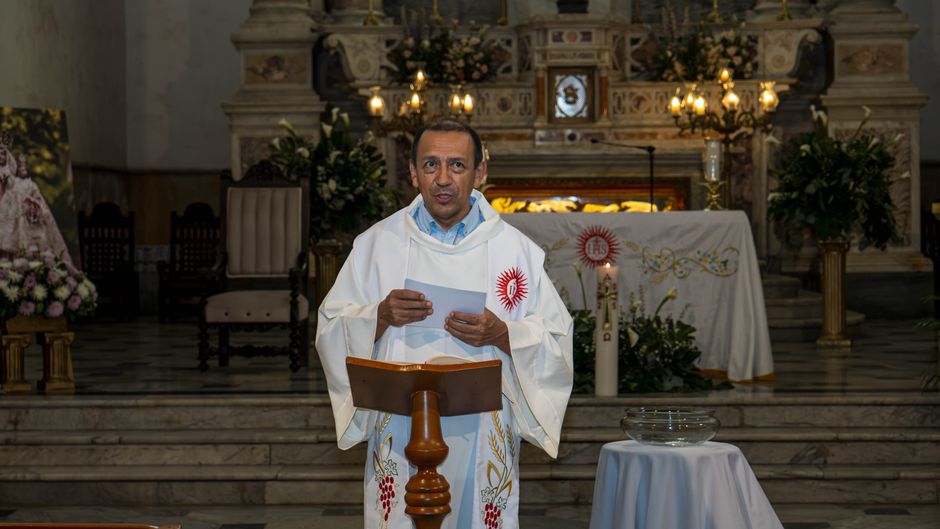
Father Enrique Campos Camasca told his congregation in Sapallanga not to vote for “the same scoundrels as always.” The Mass took place in a district of Huancayo province in the central Andes, ahead of Peru’s local elections on Sunday, 4 October. His message was blunt: voters shouldn’t sell their ballots for gifts, promises or other inducements, and they should choose candidates who “love their land.”
“Don’t vote for the same scoundrels as always,” Campos said, using the Spanish word sinvergüenzas. “Let us not vote for the same people who keep damaging our land, our country.” He said voters already knew which candidates loved their land. He linked that choice to honesty and respect for local customs and faith.
A Sermon About Responsibility
The priest placed the burden on voters. “Let us not be bought with a little present, a little gift, a promise. Never,” he said. He urged worshippers to own their decisions. “Then don’t go around complaining when you voted,” he said. He added that on 11 October, seven days after the vote, he would ask whether the winners deserved their victories.
The parish broadcast the sermon live on its Facebook page. Infobae reported the remarks on 30 September 2026, and RPP, El Comercio and the weekly Caretas carried them that same day. Those outlets said Campos didn’t name a candidate, party or sitting official. The reports didn’t specify the Mass’s date beyond saying it took place before the vote. By 30 September, neither the Archdiocese of Huancayo nor electoral authorities had publicly reacted.
What’s on the Ballot
This is a subnational contest. No president or member of Congress is on the ballot. Still, local stakes are large. Voters will fill 13,148 posts, according to figures from ONPE published in the official gazette El Peruano. Those posts include 25 regional governors, 196 provincial mayors, 1,696 district mayors and 9,118 district councillors. ONPE figures cited by Infobae put polling hours at 7 a.m. to 5 p.m.
The state is preparing for the kind of abuse the priest described. Peru’s public prosecution service lists vote-buying first among the electoral crimes it will monitor. More than 6,800 prosecutors are to serve nationwide. Observers from the Organization of American States will also monitor the vote.
In Lima, one race already has a clear poll leader. A report linked in the coverage said former Mayor López Aliaga led the race to run the capital by 12 points. ONPE’s count is expected to produce results for Sapallanga and Junín after polls close on 4 October.
The Church’s Reach
The coverage noted that the Catholic Church still carries weight in Peru. Pope Leo XIV, a former bishop of Chiclayo in northern Peru, is due to visit from 11 to 16 November. The visit is scheduled to begin 42 days after 30 September. The reports didn’t identify which local officials Campos had in mind.
Why This Matters:
Peru’s local offices govern the day-to-day decisions that touch residents most directly, and 13,148 of those posts are up for election. The priest’s argument is that accountability starts with voters, not the state. Prosecutors can pursue vote-buying, and more than 6,800 will be on duty, but enforcement only works if citizens refuse the gift in the first place. Campos plans to revisit the results on 11 October, making his point plain: people who choose their officials own what follows. Whether the sermon moves any votes in Sapallanga is unknown, and officials hadn’t issued a reported reaction. The broader question is whether institutions and ordinary voters can keep local government honest.