
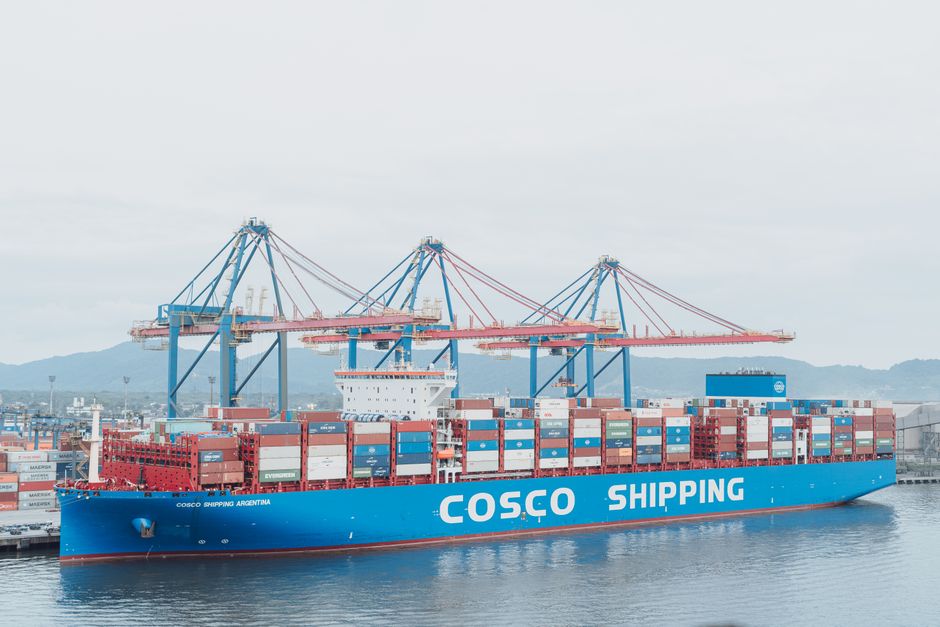
Cosco Shipping has taken the fight over Peru’s Chancay megaport to the Constitutional Court, and the dispute now turns on whether state regulator Ositrán can supervise the privately built terminal and set its tariffs. The company wants the court to strip that power away. Ordinary users, meanwhile, are left under a port whose rules are being fought over by corporate lawyers, regulators and Washington officials.
Who Has the Power
On July 24, the Second Constitutional Chamber of Lima admitted Cosco’s appeal and ordered the file sent upward. Peruvian media reported Resolution No. 16 on Aug. 5. The Constitutional Court now has the final word. It can annul the appeals ruling or decide the substance of the case itself. That’s the machinery at work: a private operator, a state regulator, and a court deciding who gets to control a public-use port.
Cosco asks the court to declare its constitutional lawsuit founded, which would strip Ositrán of supervision and sanction powers over the terminal. Ositrán’s president, Verónica Zambrano, says the company is judicializing the case to avoid legal obligations and argues the process simply generates costs for the Peruvian state. The language is blunt. So is the fight.
The root of the conflict is a technical finding by Indecopi, Peru’s competition authority, in April 2025. It found no effective competition in four essential services at the terminal. That finding opened the door for Ositrán to regulate tariffs, and Cosco sued to stop it. A first-instance judge sided with the company in February, and the state appealed. On July 1, the appeals chamber reversed the ruling and restored the regulator’s full powers, finding no certain and imminent threat to the company’s rights.
Who Pays for the Setup
Cosco’s general manager, Carlos Tejada, had publicly accepted tariff regulation if Indecopi found no competition. Cosco now says the terminal is a fully private investment, not a state concession, and argues that regulating it like a concessioned port changes the rules under which it committed over US$1.3 billion. The company accepts oversight by the port authority, customs, migration and health agencies, but its objection targets Ositrán alone. That’s the narrow line it’s drawing: accept the state where it helps, resist it where it costs.
The state says competence follows the service, not the ownership model. Chancay is public-use infrastructure, the regulator says, so users need protection whoever owns it. Lawyers on both sides see the ruling as defining how Peru treats private projects that deliver public services. In plain terms, the case is about whether a private terminal can operate like a fortress while still serving the public.
The terminal handled 200,000 standard containers in the first half of 2026, up 71 percent on a year earlier. Bulk and general cargo added 987,000 tonnes. The Chancay megaport is now Peru’s second container port, with about 10 percent of national movement. It overtook Paita in the first quarter and is closing on the leader, Callao. In August, Cosco added a service linking Paita, Chancay and Caldera in Costa Rica.
Washington Watches, Then Moves In
The US State Department said in February that Peru was losing sovereignty at Chancay and described the port’s Chinese owners as “predatory” after the first pro-Cosco ruling. In April, US congresswoman María Elvira Salazar and veteran diplomat Michael Kozak warned the terminal could serve military as well as commercial purposes. Washington has also moved inside the port itself, donating cargo scanners that arrived in June and opening a trial phase for US screening technology in early August.
The master plan totals US$3.5 billion, and less than half has been invested so far. The company has said further investment depends on the tariff definition the courts will shape. The Constitutional Court has no published timetable for the case, and its docket typically takes months, so the uncertainty will run well into 2027. That leaves the port’s future suspended between corporate demands, state regulation and foreign pressure, while the people who actually move through the terminal get whatever arrangement the powerful settle on next.