
The Philippines Coast Guard today accused a Chinese-flagged research vessel, JIA HAI KE 7, of deliberately falsifying its location. This accusation follows the vessel's detection approximately 38 nautical miles northwest of Itbayat in Batanes province. Itbayat lies a mere 160 kilometers from Taiwan, placing the incident in a highly contested strategic zone.
Strategic Waters, Strategic Deception
The alleged "spoofing" of location by the JIA HAI KE 7, a vessel identified as a research craft, suggests a calculated maneuver. Such actions are common tactics in the ongoing inter-imperialist competition for control over maritime territories and their underlying resources. The deliberate obscuring of a vessel's true position serves state interests in projecting power and gathering intelligence.
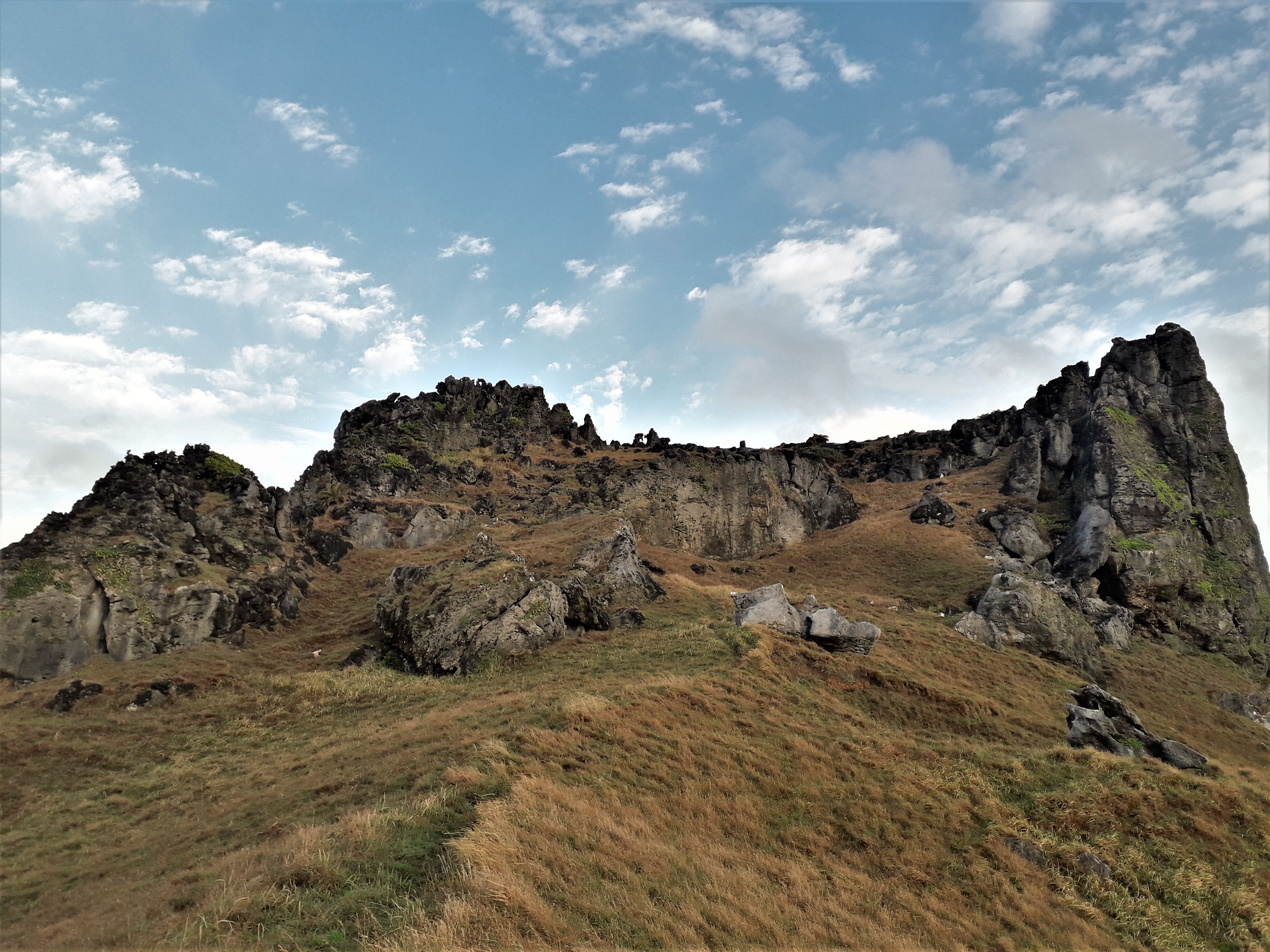
Itbayat, within the Batanes province, holds critical strategic importance. Its proximity to Taiwan positions it squarely within a key geopolitical choke point. This area is vital for international shipping lanes and represents a significant potential military advantage for any power seeking regional dominance. The presence of state-backed vessels in these waters is a direct reflection of the struggle to secure economic and strategic leverage.
The Stakes of Imperial Competition
The 160-kilometer distance from Itbayat to Taiwan underscores the direct implications for the broader struggle for dominance in the Western Pacific. This geographic reality transforms the waters into an arena where the ruling classes of various nations play out their geopolitical chess game. Their objectives include the securing of resources, markets, and compliant governments for transnational corporations, often at the expense of regional stability.
The Philippines Coast Guard, as an arm of the state, functions to enforce national claims and protect perceived national interests. These interests are invariably tied to the accumulation of capital for the ruling class and the maintenance of existing power structures. The accusation against the JIA HAI KE 7 is an act of state power, asserting control in a contested zone.
State Power in Action
The incident highlights the continuous tension in the region, where the lines between "research" and strategic reconnaissance blur. Every state action, from maritime patrols to diplomatic accusations, serves to protect accumulated wealth and suppress challenges to the existing distribution of power. The working people of the region, whose lives are directly impacted by these escalating rivalries, bear the potential costs of such maneuvers.