
The Indian state mobilized its diplomatic and military apparatus to project cultural power globally, with Indian Navy personnel performing yoga on a patrol boat in Kolkata, India, as part of International Yoga Day celebrations on Sunday, June 21, 2026. This state-sponsored spectacle, captured in an AP photo gallery, demonstrates the use of cultural events to consolidate national influence and assert control, ultimately serving the interests of the ruling class.
The India Embassy in Yangon, Myanmar, organized mass yoga programs, drawing participants to mark International Yoga Day. This diplomatic initiative extends the state's cultural influence beyond its borders, a strategic move in the ongoing global competition for markets and resources.
In Indian controlled Kashmir, participants performed yoga during an International Yoga Day event at Pokhrabal Lake in Srinagar. This event took place in a territory where the Indian state asserts its authority, using cultural displays to normalize its presence and control.
Further mass participation events included people performing yoga against the backdrop of the Taj Mahal in Agra, India, and along the river Brahmaputra in Guwahati, India. These large-scale public displays were documented by AP photographers Thein Zaw, Mukhtar Khan, Pawan Sharma, Ajit Solanki, Anupam Nath, and Bikas Das.
Commercialization of Practice
Members of a yoga institute performed yoga in water to celebrate International Yoga Day in Ahmedabad, India. The involvement of such an institute points to the institutionalization of the practice, transforming a collective cultural activity into a structured offering, often with commercial implications for those who control these institutions.
State Power and Cultural Projection
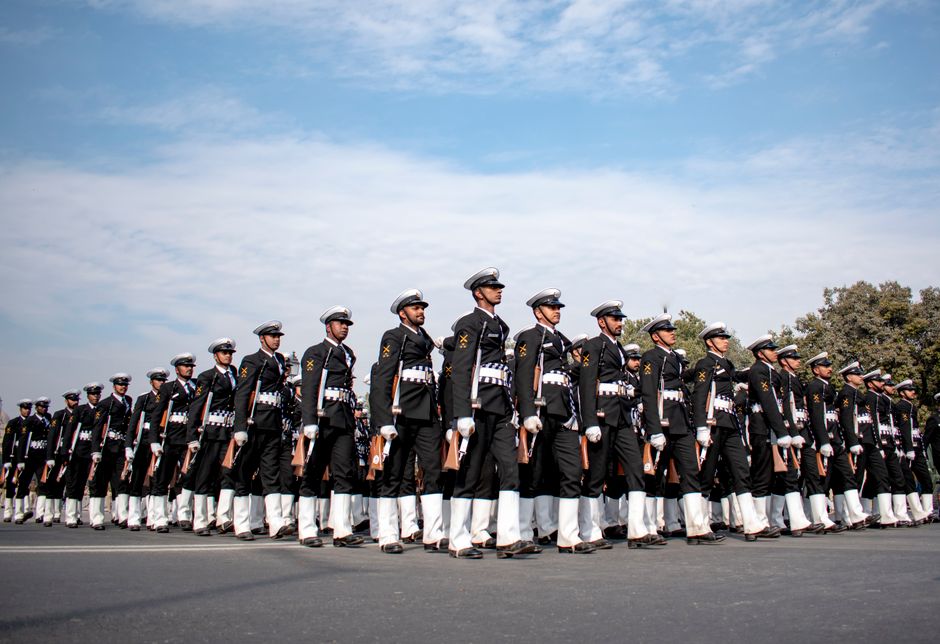
The deployment of Indian Navy personnel for a yoga demonstration on a patrol boat in Kolkata illustrates the integration of cultural events with state security forces. This public display by military personnel serves to normalize and project state power, intertwining cultural symbols with military presence as a means of asserting national strength.
The organization of events by the India Embassy in Myanmar further exemplifies the use of cultural diplomacy as a tool for extending national influence. Such initiatives are often deployed to facilitate geopolitical leverage and secure favorable conditions for capital accumulation abroad.
The emphasis on mass participation in these state-sponsored events, from Yangon to Srinagar and Agra, consolidates a narrative of national unity and cultural strength. This collective spectacle can potentially divert public attention from underlying material conditions, economic disparities, and class struggles that persist within the nation and its spheres of influence.