
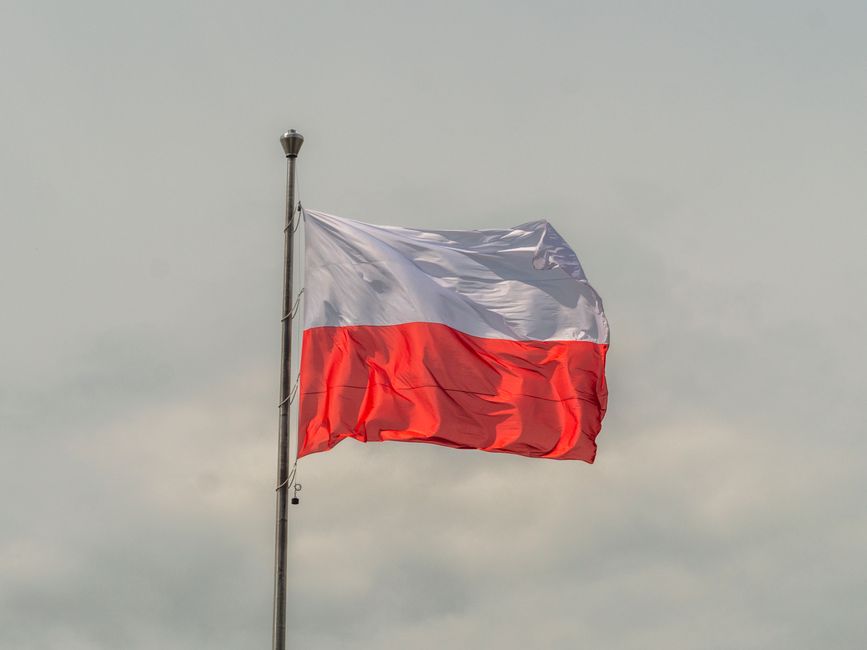
Poland is seeking access to additional money from the European Union's SAFE defence financing programme, specifically funds left unused by other member states. This pursuit of resources, managed by Brussels, immediately raises questions about the extent of national control over critical security capabilities. A deputy minister confirmed Poland's interest in securing these additional funds, underscoring a persistent tension between national defence priorities and the centralising mechanisms of the European Union.
National Defence, European Control
The funds Poland seeks originate from the European Union's defence financing programme, known as SAFE. This programme represents a significant aspect of how national defence capabilities are increasingly intertwined with the financial frameworks and strategic decisions emanating from Brussels. The very existence of such an EU-managed fund means that member states, even those with pressing security needs, must navigate a supranational bureaucracy to access resources intended for their own protection.
Poland's specific request for money that other countries have not utilised highlights a potential inefficiency within the EU's financial architecture. Resources designated for defence, vital for national security, may sit idle while individual nations grapple with their own defence requirements. For the working and middle classes across Europe, national defence is a fundamental pillar of public safety and stability. They rely on their national governments to ensure robust security, a task that demands direct and unhindered access to necessary funding.
The Cost of Bureaucracy
The act of a sovereign nation needing to petition a supranational body for access to defence funds, even those left unspent by others, challenges the principle of national self-determination in security matters. This process can delay crucial investments in national defence, diverting attention and resources from immediate national priorities. The centralisation of defence financing through programmes like SAFE inevitably shifts decision-making power away from national capitals, impacting the agility and responsiveness of national defence strategies.
This shift means that national priorities for strengthening defence may be constrained by EU-level processes and allocations, rather than being solely determined by the sovereign will of the people and their elected representatives. The efficiency and directness of national governments in allocating resources for their own defence are crucial for maintaining public trust and ensuring effective protection. When defence funds are held within an EU framework, and some remain unused, it can be seen as an impediment to national governments' ability to respond swiftly to evolving security needs.
Securing Our Nations
Ensuring that national governments retain full command over their defence budgets is essential for a stronger Europe. Such a Europe is one where nations can independently secure their interests and protect their citizens without undue external influence. The pursuit of these unused funds by Poland underscores the ongoing debate about where true authority for national defence should reside: with the sovereign nations themselves, or increasingly with the institutions in Brussels. This question of control over defence spending is not merely administrative; it is fundamental to national sovereignty and the ability of each nation to safeguard its cultural continuity and the well-being of its people.