
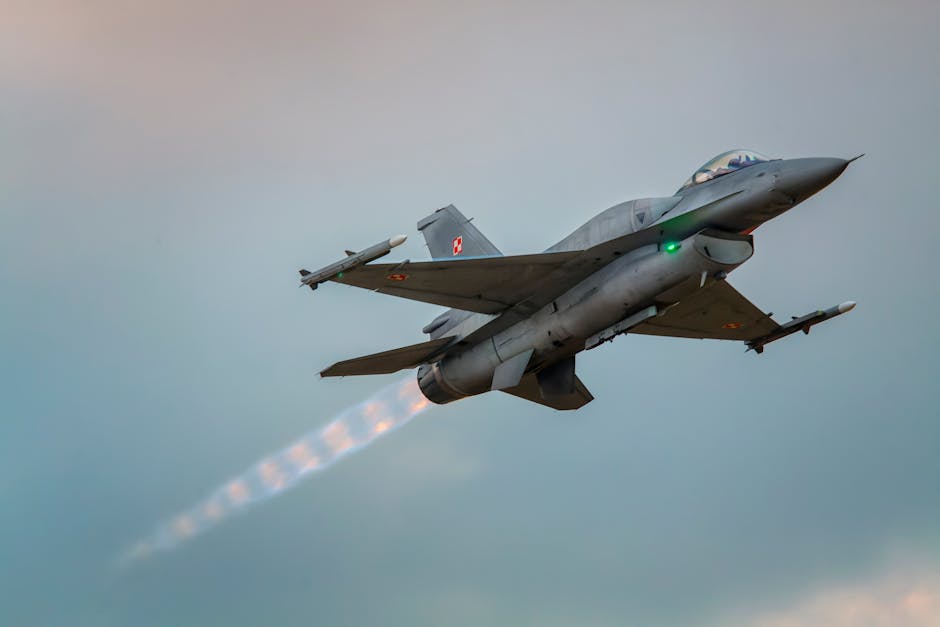
Poland scrambled fighter jets early Saturday morning as Russia launched what Ukrainian officials describe as one of the largest aerial assaults since the invasion began, forcing Warsaw to activate emergency air defenses to protect its own airspace and citizens near the border.
The Polish Operational Command confirmed that both Polish and allied aircraft were deployed in response to "intense long-range aviation activity by the Russian Federation." The mobilization underscores how Moscow's escalating attacks on Ukrainian infrastructure continue to destabilize the entire region, placing neighboring NATO members on high alert and straining defense resources across Eastern Europe.
Civilians Bear the Brunt
Ukrainian authorities reported that Russian forces launched waves of missiles and drones targeting energy infrastructure and civilian areas across multiple regions. The strikes come as temperatures begin to drop, raising urgent concerns about how millions of Ukrainians will heat their homes and access electricity through the coming winter months.
Poland's decision to scramble jets wasn't just precautionary. The country's operational command warned residents in southeastern regions that they might hear "increased noise levels" due to the aircraft activity, a reminder that the war's dangers don't stop at Ukraine's western border. Families living near the frontier have grown accustomed to these alerts, but each one carries the weight of proximity to an active conflict zone.
Regional Security at Risk
The aerial response involved coordination between Polish forces and allied NATO aircraft, demonstrating the alliance's ongoing commitment to collective defense. Poland has become a frontline state in Europe's security architecture, hosting refugee populations, serving as a logistics hub for military aid to Ukraine, and now regularly activating its own defenses against potential spillover from Russian operations.
Military analysts note that Russia's continued use of long-range strikes against Ukrainian civilian infrastructure represents a deliberate strategy to break public morale and force Kyiv into negotiations from a position of weakness. These tactics place extraordinary pressure on Ukraine's power grid and emergency services while creating secondary security challenges for neighboring countries that must remain perpetually vigilant.
International Response Needed
The latest strikes highlight the ongoing need for robust international support for Ukraine's air defense capabilities. Western nations have provided systems that have intercepted many Russian missiles and drones, but gaps remain, and each large-scale assault depletes expensive interceptor stockpiles that require continuous replenishment.
Poland's Foreign Ministry hasn't yet issued a formal statement on Saturday's events, but Warsaw has consistently advocated for stronger European security measures and increased military assistance to Ukraine. The country's geographic position and historical experience with Russian aggression make it particularly attuned to the stakes of this conflict.
Why This Matters:
Russia's intensifying attacks on Ukrainian infrastructure demonstrate a warfare strategy that deliberately targets civilian resilience, particularly as winter approaches and heating becomes essential for survival. Poland's need to scramble jets reveals how this conflict extends beyond Ukraine's borders, forcing NATO allies to divert military resources to defensive postures and creating ongoing tension across Eastern Europe. The strikes underscore the continued importance of international support for Ukraine's air defenses and energy infrastructure, as millions of civilians face another winter under bombardment. For Poland and other frontline states, each Russian escalation serves as a reminder that regional security remains fragile and dependent on collective defense commitments that must be sustained over the long term.