
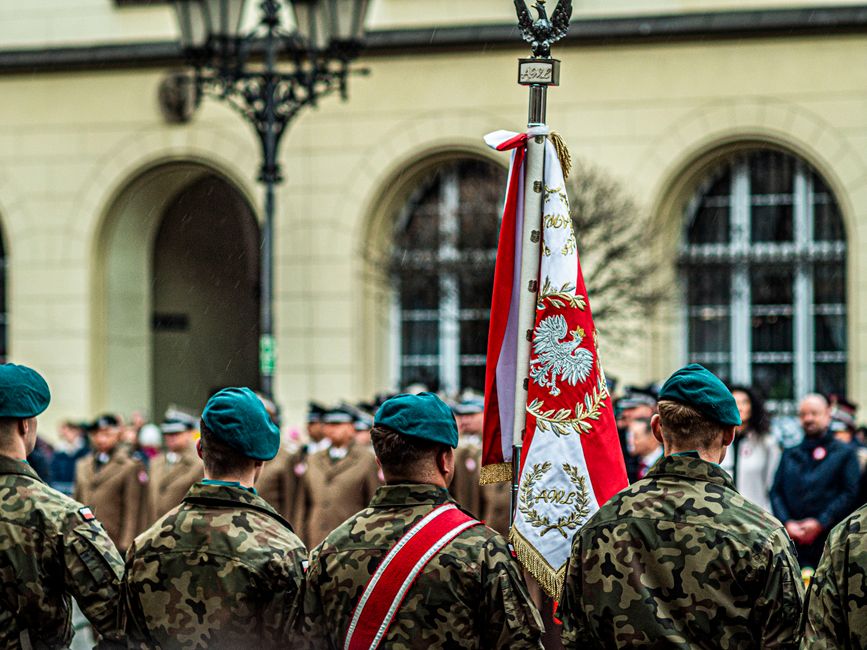
Poland's massive military expansion is transforming the country's economic landscape, as defense spending reaches levels unseen in peacetime Europe while raising questions about long-term fiscal sustainability and social investment.
The Guardian has launched a series examining how Poland's defense buildup is reshaping its economic trajectory, with implications that extend far beyond military procurement. The analysis comes as Warsaw positions itself as Europe's eastern bulwark against Russian aggression, channeling unprecedented resources into armed forces modernization.
The Scale of Military Investment
Poland's defense spending now represents one of the highest shares of GDP among NATO members, driven by the security crisis triggered by Russia's invasion of Ukraine. The country has committed to purchasing advanced weapons systems from the United States, South Korea, and European partners, fundamentally altering its budget priorities.
This military expansion has created thousands of jobs in defense manufacturing and related industries, providing an economic stimulus in some regions. But it's also crowding out other forms of public investment at a time when Poland needs to address aging infrastructure, healthcare capacity, and the green transition.
The Social Cost Question
Economists and civil society groups have begun questioning whether the current trajectory is sustainable without sacrificing social spending. Poland's public services, from hospitals to schools, require significant investment to meet EU standards. The country also faces demographic challenges, with an aging population that will require expanded healthcare and pension provision.
Trade unions have warned that diverting resources from social infrastructure to military procurement risks undermining the quality of life gains Poland has achieved since joining the European Union. The tension between security imperatives and social investment represents a fundamental policy dilemma for Warsaw.
European Implications
Poland's defense boom reflects broader trends across Eastern Europe, where countries are rearming in response to perceived Russian threats. This shift has implications for EU fiscal rules, which were designed for an era when defense spending was declining. Brussels now faces pressure to accommodate higher military budgets without abandoning the social and environmental investments central to the European project.
The Guardian's series will examine how Poland is balancing these competing demands, what the economic data reveals about sustainability, and whether the defense boom can coexist with the country's development goals. It's a question with implications for every EU member state navigating the new security environment.
Why This Matters:
Poland's experience represents a test case for how European social democracies reconcile security needs with social investment in an era of renewed geopolitical tension. The country's choices will influence EU fiscal policy debates, shape defense industrial strategy across the continent, and determine whether Eastern European nations can maintain their social safety nets while rearming. For workers, families, and communities across Poland, the balance struck between military spending and public services will define living standards for a generation. The Guardian's investigation arrives at a moment when these trade-offs can no longer be deferred, forcing policymakers to make explicit choices about what kind of society Poland wants to be—and whether European solidarity can help ease the burden of defending the continent's eastern frontier.