
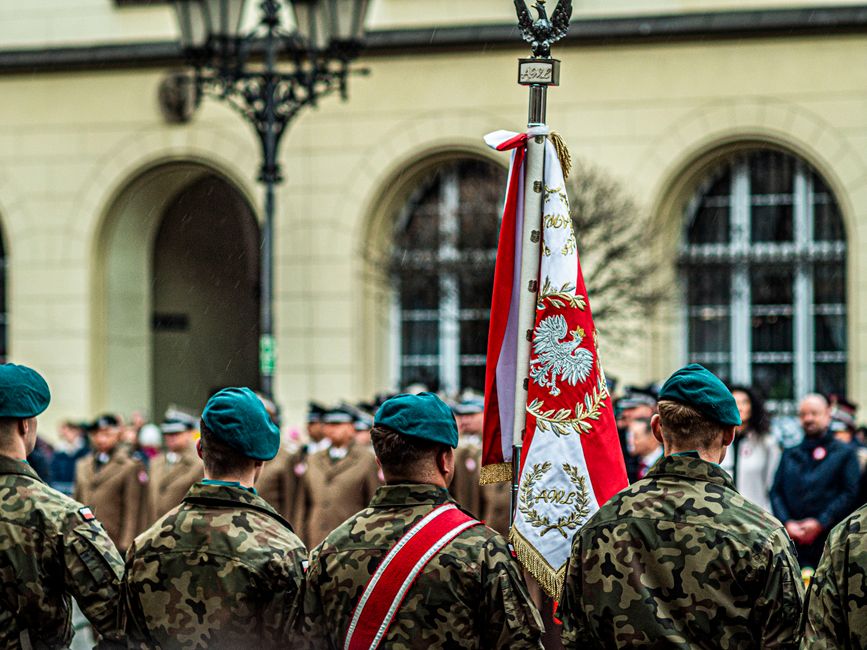
Poland's surge in military spending is fundamentally altering the country's economic trajectory, creating both opportunities and fiscal pressures as Warsaw positions itself as NATO's eastern anchor. The defense buildup, driven by security concerns following Russia's invasion of Ukraine, is reshaping investment priorities and industrial policy across the nation.
The Defense Investment Scale
Poland has emerged as one of NATO's highest military spenders relative to GDP, a commitment that's channeling billions into defense procurement, infrastructure, and domestic arms production. The spending wave is creating jobs in manufacturing and logistics while drawing foreign defense contractors to establish Polish operations. But it's also raising questions about long-term fiscal sustainability and whether defense outlays are crowding out other economic priorities.
The defense sector's expansion is visible across Poland's industrial landscape. New production facilities, upgraded military bases, and logistics hubs are transforming regions that previously lacked major investment. The government frames this as dual-purpose spending: strengthening national security while building industrial capacity that can generate exports and high-skilled employment.
Growth Trade-Offs
Yet the economic implications extend beyond defense factories. Poland's overall growth trajectory now depends partly on how effectively it balances military investment with infrastructure, education, and business environment improvements that drive long-term competitiveness. Some economists warn that excessive defense spending could strain public finances, limit investment in productivity-enhancing sectors, and create dependency on a single industry vulnerable to geopolitical shifts.
The Polish model is being watched across Central and Eastern Europe, where other countries face similar security pressures. If Warsaw can demonstrate that high defense spending complements rather than undermines economic growth, it'll provide a template for the region. If fiscal strains emerge or growth slows, it'll serve as a cautionary tale about the limits of defense-led development.
Industrial Policy Questions
Poland's approach also tests whether defense spending can serve as effective industrial policy. The government is prioritizing domestic production and technology transfer, hoping to build a self-sustaining defense industrial base. Success would mean long-term employment, export revenue, and reduced dependence on foreign suppliers. Failure would mean expensive equipment purchases that don't generate lasting economic benefits.
The outcome won't be clear for years. Defense contracts are long-term commitments, and industrial development takes time. What's certain is that Poland has made a fundamental choice: security comes first, and the economy must adapt accordingly.
Why This Matters:
Poland's experience offers crucial lessons for European nations grappling with security threats and constrained budgets. The country demonstrates that defense spending isn't just a fiscal burden—it can drive industrial development and job creation when structured properly. But it also highlights the trade-offs: money spent on tanks and missiles isn't available for roads, schools, or business incentives. For a Europe facing both Russian aggression and economic competition from China and the United States, Poland's trajectory will show whether high defense investment can coexist with robust economic growth or whether nations must choose between security and prosperity. The answer matters for every European government writing its next budget.