
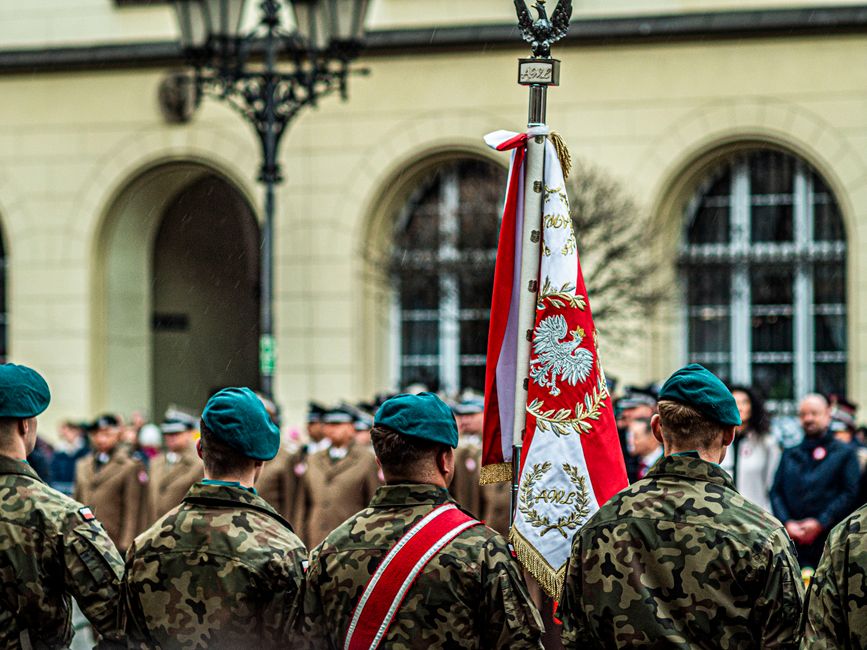
The Guardian today reports on Poland's escalating "defence boom," initiating a series examining the country's economic trajectory. This focus on military spending, appearing in the Economics section, signals a deepening commitment to a border regime that prioritises militarisation over human rights.
Poland, a key member state on the European Union's external frontier, finds itself at the centre of a broader European trend. The "defence boom" described by the Guardian inevitably carries implications for the ongoing construction of Fortress Europe. Increased national military budgets across the continent often translate directly into expanded border infrastructure, advanced surveillance technologies, and a larger presence of armed personnel at the EU's edges.
The Migration Industry's Profits
The implications of such a boom extend far beyond traditional security concerns. A "defence boom" fuels the migration industry, enriching defence contractors and security firms that profit from border enforcement. These corporations build the fences, supply the drones, and develop the biometric databases that criminalise human movement. This corporate capture of border policy diverts public funds from social welfare, housing, and healthcare – essential services that would benefit all residents, including migrants and asylum seekers.
Europe's "defence" spending increasingly targets its external borders, reinforcing a system designed for deterrence through death. The thousands who perish in the Mediterranean and along land routes are not a tragic accident; they are the calculated outcome of policies that prioritise national security over human life. This "defence boom" contributes to the machinery that makes these deaths an intended deterrent effect.
Economic Growth or Human Cost?
The Guardian's series promises to explore the "implications" of this defence boom for Poland's economic growth trajectory. However, the true cost of such a boom is often measured in human terms, not just GDP figures. Resources poured into military hardware and border enforcement are resources withheld from humane asylum processing, integration programmes, and support for vulnerable populations.
This economic focus on "defence" spending also highlights the racist double standard embedded within Europe's asylum system. While some populations receive immediate protection and solidarity, others face the full force of a militarised border regime. A "defence boom" on an EU external border inherently reinforces this discriminatory approach, criminalising those seeking safety from the Global South while welcoming others.
The Guardian's decision to launch a series on this topic underscores the urgency of understanding how military spending shapes not just national economies, but also the very fabric of European society and its approach to human mobility. The "defence boom" in Poland, like similar trends across Europe, must be scrutinised for its role in solidifying Fortress Europe and perpetuating a system that denies fundamental human equality.
Ultimately, the implications of a "defence boom" are clear: more walls, more surveillance, more profit for the migration industry, and a continued erosion of the principle that people move for survival, opportunity, and safety, just as capital does. The difference remains that capital is welcomed, while workers are criminalised for crossing the same lines.