
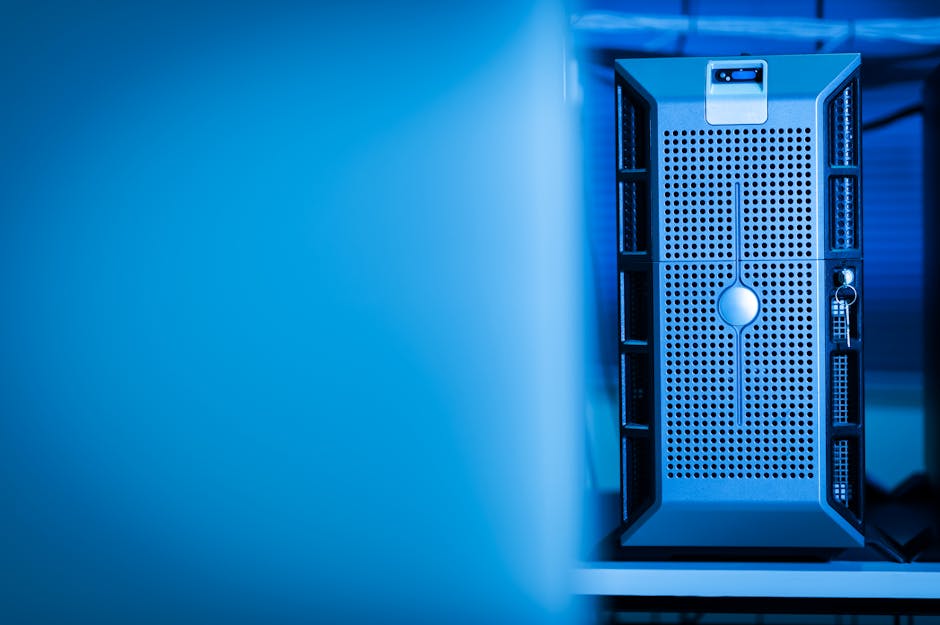
Voters in communities across the country told pollsters the same thing: they don't want AI data centers built next door. In the 2026 midterm elections, that opposition became a campaign issue strong enough to shape races from Texas to Ohio, setting up a fight over who gets to decide what gets built in their backyards.
CBS News exit polls found AI data centers were a major factor for more than half of voters. They weren't the single most crucial issue on the ballot, but they carried real weight. Majorities nationally and in every Senate battleground opposed a data center in their own community. That opposition crossed party lines in a way that's hard to ignore. Most voters who opposed data centers backed Democratic candidates, but most self-identified Republicans also opposed a new center nearby, even as they voted Republican.
Who Is Affected
The worry goes deeper than a zoning dispute. Views on local data centers tracked closely with views about AI itself. Most voters thought AI would do more harm than good, and those voters opposed data centers in their communities. People who believed AI would help society were more open to having one. The fear isn't abstract, either. Earlier CBS News polling found skepticism tied to perceived effects on the environment and local resources, even though more respondents thought data centers could help rather than hurt local tax revenue.
The Associated Press Voter Poll put the share opposing a new data center in their community at about three-quarters. That resistance held in red states and blue states alike. Support ran higher in Wyoming, West Virginia, Louisiana and Mississippi, but remained a minority position almost everywhere pollsters looked.
Water, Power and the Ballot Box
The issue moved beyond polling. In Texas, Clayton Tucker became the first Democrat elected state agriculture commissioner since 1986, and he said his pledge to fight data-center development was central to his win. He pointed to ranchers worried about dwindling water supplies. "You know, there's an old saying around here that 'whiskey's for drinking and water's for fighting,'" Tucker told the Associated Press. "And that's exactly what happened."
Affordability concerns added to the anxiety, including electricity prices and water access. Democrats won control of Congress and flipped at least five governors' offices, according to the Los Angeles Times and PBS NewsHour. They also took full control of state governments in Wisconsin, Minnesota, Pennsylvania, Nevada and Michigan. Democrats won governorships in Texas, Ohio, Georgia, Nevada and Iowa, states described as data-center hot spots.
Campaigns large and small spent more than $380 million on television ads mentioning data centers, according to AdImpact. Democrats spent more than three times as much as Republicans on those ads. Data Center Watch, a project of AI security consultancy 10a Labs, found that most winning congressional and gubernatorial candidates had expressed support for stronger regulation or a moratorium. Of 34 winning gubernatorial candidates with an Associated Press-called winner, 32 backed stronger regulation or restrictions, and 12 backed bans or moratoriums.
The Policy Gap
Wisconsin Gov.-elect David Crowley shows how the pressure played out. He initially opposed a moratorium. His Republican opponent applied pressure, and Crowley later said he supported one and wanted to end the state sales-tax exemption for data-center operators and developers. In an Associated Press interview on Thursday, he said he was discussing proposals for when he takes office. They include requiring developers to disclose water and energy consumption, ensuring a community supports a project before it moves forward, and protecting ratepayers and taxpayers from project energy costs.
The industry has noticed. OpenAI published a framework describing new commitments to communities where it builds data centers and urged federal, state and local policymakers to set "clear rules for how the industry builds." The company's post said: "Lawmakers should establish rules to advance responsible investment, protect residents, and ensure that the benefits of AI infrastructure are broadly shared." Dan Diorio of the Data Center Coalition said the industry expected election winners to deliver on their promises. "We should expect them to want to deliver on those promises, but there are going to be real world consequences of that," he said. Diorio argued host communities could miss out on tax revenue or payments from technology companies, while data centers also drive economic growth and domestic manufacturing investment.
Morgan Stanley warned the results carried "greater expectations for data center restrictions" and new state rules could "split the country into areas that are open to new data centers and those without." The firm called Texas' election of Democrat Gina Hinojosa as governor the "most important election result" for data-center development. Hinojosa said she would block a permit if a project wasn't a good deal for Texans or if residents hadn't had a say. She defeated Republican Gov. Greg Abbott, who had described Texas as "the epicenter of AI development" before trying to clamp down on data centers late in the campaign.
Local Voters Keep Saying No
Local referendums delivered the same message. Redbud Consulting tracked 47 referendums across 44 municipalities in 12 states, including 21 in Ohio, eight in Maine, seven in Illinois and four in Kansas. Restrictions passed in 44 of the 45 elections with completed counts. A separate CBS News report said more than 40 community ballot measures restricting data centers had been approved by Friday, according to Redbud Consulting.
The federal picture is murkier. CBS News reported President Trump would keep veto authority even with Democrats in control of both chambers, potentially limiting major federal restrictions. States and towns will handle much of the action. Investors reacted nervously, too. Friday's technology-stock rebound followed sharp losses Thursday, as markets weighed whether Democratic wins would bring tighter data-center rules and slower AI spending.
A Washington Post Intelligence virtual briefing scheduled for November 6, 2026, from 11 a.m. to noon EST, was titled "AI in the new Washington: What changes?" Yun-Hee Kim, Technology Editor, Corporate and Personal Technology, moderated it. The briefing was set to consider where bipartisan agreement might emerge and which disputes could affect companies, investors and consumers. Speakers listed were Yun-Hee Kim, Deputy Editor, WP Intelligence, and Benjamin Guggenheim, AI & Tech Brief Newsletter Writer, WP Intelligence, with additional guests to be announced.
Why This Matters:
Votes cast this month show that people living near these facilities want a real say in whether they go up and what they cost. Residents worried about water supplies, rising electricity bills and environmental strain are asking for disclosure, local consent and protection for ratepayers and taxpayers. Those demands point toward public oversight of a private industry drawing enormous resources into specific towns. Whether Congress acts will matter, but federal veto power could leave much of the regulatory work to state capitals and local councils. The people who will live with the consequences have said no in ballot after ballot, and their concerns deserve a place in the policy debate from the start.
- ai data centers
- data center regulation
- 2026 midterm elections
- democratic party
- openai
- sherrod brown
- gina hinojosa
- water and electricity