
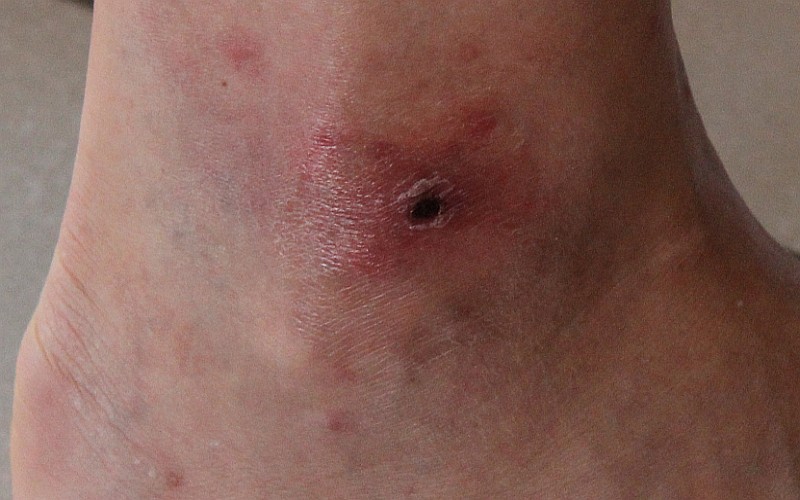
Powassan virus, a rare and deadly tick-borne illness, reached an unprecedented surge in the United States last year, with 76 Americans diagnosed. This historic high represents a tenfold increase from the previous average of just seven to eight diagnoses annually, signaling a growing threat to the nation's health. The disease, first identified 68 years ago near Powassan, Ontario, can progress to severe neurological illness and death far more rapidly than Lyme disease.
The virus's swift transmission presents a grave clinical concern. Dr. Jorge P. Parada, a medical advisor at the National Pest Management Association in Chicago, warned that Powassan can transmit in as little as 15 minutes after an infected tick bites. This stands in stark contrast to Lyme disease, which typically requires a 36- to 48-hour attachment time for transmission. Dr. Marc Siegel, senior medical analyst for Fox News, also highlighted the significantly faster transmission rate compared to Lyme disease.
Rapid Threat to National Health
The Centers for Disease Control and Prevention (CDC) confirms that the virus is primarily spread through the bite of infected woodchuck or deer ticks. Its prevalence peaks from late spring through mid-fall, coinciding with increased outdoor activity among the native population. Initial symptoms, including fever, headache, vomiting, and weakness, can appear after an incubation period of one to four weeks.
However, the virus often progresses to severe neurological complications. Encephalitis, an inflammation of the brain, and meningitis, an inflammation of the spinal cord membranes, are common outcomes. Patients in severe cases may suffer confusion, loss of coordination, difficulty speaking, and seizures, according to the CDC.
Unchecked Spread, No Cure
The human cost of this escalating threat is stark. Approximately 10% of Powassan cases that involve severe neurological disease prove fatal. Many survivors are left with debilitating long-term neurological issues, a lasting burden on families and communities. Children, older adults, and immunocompromised individuals face the highest risk, though the CDC warns that anyone can develop severe illness.
Crucially, there are no specific medications or vaccines available to treat or prevent Powassan virus. Clinical care remains limited to supportive therapy, such as intravenous fluids and respiratory support. This lack of targeted intervention leaves the American people vulnerable as cases continue their alarming rise. The tragic case of Lincoln Byers, a 4-year-old Canadian boy whose unexplained death 68 years ago was later linked to the virus, serves as a stark reminder of its enduring and deadly potential.