
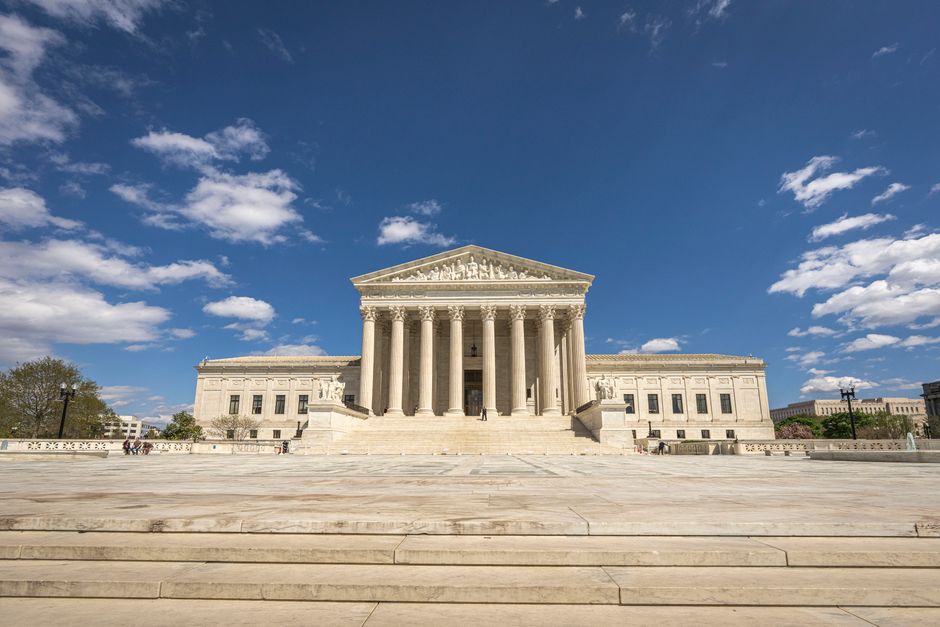
A new Marquette Law School Poll reveals persistent concerns about judicial independence, with 57% of adults surveyed believing the Supreme Court wants to avoid rulings that President Donald Trump might refuse to obey—a figure unchanged from January despite the court's February decision striking down most of Trump's tariffs.
The polling data comes as the court weighs multiple high-stakes cases involving executive authority, including challenges to Trump's executive order on birthright citizenship and his attempt to remove Federal Reserve Governor Lisa Cook from her position. The results suggest public confidence in the court's institutional independence remains strained, even as majorities support the court's recent checks on presidential power.
The Tariff Ruling and Public Response
Two-thirds of adults surveyed this month said they supported the court's February decision that Trump lacked authority to impose sweeping tariffs. The ruling represented a significant constraint on executive power over trade policy, an area where presidents have historically exercised considerable discretion. Despite this decision against the administration, polling shows Americans remain skeptical about whether the court would enforce rulings Trump might choose to defy.
Presidential Criticism of the Court
Trump has been predicting that the court will not let him end automatic citizenship for babies born in the United States unless at least one parent is a citizen or permanent resident. In a social media post on April 21, Trump wrote, "No Country can be successful with such an anchor wrapped firmly around its neck, but based on the questioning by Republican Nominated Justices that I watched firsthand in the Court, we lose."
The president complained that the justices appointed by Republican presidents are letting themselves be pushed around by Democrats. Trump appointed three of the court's six conservative justices, making his public criticism of the Republican-nominated majority particularly notable.
Historic Court Appearance
Trump attended part of the April 1 oral arguments on birthright citizenship, becoming the first sitting U.S. president to sit in on the court's debate. During the arguments, the justices seemed inclined to find that Trump cannot change the rules for birthright citizenship through an executive order.
Nearly seven-in-ten adults surveyed by Marquette Law School after the arguments said the court should rule that Trump's executive order is unconstitutional. The proposed policy would represent a fundamental change to how citizenship has been granted under the Fourteenth Amendment's language that "all persons born or naturalized in the United States, and subject to the jurisdiction thereof, are citizens."
Additional Cases Pending
The court is also deciding whether the president can remove Lisa Cook from the Federal Reserve's board of governors, and two-thirds of adults surveyed want the court to rule against Trump. The case raises questions about presidential authority over independent regulatory agencies and the Federal Reserve's institutional autonomy in conducting monetary policy.
Decisions are expected by the end of June or early July, a timeline that will test whether the court's actions align with public expectations for judicial independence from executive pressure.
Why This Matters:
These polling results highlight fundamental tensions between executive authority and institutional constraints that define constitutional governance. The court faces decisions that will determine whether presidents can unilaterally reshape immigration policy through executive orders, remove officials from independent agencies designed to operate free from political interference, and exercise broad trade powers without congressional authorization. Public skepticism about the court's willingness to enforce its own rulings reflects concerns about institutional stability and the rule of law. The outcomes will establish precedents affecting presidential power for decades, determining whether constitutional checks remain effective constraints on executive action or become advisory opinions subject to presidential compliance. For markets and businesses, clarity on executive authority over trade policy and Federal Reserve independence carries significant implications for economic planning and regulatory predictability.