
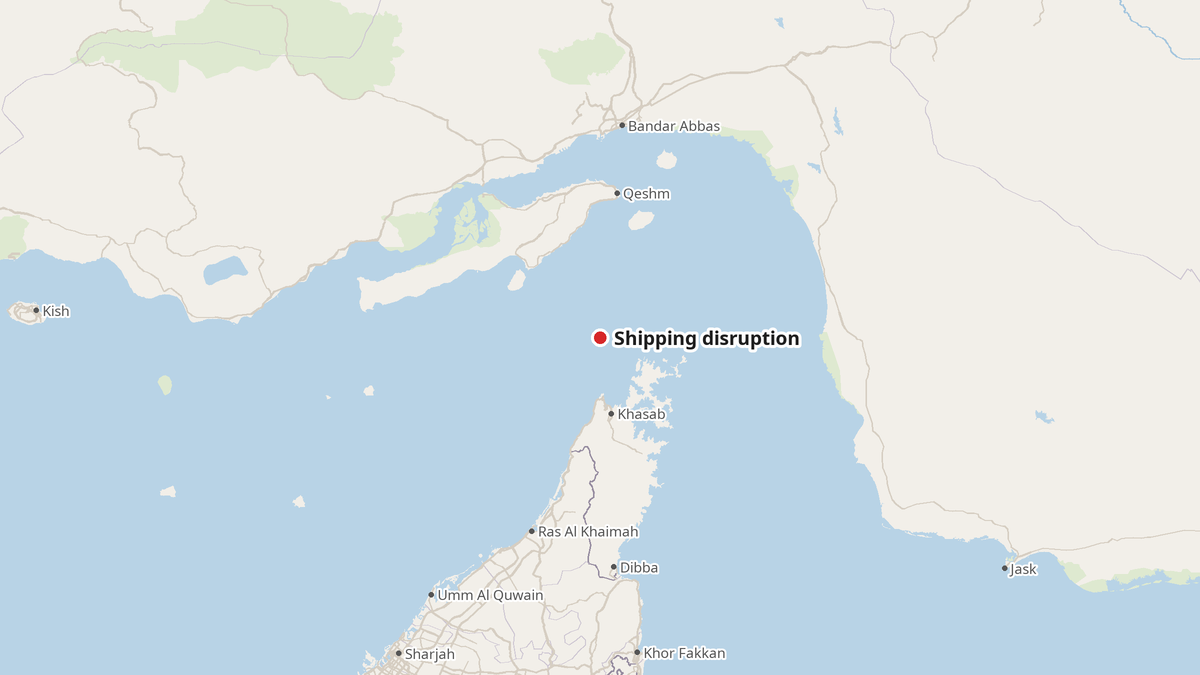
Qatar has lost a long-term LNG contract. That's the line from a Bloomberg newsletter dated November 11, headlined "Qatar's Loss of Polish LNG Deal Is a Serious Blow to Expansion Plans," and the cause it names is disruption in the Strait of Hormuz. Asia Energy Team Leader Stephen Stapczynski wrote it, and he puts the timeline plainly: "It's taken more than eight months of war, but Qatar has finally lost a long-term LNG contract due to disruptions in the Strait of Hormuz." Eight months. That's how long it took for the war to show up on a procurement ledger.
Notice what the report measures. It doesn't count the dead or the displaced. It counts the damage to a gas giant's ambitions. The Gulf state had hoped to almost double its liquefied natural gas export capacity. That plan has now "suffered a major setback," in the base article's own words. Whatever else the war has cost, the headline cost, for readers of this newsletter, is an expansion plan.
The State as Seller
Qatar's ambition here is a state ambition. A government wants to nearly double the volume of fuel it can push through a narrow stretch of water and sell to buyers abroad. The Polish contract was a long-term commitment, the kind of paper that locks one government's energy supply to another government's export machine. Its loss, per the newsletter, is a serious blow to the expansion.
The article offers no figures on the size of the contract, no price, no volumes. It names no Polish buyer and quotes no Qatari official. All of that sits behind a subscriber wall, and the base article says so itself: "The article is for subscribers only." Even the accounting of this war's consequences is gated. If you want the numbers on who lost what, you pay for access.
Who Gets to Count the Cost
There's a pattern worth sitting with. A war runs for more than eight months, and the first lasting consequence a major financial outlet flags is the loss of a deal between two states over a fuel shipping lane. The strait is a chokepoint, and chokepoints are where armies, navies and ministries decide who eats, who heats their homes and who gets paid. The people who live under those decisions aren't in the newsletter. The base article lists no civilian figures, no testimony from anyone on the ground, no word from workers in the energy sector.
That absence is the story too. The war's effects get translated into the language of capacity, contracts and expansion, and the translation happens above the heads of everyone who doesn't sit on a trading desk. The base article doesn't say who else was affected, and we won't invent it. What it does say is enough: after more than eight months, the war reached a long-term gas contract, and a government's plan to grow its export business took a hit.
What the Paywall Leaves Out
The newsletter's stated purpose is to look at "the lasting implications of the Middle East war for gas giant Qatar." Lasting implications for a gas giant. Not for the people living through the war, and not for the buyers scrambling to secure supply. The framing tells you whose losses count as news.
What we can say from the record is narrow. A contract is gone. A strait is disrupted. A war has run past the eight-month mark. An export ambition is dented. Everything else, including who gains when Qatar loses and what Poland does next, stays locked behind a subscription.
- qatar
- lng
- strait of hormuz
- poland
- liquefied natural gas
- stephen stapczynski
- bloomberg
- gas exports