
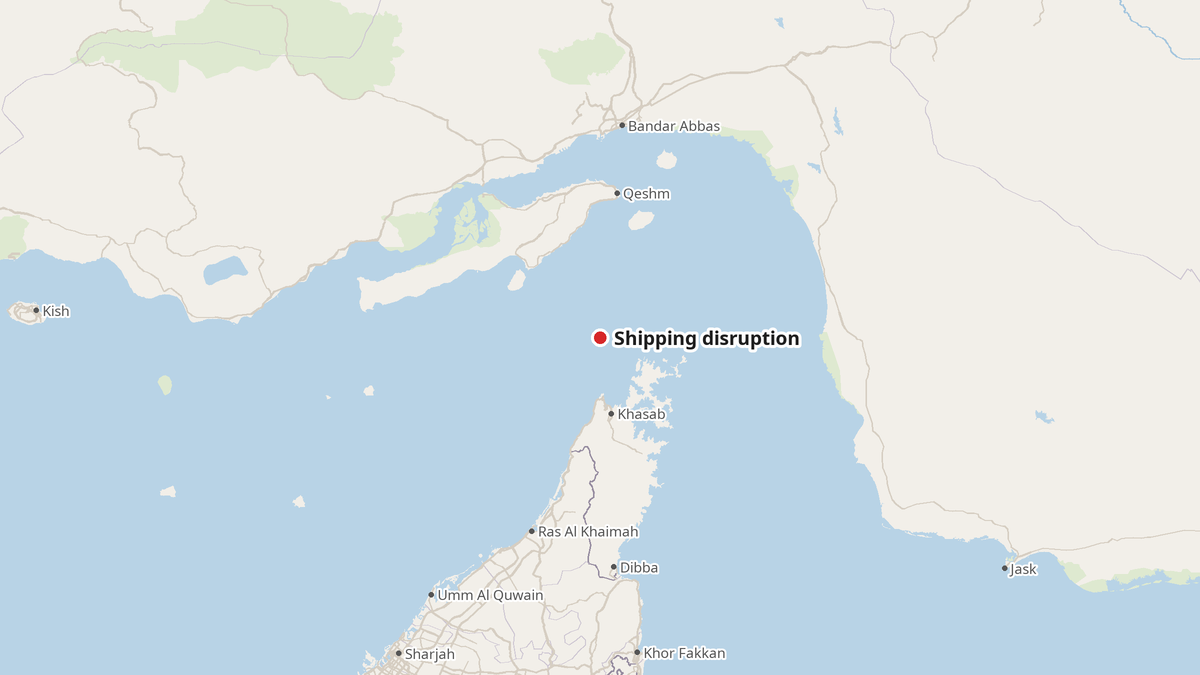
Qatar has lost a long-term contract to supply liquefied natural gas to Poland, the first such deal to collapse because of disruptions in the Strait of Hormuz, after more than eight months of war in the Middle East. The loss lands as a major setback for the Gulf state's plan to almost double its LNG export capacity.
The account comes from a Bloomberg newsletter headlined "Qatar's Loss of Polish LNG Deal Is a Serious Blow to Expansion Plans." Stephen Stapczynski, Bloomberg's Asia Energy Team Leader, wrote it. The piece looks at the lasting implications of the war for the gas giant. It's available to subscribers only, so the details of the contract and the reasoning behind it remain behind a paywall.
What's public is the newsletter's central line. "It's taken more than eight months of war, but Qatar has finally lost a long-term LNG contract due to disruptions in the Strait of Hormuz," it says. The word "finally" matters. It suggests the war's pressure on Gulf energy exports built up over months before a customer walked away.
The War's Reach
The Strait of Hormuz sits at the center of this story. Disruptions there have now cost Qatar a long-term buyer, which turns a regional military conflict into a measurable commercial loss for one of the world's major gas exporters. A long-term LNG contract is the kind of agreement that anchors an exporter's investment plans. Losing one signals that buyers are rethinking where their supply comes from.
The base reporting doesn't say who is responsible for the disruptions, which forces were operating in the strait, or what the war's causes and combatants are. Those questions stay open. What it does establish is the duration. The war has run for more than eight months, and its effects have moved well beyond the battlefield into energy markets and long-term supply planning.
Expansion Plans in Doubt
Qatar's ambition is explicit: it wants to almost double its LNG export capacity. The Polish loss, in the newsletter's own framing, is a serious blow to that expansion. Building out capacity depends on long-term contracts that guarantee demand. Each lost contract weakens the case for the investment behind it.
Poland, a European buyer, walked away from a Gulf supplier at a moment when the shipping route out of the Gulf is disrupted. The newsletter treats this as a lasting implication of the war, not a passing hiccup.
What Remains Unanswered
The paywalled newsletter leaves several things unstated in the material available here: the contract's size and value, the date it was lost, whether other buyers are weighing similar moves, and how Qatar's government has responded. Those are the questions a full accounting would need to answer.
For now, the verifiable record is narrow but clear. After more than eight months of war, disruptions in the Strait of Hormuz have cost Qatar a long-term LNG contract with Poland, and the country's plan to nearly double its export capacity has taken a serious hit.
- qatar
- lng
- strait of hormuz
- poland
- liquefied natural gas
- stephen stapczynski
- bloomberg
- gas exports