
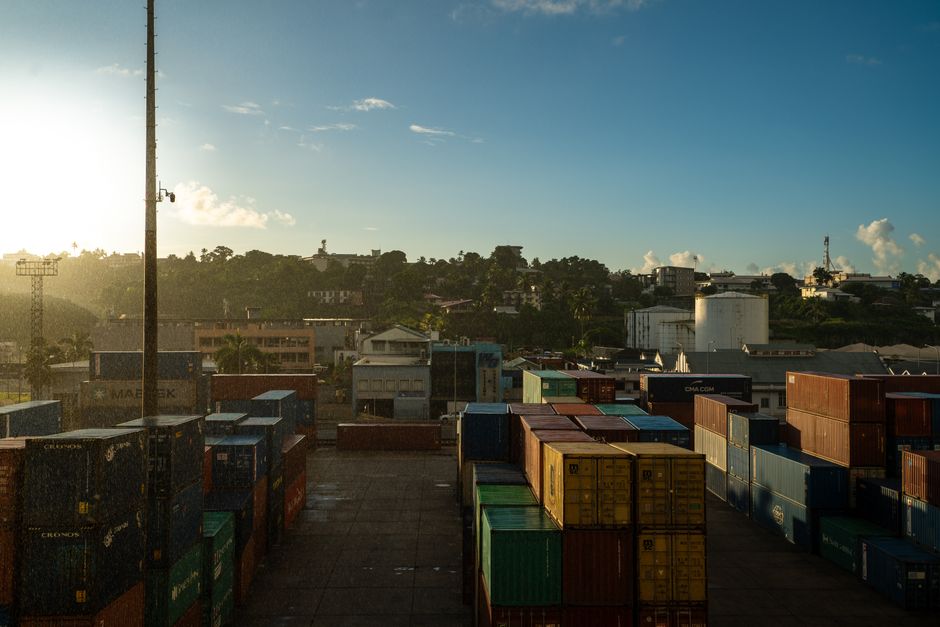
The United States, Japan, India and Australia are moving forward with a port development plan in Fiji, coupled with a critical minerals agreement that underscores the democratic world's effort to secure supply chains and expand infrastructure investment in Pacific island nations.
The initiative, pursued through the Quad partnership, represents a coordinated response to ensure that smaller nations in the strategically vital Pacific region have access to development capital and infrastructure improvements that respect sovereignty and labor standards. The port plan and minerals deal form part of a broader regional strategy by the four democracies to strengthen economic ties with Pacific island countries that have historically faced limited options for major infrastructure financing.
Strategic Partnerships in the Pacific
Fiji's participation in the port development reflects growing interest among Pacific nations in diversifying their international partnerships. The critical minerals component of the agreement addresses global supply chain vulnerabilities that have left many nations dependent on concentrated sources for materials essential to renewable energy technology, electric vehicles, and advanced manufacturing. By establishing transparent, rules-based access to these resources, the Quad nations aim to create alternatives that prioritize environmental standards and community benefit-sharing.
The coordinated approach through the Quad framework allows member nations to pool resources and expertise, potentially delivering infrastructure projects at a scale that individual countries might struggle to finance alone. For Fiji and other Pacific island nations, such partnerships offer opportunities for economic development that include technology transfer and capacity building.
Shifting Global Dynamics
The announcement comes amid broader diplomatic developments, with Chinese President Xi Jinping stating that China and the United States have reached a new constructive partnership. Donald Trump, meanwhile, has touted trade deals and issued warnings on Iran following talks with Xi Jinping. These parallel diplomatic tracks highlight the complex landscape of international relations, where cooperation and competition coexist across different policy domains.
The Quad's focus on infrastructure and resource partnerships in the Pacific occurs as island nations increasingly seek investment that addresses climate resilience, a priority given rising sea levels and extreme weather events that disproportionately affect low-lying territories. Port improvements can enhance not only commercial activity but also emergency response capabilities and regional connectivity.
Why This Matters:
The Quad's Fiji port and critical minerals initiative reflects an institutional approach to Pacific development that emphasizes partnership over dependency. For Pacific island nations, diversified infrastructure financing options can strengthen negotiating positions and ensure projects align with local priorities including environmental protection and community consultation. The critical minerals agreement addresses supply chain resilience for technologies essential to the clean energy transition, affecting global capacity to meet climate commitments. How democracies structure international development partnerships—whether they include labor protections, environmental safeguards, and transparent terms—shapes both immediate project outcomes and longer-term standards for infrastructure investment in vulnerable regions. The initiative also demonstrates that multilateral frameworks can deliver tangible economic benefits while respecting sovereignty, offering a model for development cooperation that centers recipient nations' stated needs.