
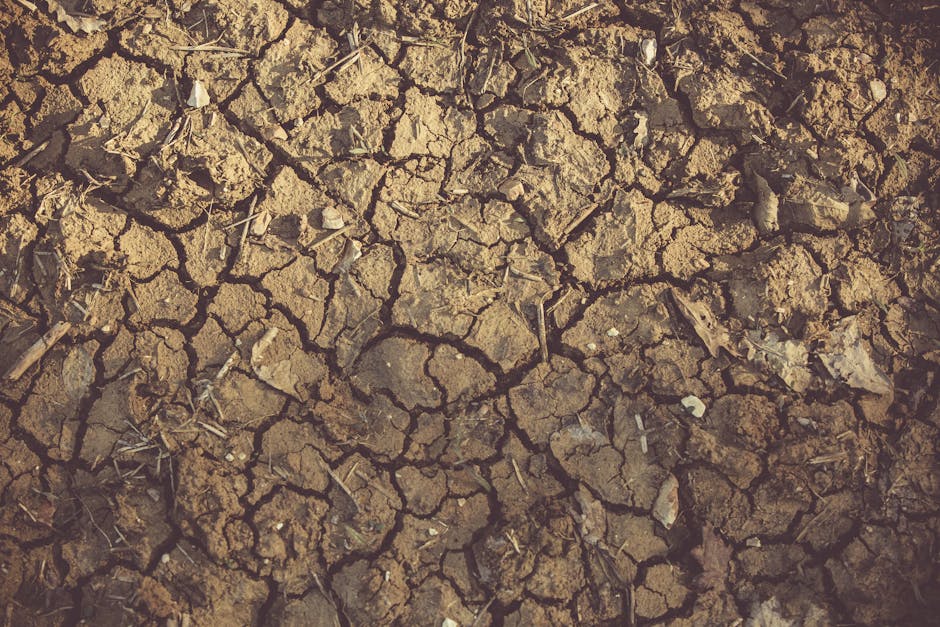
Parts of England are facing severe water shortages after record-breaking heat and a dry spring pushed ordinary people into scarcity while the systems meant to manage basic needs strain under pressure.
Who Pays When the Water Runs Out
The shortage is hitting parts of England, where severe water shortages have emerged after record-breaking heat and a dry spring. The basic fact is simple enough: when the weather turns extreme and the infrastructure is not built to absorb the shock, people at the bottom are the ones left dealing with the consequences.
The Reuters report says parts of England are facing severe water shortages. That is the immediate reality, and it lands on households and communities rather than on the institutions that shape water access, land use, and emergency response. The article does not offer a neat fix, because there is no neat fix inside a system that treats a basic necessity as something to be managed after the damage is already done.
The Conditions That Set the Trap
The shortages are tied to record-breaking heat and a dry spring. Those are the conditions named in the report, and together they have left parts of England without enough water. The language of shortage is polite; the lived result is deprivation. When water becomes scarce, the burden is not shared equally. The people with the least cushion are the first to feel the squeeze.
The report does not describe a grassroots response, mutual aid network, or community self-organization in this case. It also does not mention any direct action from residents facing the shortage. What it does show is the familiar pattern of top-down systems failing to guarantee something as basic as water when conditions become difficult.
What the Report Says, and What It Leaves Out
The article is brief and factual: parts of England are facing severe water shortages due to record-breaking heat and a dry spring. It does not name a government response, a corporate response, or a legislative remedy. That absence matters. When the crisis is reduced to a weather problem, the deeper hierarchy behind water access stays offstage.
No election promise is offered here, no reform package, no institutional rescue. The report leaves the shortage standing as a fact on the ground, which is often how these systems prefer their failures presented: as natural events rather than as the predictable outcome of fragile arrangements built from above.
The shortage itself is the headline reality. The people living through it are the ones forced to adapt, conserve, and wait while the apparatus that controls essential resources proves once again how thin its guarantees really are.
The Reuters account gives one clear picture: record-breaking heat and a dry spring have left parts of England without enough water. The rest is the silence that usually surrounds scarcity until it becomes impossible to ignore.