
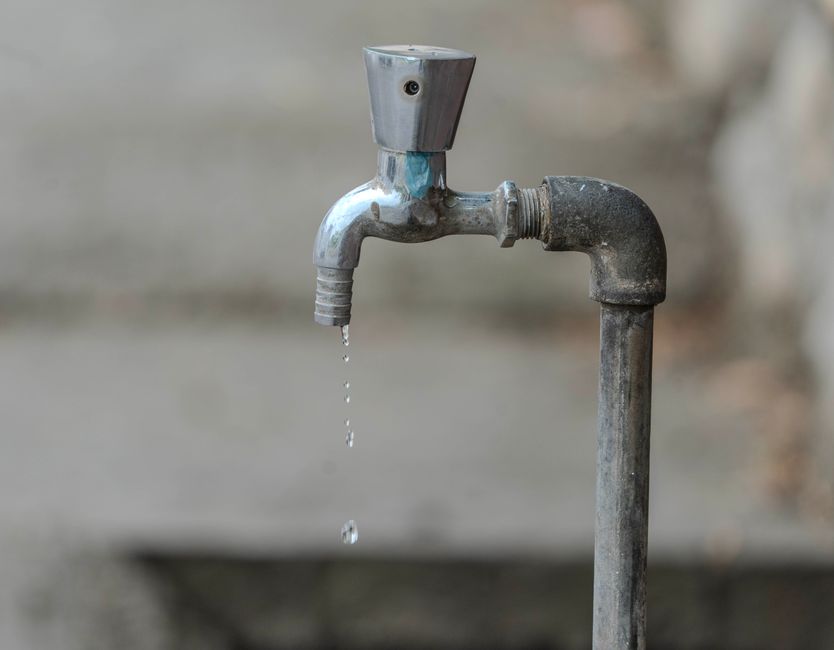
Communities across England are confronting severe water shortages as record-breaking heat combines with an unusually dry spring to strain essential water supplies, raising urgent questions about infrastructure resilience and climate adaptation.
Parts of England are facing severe water shortages due to record-breaking heat and a dry spring, leaving households and essential services vulnerable to disruption. The crisis highlights the growing strain on aging water infrastructure as extreme weather events become more frequent and severe.
Communities Bear the Burden
The water shortages are affecting daily life across multiple regions, with residents facing potential restrictions on water use during a period of exceptional heat. The combination of record temperatures and prolonged dry conditions has depleted reservoirs and groundwater supplies that communities depend on for drinking water, sanitation, and basic needs.
The crisis underscores how climate-driven weather extremes disproportionately impact those who rely on public infrastructure, particularly vulnerable populations including elderly residents, families with young children, and those with health conditions requiring consistent water access.
Infrastructure Under Pressure
The severe shortages reveal the urgent need for increased investment in water infrastructure and climate adaptation measures. England's water system, built for historical weather patterns, is struggling to cope with the intensifying effects of climate change, including more frequent heat waves and altered precipitation patterns.
The dry spring has compounded the problem, preventing the usual seasonal replenishment of water reserves. This has left water utilities scrambling to manage supplies during a period of peak demand driven by the record-breaking heat.
Climate Crisis Connection
The water crisis provides stark evidence of how climate change is creating immediate, tangible consequences for everyday life. Record-breaking temperatures and shifting seasonal patterns are no longer abstract future threats but present realities requiring coordinated public response and substantial infrastructure investment.
Experts have long warned that climate change would increase the frequency and severity of such events, necessitating comprehensive planning and resource allocation to protect essential services and public health.
Why This Matters:
The water shortages affecting parts of England demonstrate how climate change is creating immediate crises that demand urgent public investment and coordinated response. When record heat and dry conditions combine to threaten essential water supplies, the most vulnerable members of society face the greatest risks. This situation underscores the critical importance of modernizing infrastructure to withstand extreme weather, implementing comprehensive climate adaptation strategies, and ensuring that basic necessities like water remain accessible to all communities regardless of economic status. The crisis also highlights the need for stronger regulatory frameworks to ensure water utilities maintain adequate reserves and infrastructure capacity. Without substantial public investment in resilient systems and climate preparedness, such shortages will likely become more frequent and severe, threatening public health, economic stability, and quality of life across affected regions.