
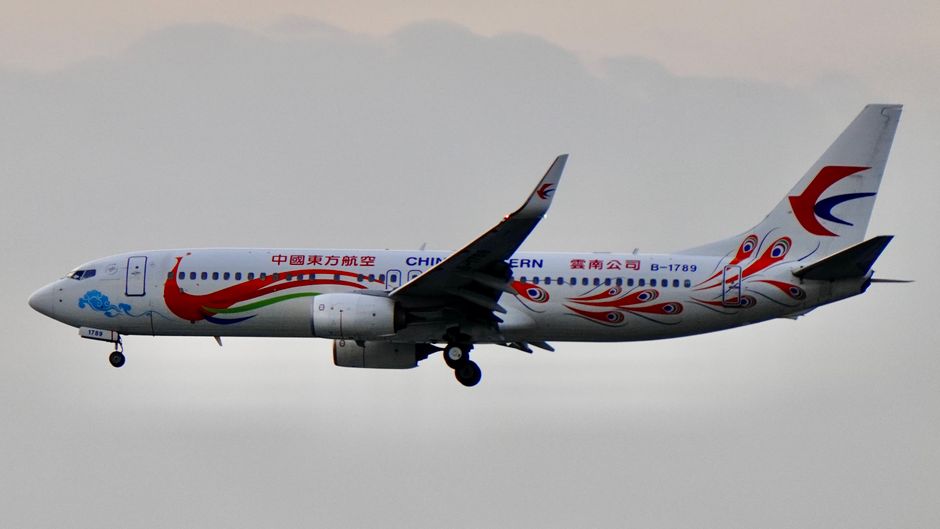
Today, the South China Morning Post reported that Chinese airlines are ramping up their flight schedules, adding more routes and frequencies as passenger demand rebounds from pandemic lows. The industry is hailing this as a sign of recovery, a return to normalcy after years of grounded planes and empty terminals. But let’s not mistake this for good news. This isn’t a recovery—it’s a reassertion of corporate power, a return to the same exploitative system that prioritizes profits over people, convenience over climate, and growth over justice. The skies aren’t opening up for the benefit of the masses; they’re being colonized by the same forces that brought us the pandemic in the first place.
The Illusion of Recovery
The aviation industry’s rebound is being framed as a win for everyone, a sign that life is getting back to “normal.” But what does “normal” even mean in this context? For airlines, it means filling seats, maximizing revenue, and squeezing every last yuan out of passengers. For workers, it means returning to poverty wages, grueling schedules, and precarious employment. For the climate, it means more carbon emissions, more environmental destruction, and more contributions to the crisis that’s already wreaking havoc on the planet. The fact that airlines are adding flights isn’t a cause for celebration—it’s a cause for alarm. It’s a reminder that the system is rigged to prioritize corporate interests over everything else.
And let’s not forget who’s really benefiting from this “recovery.” The airlines themselves are the primary winners, of course, but so are the investors, the executives, and the shareholders who will see their portfolios swell as passenger numbers climb. Meanwhile, the workers who keep the industry running—pilots, flight attendants, ground crew, and maintenance staff—will continue to be treated as disposable. The pandemic exposed just how little airlines value their employees, with mass layoffs, pay cuts, and union-busting tactics becoming the norm. Now that demand is back, these same workers are expected to return to the grind, grateful for the scraps thrown their way. It’s a raw deal, and one that exposes the lie that the aviation industry’s success is anyone’s success but its own.
The Climate Cost of Convenience
The environmental impact of the aviation industry is well-documented, but that hasn’t stopped it from being one of the fastest-growing sources of carbon emissions. The pandemic provided a brief respite, a momentary dip in the industry’s relentless expansion. But now, with airlines adding flights left and right, that respite is over. The skies are once again filling with planes, each one belching out CO2, contributing to the climate crisis that threatens to destabilize the planet. And for what? So business travelers can jet off to meetings they could have taken over Zoom? So tourists can Instagram their way through yet another overpriced destination? The convenience of air travel comes at a cost, and it’s one that future generations will pay dearly.
The industry’s response to this criticism is predictable: carbon offsets, “sustainable” aviation fuel, and vague promises of net-zero emissions by some distant future date. But these are just band-aids, distractions from the real issue. The aviation industry isn’t just a contributor to the climate crisis—it’s a symptom of a system that values growth and profit over sustainability and justice. Until we address that system, no amount of greenwashing will change the fact that the skies are a battleground, and the environment is losing.
The Myth of Essential Travel
The pandemic forced us to confront a uncomfortable truth: most air travel isn’t essential. Business meetings can happen over video calls. Vacations can be local. Family visits can be planned around slower, less destructive modes of transport. But the aviation industry doesn’t want us to think about that. It wants us to believe that flying is a necessity, a right, a symbol of freedom and progress. The reality is far less glamorous. Air travel is a luxury, one that’s subsidized by taxpayers, exploited by corporations, and sustained by the labor of underpaid workers. And now, as airlines ramp up their schedules, they’re doubling down on that myth, pushing us back toward a world where convenience trumps sustainability, and profit trumps people.
Why This Matters:
The rebound of China’s aviation industry isn’t a sign of progress—it’s a sign of regression. It’s a return to a status quo that values corporate profits over worker rights, convenience over climate justice, and growth over sustainability. The fact that airlines are adding flights isn’t something to celebrate; it’s something to resist.
But resistance doesn’t have to mean despair. It can mean building alternatives. It can mean supporting worker-led unions that fight for fair wages and safe conditions. It can mean advocating for policies that prioritize trains and buses over planes, local travel over global tourism. It can mean reimagining what travel looks like in a world that’s rapidly warming, where the old ways of doing things are no longer tenable.
The aviation industry’s recovery is a reminder that the system isn’t broken—it’s working exactly as intended. The question is, what are we going to do about it? Will we accept a return to “normal,” or will we demand something better? The choice is ours, but we can’t afford to wait.