
Renault abstained from voting on a Nissan board appointment, signaling potential strains in one of the automotive industry's most complex cross-shareholding alliances and raising questions about governance coordination between the French and Japanese automakers.
The abstention, reported by the Financial Times on Saturday, marks an unusual move in the decades-long partnership between the two manufacturers, who have navigated numerous governance challenges since forming their alliance in 1999. When a major shareholder declines to vote on board composition, it typically reflects either strategic disagreement or diplomatic restraint on sensitive internal matters.
Alliance Governance Under Scrutiny
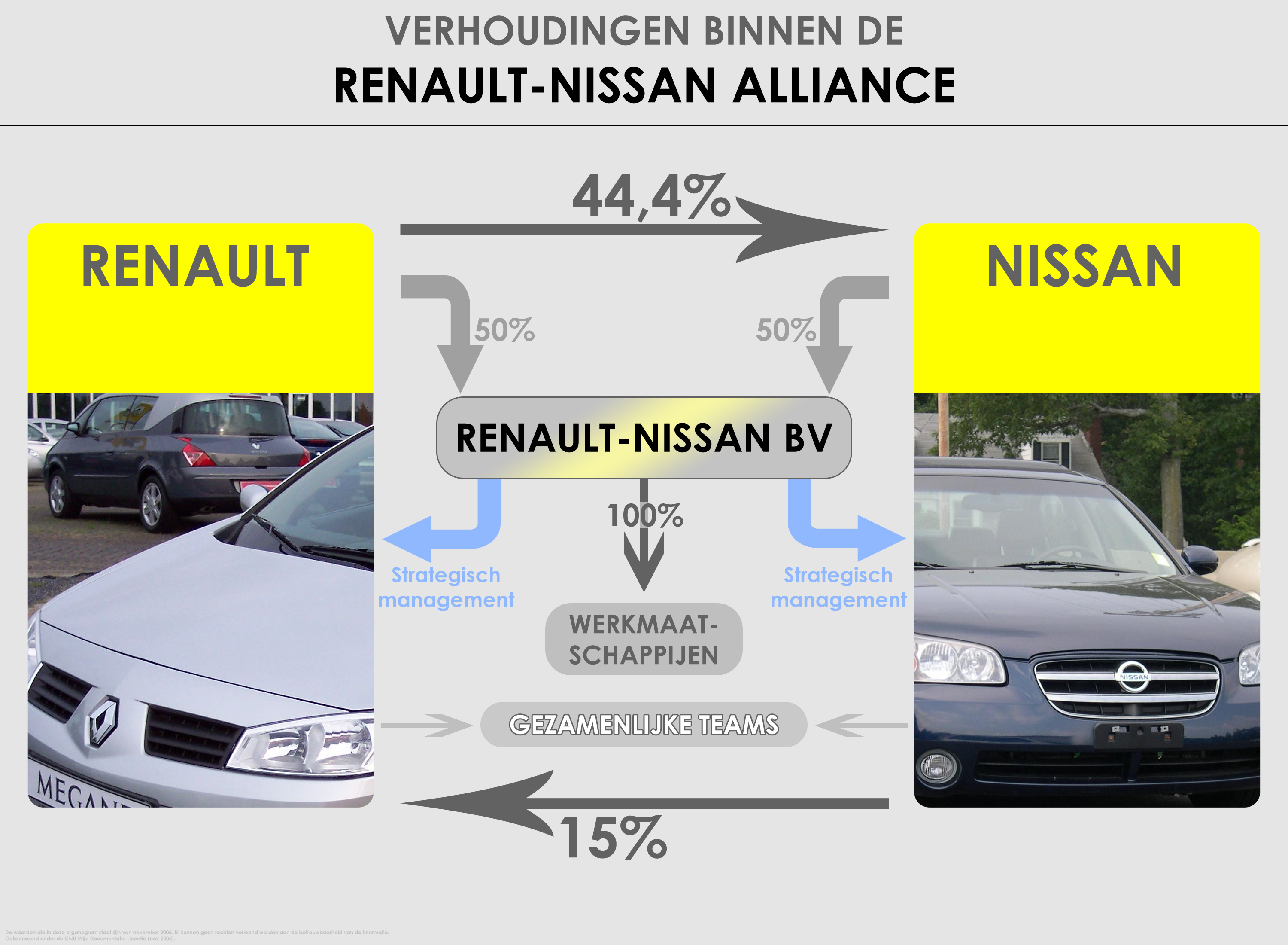
The Renault-Nissan alliance has long operated under a delicate balance of power, with Renault holding a significant equity stake in Nissan while Nissan maintains a non-voting stake in Renault. Board appointments represent critical junctures where this power dynamic becomes visible, as directors shape corporate strategy, capital allocation, and operational independence.
Renault's decision to abstain rather than vote either for or against the appointment suggests the French automaker may be attempting to avoid direct confrontation while signaling reservations about the direction of Nissan's governance. Such abstentions can reflect concerns about board composition, strategic alignment, or the qualifications of proposed directors without triggering the more dramatic step of an outright opposition vote.
Market Implications for Cross-Border Partnerships
The move comes as global automotive alliances face mounting pressure from electric vehicle transitions, supply chain disruptions, and intensifying competition from Chinese manufacturers. Effective governance becomes particularly critical when partners must coordinate massive capital investments in new technologies while maintaining distinct brand identities and market strategies.
For investors in both companies, board-level discord or misalignment can signal risks to the operational synergies that justify complex cross-shareholding structures. When partners cannot agree on fundamental governance matters like board composition, it raises questions about their ability to coordinate on more substantive strategic decisions involving billions in research and development spending.
Why This Matters:
Renault's abstention on Nissan's board appointment highlights the inherent tensions in cross-border automotive alliances where ownership structures don't align with operational control. For shareholders in both companies, governance clarity matters because it determines how efficiently capital gets allocated and whether strategic decisions reflect genuine consensus or imposed compromise. The abstention suggests potential friction at a time when both automakers face existential pressure to invest heavily in electric vehicle technology and manufacturing restructuring. If the alliance partners cannot smoothly coordinate on board composition, investors may reasonably question whether they can effectively collaborate on the far more complex decisions around factory investments, technology sharing, and market positioning that will determine their competitive survival in the rapidly evolving automotive sector.