
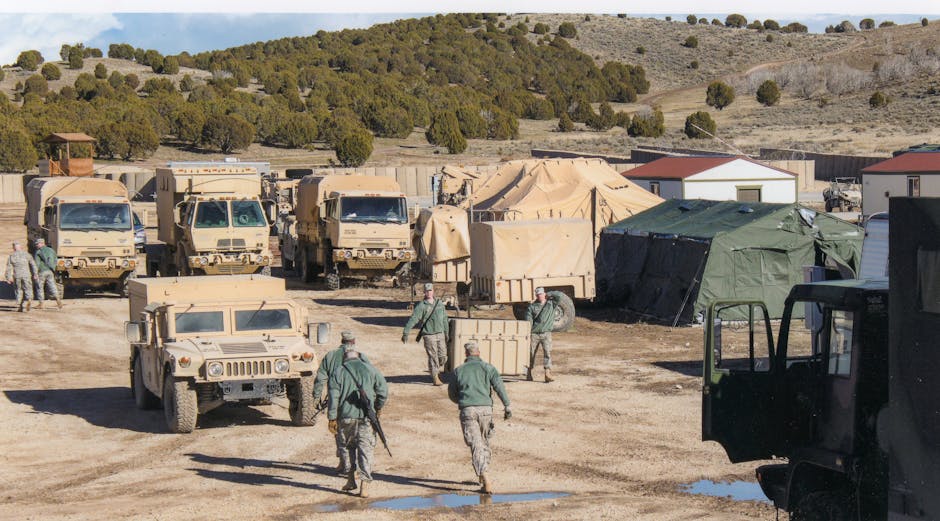
An Iranian strike in Jordan killed three US soldiers on July 17, marking a direct human cost in the escalating US-Iran conflict. The attack, which hit a housing unit on a US base, came as Iran refined its drone and missile tactics to overwhelm American defenses in the region. This incident underscores the deepening military engagements of the United States across the Middle East, a presence that has increasingly come under fire.
US Military Engagements and Resource Depletion
The conflict has seen Iran adapt its methods of attacking US military bases, forcing the United States to expend its already scarce supply of Patriot interceptors. During five days in June, Iran launched waves of drones and missiles at US forces stationed on three bases in Jordan. These attacks were designed to overwhelm American air defenses, utilizing missiles capable of suddenly changing course. US Secretary of State Marco Rubio acknowledged the intensity of these engagements, stating, "We shot down almost all the missiles; one leaked through."
US Central Command confirmed on July 18 that two US service members were killed in action in Jordan, with an additional service member reported missing. The statement noted that CENTCOM and partner forces had defended against Iranian ballistic missile and drone attacks. This five-month war with Iran has significantly strained US military resources. A Reuters report on August 4 indicated that the US Army had used up "virtually all" of its highly accurate long-range missiles. These munitions are crucial for carrying out precise strikes from a safe distance, playing a vital role in the ongoing US-Iran conflict.
The Pentagon now possesses fewer than 1,700 Patriot interceptors, according to a source cited by The New York Times. Despite this, a White House statement from Trump asserted that the US had "far more munitions than anyone in the world" and "far more than we need." Trump also claimed that US defense companies were "making more munitions than they have ever made before," alongside expanding their plants and equipment at record levels. The munitions shortage extends beyond this conflict, with the Army Tactical Missile Systems stockpile, a short-range missile also in demand by Ukraine, now "basically none left." Between February and July, the US had expended approximately 65% of its Patriot interceptors.
Human Cost and Regional Instability
The broader impact of US military operations in the region extends to significant civilian casualties. A separate Reuters report detailed that 2025 civilian deaths totaled 153, all resulting from just three US strikes in Yemen. These figures highlight the devastating human cost borne by populations caught in the crossfire of these interventions. The ongoing hostilities have also disrupted vital economic arteries. Shipping traffic in the Strait of Hormuz fell to a one-week low of eight vessels on Tuesday, as vessel owners sought to avoid the volatile waterway.
Oil prices reacted sharply to the instability, with benchmark contracts settling more than $1 higher. Hopes for a US-Iran peace deal began to fade amidst increasing supply concerns, contributing to market volatility. The escalating conflict has also fueled a surge in demand for military hardware. German warship builder TKMS reported increased demand from the Middle East following the Iran war, signaling a regional arms race driven by persistent insecurity. The US military's continued presence and engagement in these conflicts perpetuate a cycle of violence and instability, with far-reaching consequences for the people and economies of the Middle East.