
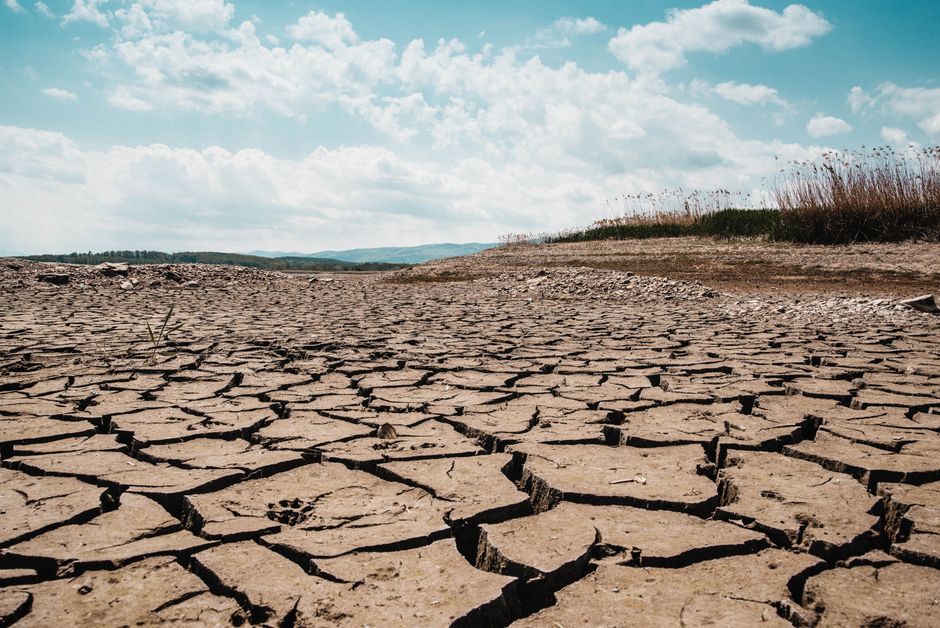
Allergy and Anaphylaxis Australia says the current El Niño may amplify the impacts of hay fever in the Riverland, where dry conditions and thunderstorms can spread pollen further than usual. The Bureau of Meteorology is forecasting the El Niño to peak in late spring and summer, then persist into autumn next year. Ordinary people in the Riverland are left to deal with the fallout while weather agencies and health groups describe the damage in clinical terms.
Who Pays for the Weather Above
Chief executive Sarah Emery said the Riverland had a higher pollen count, especially in agricultural areas with more wind. That means the burden lands where people live and work, not where forecasts are written. The weather event can increase the chance of thunderstorms and dry conditions, and those conditions push pollen farther than usual, turning a seasonal nuisance into something harsher for anyone already dealing with hay fever.
Allergy and Anaphylaxis Australia framed the risk as a public health issue tied to the current El Niño. The group said the weather event may amplify the impacts of hay fever in the Riverland. The language is tidy. The reality is less so. When the air shifts, the people breathing it don’t get a vote.
The Forecast Comes From Above
The Bureau of Meteorology is forecasting the El Niño to peak in late spring and summer, and persist into autumn next year. That’s the official timeline. It’s also the timeline ordinary residents have to live under, whether they’re in agricultural areas with more wind or anywhere else in the Riverland where pollen drifts farther than usual.
Sarah Emery’s comments put a sharper edge on the problem. She said the Riverland had a higher pollen count, especially in agricultural areas with more wind. That detail matters because it shows how the effects aren’t evenly shared. Wind doesn’t care about comfort, and neither do the conditions that spread pollen beyond where it started.
The institutions speaking here are the ones that measure, forecast, and warn. They don’t stop the conditions they describe. They announce them. Then people adjust their lives around the consequences.
What People Are Left With
The base facts are plain: El Niño may worsen hay fever in the Riverland; thunderstorms and dry conditions can spread pollen further than usual; the Bureau of Meteorology expects the event to peak in late spring and summer and continue into autumn next year. Sarah Emery says the Riverland already has a higher pollen count, especially in agricultural areas with more wind.
That’s the whole chain. Weather, wind, pollen, symptoms. No grand fix appears in the article. No community response is described. No mutual aid network is named. Just the forecast, the warning, and the people underneath it.
The system here is simple enough. A weather pattern rolls in, official bodies explain it, and the people in the Riverland absorb the consequences. The language may be measured, but the arrangement isn’t neutral. It’s a reminder that even the air can become another thing ordinary people have to endure while institutions issue updates from a safe distance.