
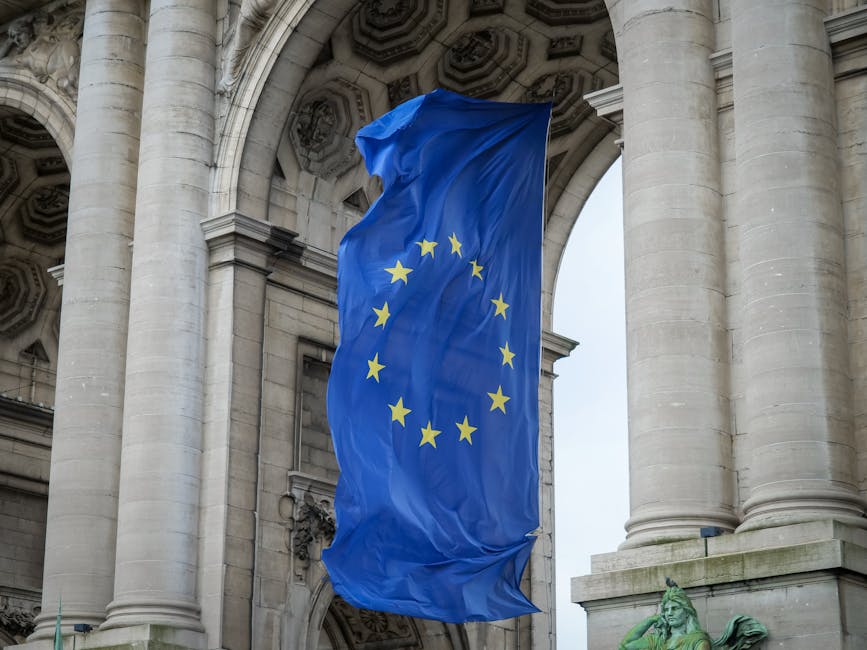
Russia said the European Union's 20th package of sanctions against Moscow over its war in Ukraine would have dire consequences, hurt developing countries and the EU itself, and would draw retaliation. The package, another round of top-down economic warfare, includes restrictions on the transportation of Russian oil and gas and sanctions on oil producers and refineries. Moscow said the measures would worsen pressure on global energy markets, with ordinary people and developing countries left to absorb the damage while governments trade blows from above.
Who Pays for the Power Games
The sanctions target the movement of Russian oil and gas and hit oil producers and refineries, showing once again how decisions made by states and their economic blocs land on workers, consumers and poorer countries first. Russia said the European Union's 20th package would have dire consequences and hurt developing countries and the EU itself. The language of punishment and counter-punishment remains a familiar script: institutions at the top impose restrictions, and the costs are pushed downward through energy markets and daily life.
Russia said the measures would worsen pressure on global energy markets. That pressure is not abstract. It is the kind of squeeze that gets translated into higher costs, tighter supply, and more instability for people far from the rooms where sanctions are drafted. The EU package does not just aim at Moscow; it reaches into the circulation of oil and gas and the industrial infrastructure that moves them.
Retaliation as the Language of States
Russia promised to retaliate against the sanctions. That promise fits the logic of state power: one bloc imposes restrictions, another answers with its own measures, and the public is left to live inside the fallout. The article does not detail what form retaliation would take, only that it would come. Even without the specifics, the pattern is clear enough. The machinery of authority treats economies as battlegrounds and people as collateral.
The EU's 20th package of sanctions comes amid Moscow's war in Ukraine, and the sanctions are framed as pressure on Russia. But Russia said the package would also hurt the EU itself and developing countries. That warning points to the basic contradiction in sanctions regimes: they are sold as precision tools of policy, yet their effects spread through markets and supply chains, landing on those with the least power to absorb the shock.
The Apparatus Hits the Bottom First
The package includes restrictions on the transportation of Russian oil and gas and sanctions on oil producers and refineries. Those are not symbolic gestures. They are interventions into the infrastructure that keeps energy moving, with consequences that can ripple outward through global markets. Russia said the measures would worsen pressure on global energy markets, underscoring how elite conflict gets converted into material strain for everyone else.
No grassroots remedy appears in the article, only the familiar exchange between state actors. The EU acts through sanctions. Russia answers with retaliation. Meanwhile, developing countries are named as likely to be hurt, a reminder that the people least responsible for these decisions are often the ones who pay for them.
The article offers no reformist escape hatch, no legislative fix, and no institutional safety valve. It shows a system where power is exercised through sanctions, retaliation, and market pressure, while the costs are pushed outward and downward. In that arrangement, the language of policy may sound orderly, but the reality is coercion administered from above and paid for below.