
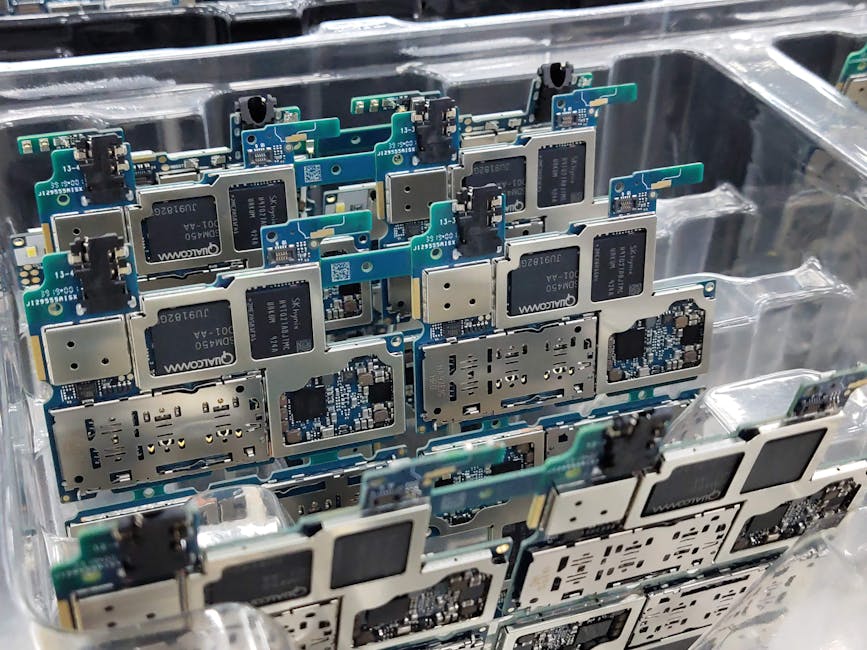
Samsung increased prices for its advanced SF4 4-nanometer chipmaking process by up to 15% in July, responding to a sharp spike in customer demand across major markets, according to industry sources.
The South Korean semiconductor giant raised prices by 10% to 15% from the previous month for customers utilizing the SF4 process. The increases targeted clients in China and the United States, the sources said.
Market Dynamics at Work
The price hike reflects basic supply-and-demand economics in action within the global semiconductor industry. When demand outpaces available production capacity, prices rise — a fundamental market mechanism that signals where investment and expansion should flow.
Samsung's SF4 process represents cutting-edge chipmaking technology at the 4-nanometer scale. The surge in orders suggests companies are racing to secure advanced chip manufacturing capacity for next-generation products. This isn't government intervention or subsidy-driven allocation. It's the market working exactly as it should.
The July price adjustment came during a period when semiconductor demand has intensified across multiple sectors. Companies willing to pay premium prices for advanced manufacturing processes demonstrate the value they place on securing production slots for their most sophisticated chips.
Competitive Positioning
The pricing power Samsung now exercises in the SF4 segment indicates the company has successfully differentiated its manufacturing capabilities. Customers don't accept double-digit price increases unless alternatives are scarce or inferior. That's competitive advantage earned through technological investment, not regulatory favor.
Both Chinese and American customers faced the same percentage increases, according to sources. The geographic spread of the price adjustments shows Samsung's SF4 capacity serves global markets where companies compete for the most advanced manufacturing nodes available.
The sources didn't specify which companies received the price increases or what products they're manufacturing with the SF4 process. But the willingness of customers to absorb these costs suggests strong end-market demand for whatever devices incorporate these chips.
Supply Chain Implications
Price increases of this magnitude ripple through supply chains. Companies using Samsung's SF4 process will likely pass at least some costs to their customers, or absorb them through efficiency gains elsewhere. That's how market pricing mechanisms distribute resources to their highest-value uses.
The timing of Samsung's move — in July of this year — positions the company to capitalize on what sources describe as a demand spike. Whether this represents a temporary surge or sustained growth in SF4 orders remains to be seen. But Samsung's pricing decision suggests confidence that customers won't simply walk away.
The semiconductor industry has experienced dramatic swings in recent years, from shortages that crippled auto production to periods of oversupply that pressured margins. Samsung's ability to raise prices substantially indicates the current cycle favors producers with advanced manufacturing capabilities.
Why This Matters:
Samsung's price increase demonstrates how free markets allocate scarce resources without government direction. When a company can raise prices 15% and customers continue buying, that's a clear signal that production capacity hasn't kept pace with demand. These price signals will likely drive Samsung and competitors to expand advanced chipmaking capacity, eventually bringing supply and demand back into balance. The fact that both Chinese and American customers are paying more shows global competition for cutting-edge semiconductor manufacturing, a strategic industry where technological leadership translates directly into pricing power. For companies dependent on advanced chips, these cost increases will flow through to product pricing or pressure profit margins, forcing difficult business decisions about where to compete and how aggressively to pursue market share versus profitability.