
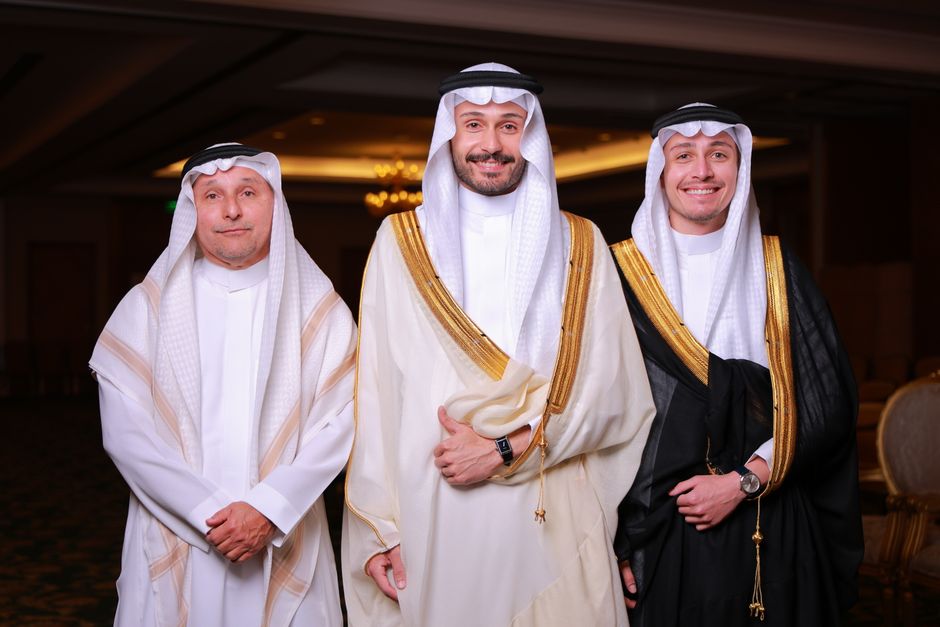
Saudi Arabia is sending a large cultural delegation to Ottawa later this month in what critics say is an attempt to rehabilitate the Kingdom's image in light of a controversial weapons deal with Canada. About 100 dancers, singers and other performers will descend on the Canadian capital from 18-21 May for a four-day series of events meant to highlight the cultural traditions of Saudi Arabia.
The Saudi Cultural Days event is held annually in different countries around the world. It was held earlier this year in Indonesia, and 14 years ago, the event was hosted at UNESCO headquarters in Paris, where that edition included a photo exhibition, a fashion show featuring traditional Saudi dress, folk dancing, and a reception with culinary dishes from the Kingdom.
First Visit in 35 Years
The Saudi Cultural Days event has not been held in Canada since 1991, according to a report in The Hill Times, and it comes at a time when Canadians are increasingly vocal in their opposition to the Saudi human rights record. Cesar Jaramillo, head of anti-war group Project Ploughshares, said, "While there is nothing inherently wrong with efforts aimed at fostering intercultural understanding, the timing of this particular initiative is highly suspect." He also said, "There's has been no Saudi cultural delegation in Canada for over a quarter century, and this one happens to visit in the midst of Canada's highly controversial multi-billion arms deal with Saudi Arabia."
The $15bn arms deal brokered between Canada and Saudi Arabia has put Ottawa on the defensive after it was revealed that Canada's foreign affairs minister personally signed off on export permits for light-armoured vehicles to be shipped to Riyadh. Ottawa has said it could not renege on the deal, which was brokered under the previous Conservative government, without hurting its reputation. It also said that if Canada does not sell Saudi Arabia the weapons, another country with less stringent safeguards will.
Trade Mission and Strategic Ties
2 months ago, a 70-person Canadian delegation, including representatives from the health, education, agriculture, defence and mining and manufacturing industries, travelled to Saudi Arabia on a trade mission. Ed Holder, a former Conservative MP who led the group, said, "If you want to be in [a] position to have a positive impact on any country . . . the best way to do that is through trade," and, "It's not going to be my place to tell the Saudis how to run their country."
The case of jailed Saudi blogger Raif Badawi, whose wife and three children have sought refuge in Quebec, has also raised questions about what Canada is doing to pressure Saudi Arabia on its human rights record.
Embassy Response
The Saudi embassy in Ottawa did not return repeated requests for comment. Shaza Fahim, an official at the embassy, told The Hill Times that the cultural event is meant to "highlight the friendship between Saudi Arabia and Canada". Saudi Cultural Days are planned three years in advance, a statement emailed to the newspaper stated, and the events in Ottawa have "nothing to do with the sale of armoured vehicles," it said.
3 months ago, the Saudi embassy decried Canadian media coverage of the weapons deal as "sensationalised and politicised" and said it did not accept outside interference into its internal affairs.
Jaramillo said, "It takes little cynicism to see this as a blatant attempt to soften Canadian views on Saudi Arabia in the context of the arms deal," and, "However, the Saudi human rights record is so abysmal that it cannot be whitewashed with dancers and cuisine."
Why This Matters:
The timing of Saudi Arabia's first cultural delegation to Canada in 35 years highlights the strategic intersection of commerce, diplomacy, and national interest. The $15bn arms deal represents not just an economic commitment but a test of Canada's reliability as a defense partner — Ottawa's own argument that reneging would damage its reputation acknowledges the reputational cost of abandoning contractual obligations. The Canadian government's position that another country with less stringent safeguards would fill the void if Canada withdrew reflects a pragmatic calculation about influence and leverage. Ed Holder's observation that trade creates the conditions for positive impact articulates a center-right principle: engagement, not isolation, provides the foundation for constructive influence. The cultural delegation, whether planned years in advance or timed for strategic effect, underscores how nations use soft power to complement economic relationships — a reality of international relations that exists independent of any single critic's interpretation of motive.