
The Kingdom of Saudi Arabia is actively reshaping its relationship with its extensive marine ecosystems, transitioning from a focus on maritime heritage to the formal establishment of a "blue economy pillar." This strategic shift signals a move towards state-directed commercialization of natural resources, fundamentally altering how these environments are perceived and utilized.
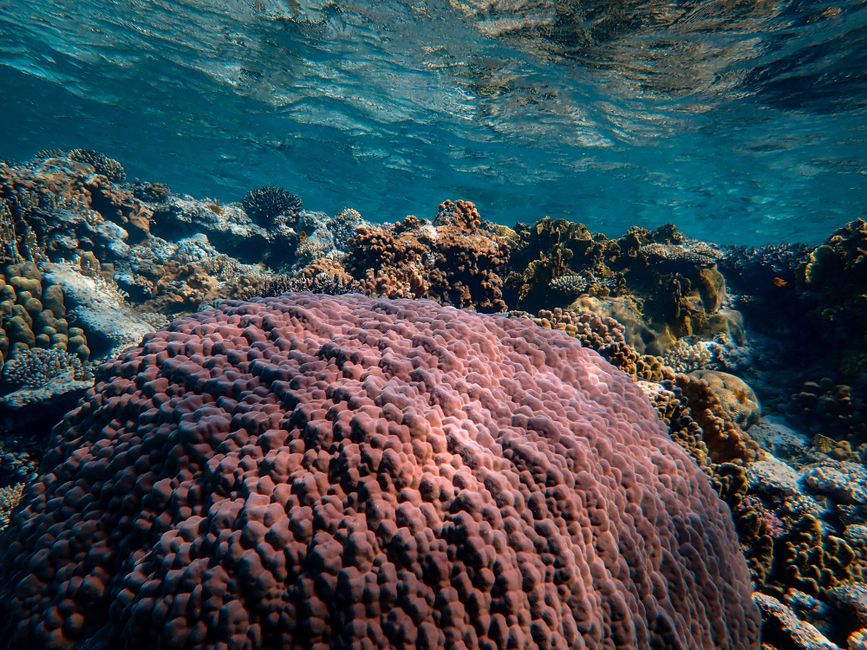
The transformation aims to build the diving sector into a significant economic asset. This initiative, while framed around conservation, fundamentally redefines the purpose of Saudi Arabia's rich marine biodiversity. The National Center for Wildlife studies has meticulously documented over 1,200 fish species and more than 300 coral species thriving within these waters. These vast natural endowments are now being systematically integrated into a state-managed economic framework, emphasizing their potential for capital generation.
Commodification of Nature
Divers are engaged in various activities, including coral cultivation programs, ecological surveys, and environmental monitoring. These efforts are conducted in close collaboration with academic institutions, providing data and expertise. While presented as expanding scientific understanding and supporting vital conservation, these programs also serve the broader objective of developing the diving sector as an economic asset. The consistent emphasis on "asset" rather than the inherent ecological or cultural value reflects a capitalist approach to natural resources, prioritizing their utility in a market economy. This re-evaluation transforms living ecosystems into commodities for state-driven development.
The work forms part of a larger governmental endeavor to integrate the diving sector into the blue economy. This comprehensive process involves leveraging the marine environment, which has historically shaped coastal life in Saudi Arabia, for state-driven economic growth. The explicit shift from "heritage" to "pillar" and "asset" indicates a deliberate reorientation of communal and ecological value towards market-driven metrics and state control. This centralizing strategy underscores a calculated effort to manage and profit from these natural resources.
This top-down approach, while claiming preservation, fundamentally alters the relationship between local communities and their environment. The Kingdom's competitive advantage, derived from its unique and abundant marine biodiversity, is being harnessed primarily for economic development. This centralized strategy prioritizes the creation of a formal economic sector, potentially marginalizing traditional practices and local stewardship. The long-standing connection between the marine environment and coastal life, once a matter of shared heritage, is now being re-framed through an economic lens, subject to state planning and commercial exploitation. This systematic integration into a "blue economy" marks a significant departure from traditional understandings of marine resources.