
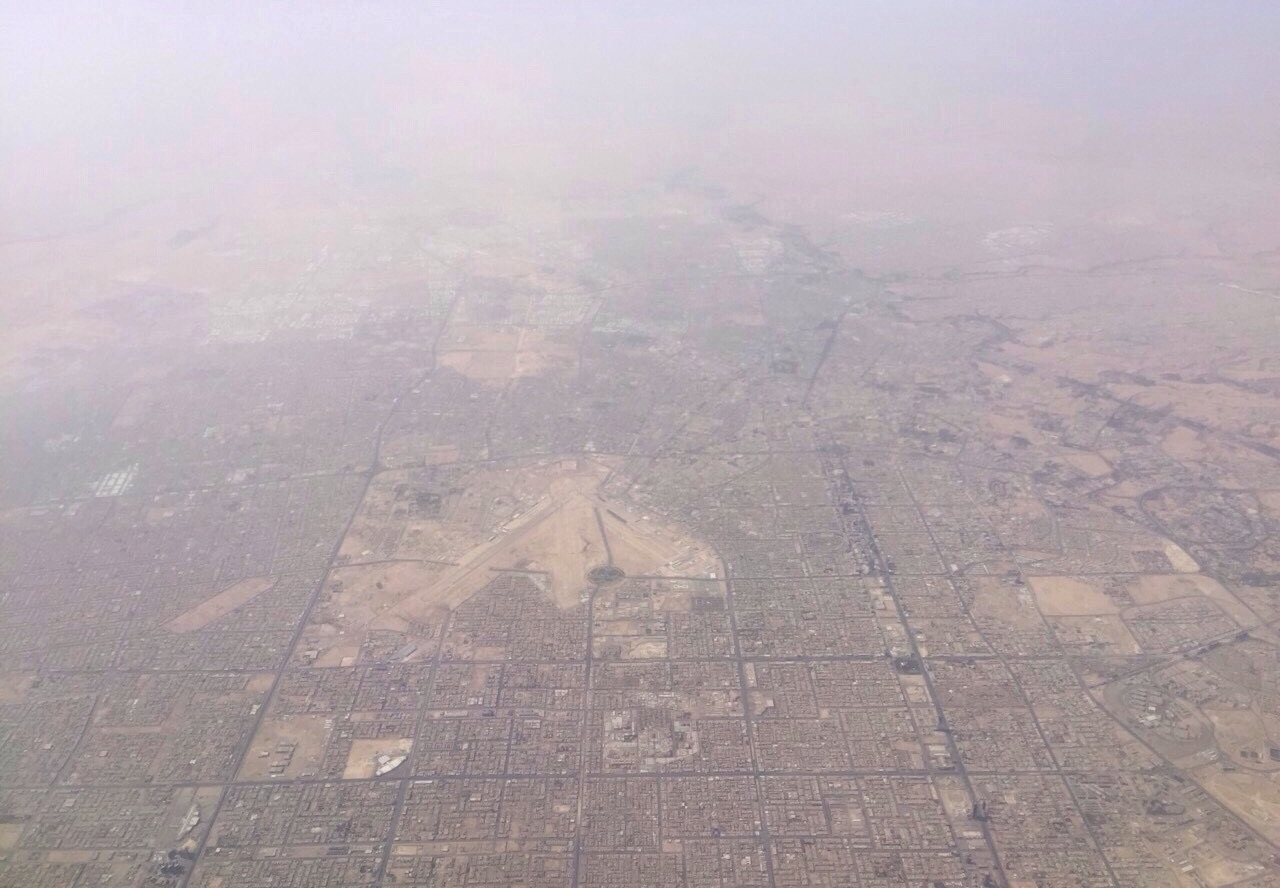
Strikes on Riyadh’s King Khalid International Airport killed at least 18 people and wounded hundreds this month. Now the fallout has reached Saudi Arabia’s flagship economic event. The kingdom postponed its Future Investment Initiative conference, set for October 26-29 in Riyadh, until 2027 after Houthi missile and drone attacks raised security concerns.
It’s a sharp reversal for a gathering Saudi leaders turned into a global brand. The FII Institute said it would announce a new date “very soon.” The event was due to hold its 10th edition.
The Security Picture
The Houthis, Yemen’s Iran-aligned militia, didn’t limit their fire to military sites. Reuters reported that the kingdom faced an escalating war with the group, which struck military, energy and civilian infrastructure, including the headquarters of state oil company Aramco and Riyadh’s international airport. Those attacks disrupted air travel and rattled international executives and investors.
The pattern isn’t new to the Gulf. Several conferences in the UAE and Qatar were cancelled, postponed or reworked during the first part of 2026, when those countries bore the brunt of attacks and Saudi Arabia suffered fewer hits. Riyadh had avoided the worst until this month. Reuters said organizers considered a hybrid format that would let executives attend remotely. They apparently decided it wasn’t enough.
Attendees faced real pressure. Semafor reported that major banks and private-equity firms privately conveyed safety concerns to Saudi Arabia’s Public Investment Fund Governor Yasir Al-Rumayyan, while CEOs felt pressure to attend the four-day event. One source told The National their company remained committed to attending and described the mood as “calm and level-headed,” but said safety came first.
An Economic Showcase Goes Dark
Informally called “Davos in the Desert,” the conference has become a major event for global financiers. It promotes Saudi Arabia’s investment plans and seeks billions of dollars to support economic diversification away from hydrocarbons and toward tourism, sports and technology. FII launched in 2017 and has served as a platform for Crown Prince Mohammed bin Salman to promote Vision 2030, a program aimed at reducing reliance on oil and attracting foreign capital.
The 2026 draft program listed Goldman Sachs CEO and Chairman David Solomon, Standard Chartered CEO Bill Winters and Citi CEO Jane Fraser as expected speakers. The National also reported that BlackRock chief executive Larry Fink and JPMorgan Chase chief executive Jamie Dimon were expected to attend.
FII chief executive Princess Dr Maha Bint Mishari Al Saud said the conference “will now take place in 2027” and that the decision “comes from a deep commitment to our partners, members, speakers and delegates.” She said: “Because this is our landmark 10th edition, we want to ensure it delivers the full scale, extraordinary quality, and unforgettable impact that our community has come to expect and truly deserves.” The institute’s statement presented the delay as protection for the “milestone tenth edition,” rather than directly citing the attacks.
A Widening Freeze
Other Saudi events have followed suit. Messe Frankfurt Saudi Arabia said Intersec Saudi Arabia 2026, scheduled for November 16-18, would take place in October 2027. Organizers postponed the Saudi Retail Forum, scheduled for November 19, to March 2027. The company said it made the decision after closely monitoring developments and coordinating with the venue, local government partners, and local and international stakeholders. It said it prioritized the safety and security of exhibitors, visitors, partners, suppliers and staff.
The National also reported that Saudi Arabia and the European Union postponed a planned summit, while security concerns delayed or cancelled sporting and cultural events.
Why This Matters: Vision 2030 depends on one commodity above all: confidence. Investors won’t commit billions to a country where missiles can close its main airport, and the Houthis, armed and backed by Iran, have shown they can threaten that confidence at modest cost. The postponements across Saudi Arabia, the UAE and Qatar show how an Iranian proxy network can impose economic costs on Gulf states far from any front line. For Western governments weighing how much to invest in countering that network, this month’s events show that security and economic diversification can’t be separated.
- future investment initiative
- saudi arabia
- riyadh
- conference postponement
- houthi attacks
- fii institute
- maha bint mishari al saud
- vision 2030