
Saudi Arabia says it will take “all necessary measures” to defend its territory. Attacks on airports and other civilian infrastructure have sharpened the conflict between the Saudi state’s security apparatus and Houthi forces. Abdulaziz Alwasil, Saudi Arabia's Permanent Representative to the UN, told the Security Council on Friday, Oct. 9, that Yemen must not become a staging ground for attacks on the Kingdom or threats to Red Sea shipping.
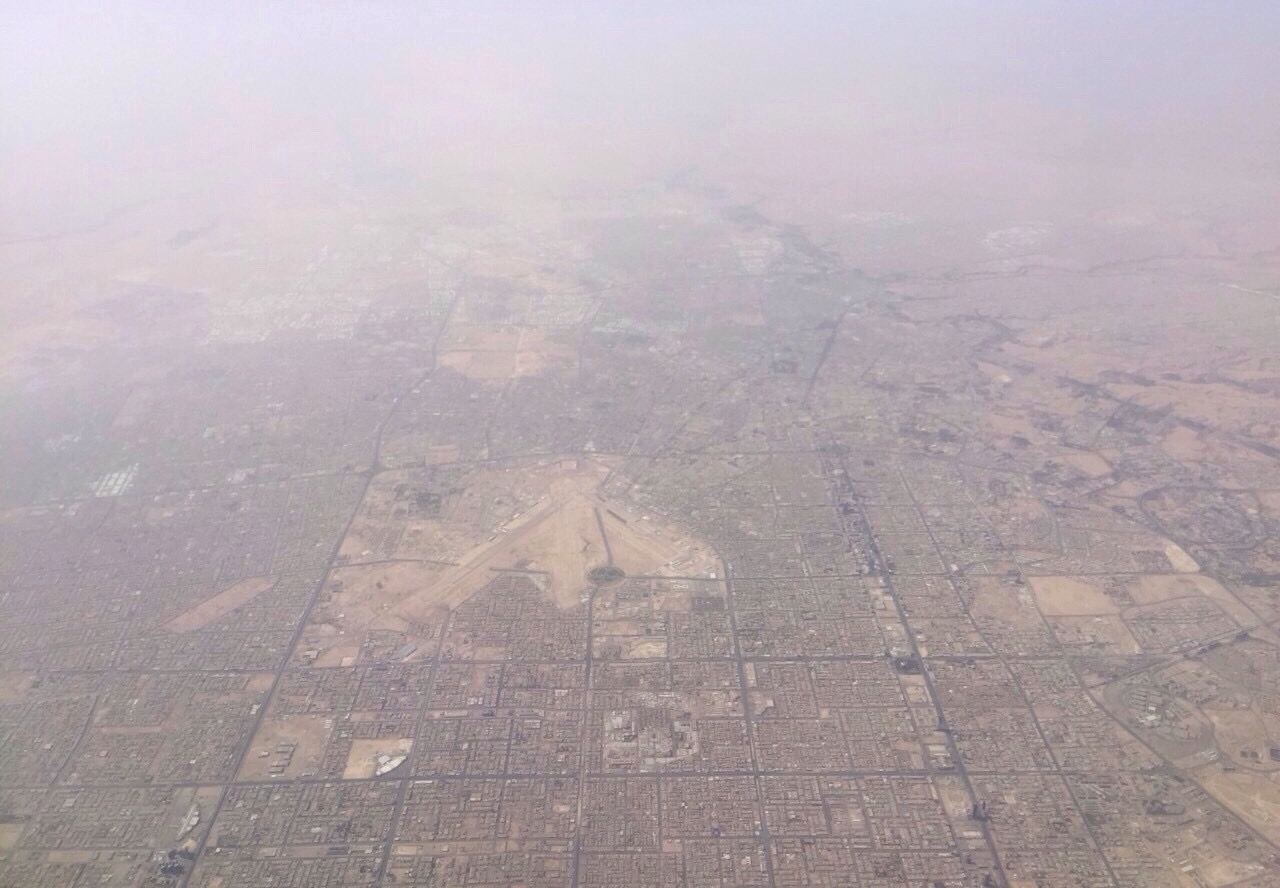
A day before Alwasil spoke, two attacks on King Khalid International Airport in Riyadh killed three Saudi nationals, including Saudia pilot Capt. Hamoud Ali Alkalthami, and injured several others. The strikes damaged airport facilities and an aircraft belonging to the national carrier, disrupting flights. Alwasil called them a “blatant act of aggression” and said attacks on civilian infrastructure threatened civilians and aviation security.
Security, delivered by force
Alwasil defended Saudi Arabia’s right to protect its territory and deter further attacks, while saying Riyadh remained committed to a political solution. “Saudi Arabia has always placed peace above all other options,” he said. He accused the Houthis of rejecting diplomatic initiatives and choosing military escalation that obstructed a comprehensive political solution. “Nor can it accept that a terrorist militia impose its will on Yemen and the region by force,” he added.
The statement lays out competing claims to authority in stark terms: Saudi Arabia invokes sovereignty and self-defense; according to Alwasil, the Houthis seek to impose their will by force. The account also describes Saudi-backed government forces launching counteroffensives as Houthi forces advanced along parts of the Red Sea coast. Civilians face danger from attacks and military operations, while a political settlement remains an announced goal, not an accomplished one.
Alwasil said missiles and drones had targeted Riyadh, Abha, Khamis Mushait, Jazan and Najran in recent weeks. He cited an attempt to target Makkah on Sept. 15 and an attack on the Taiba electricity distribution station in Madinah on Sept. 29. Saudi aviation authorities said earlier attacks on Abha and Riyadh airports on Oct. 6 and 7 killed three civilians and injured 36 others.
The UN appeal and the costs to civilians
Alwasil warned that attacks in the Red Sea and Bab Al-Mandab Strait threatened commercial shipping, energy supplies and international trade. He accused the Houthis of forcibly displacing civilians, using starvation as a weapon and recruiting children to fight. These claims come from the Saudi representative; the base report includes no response from the Houthis.
Saudi Arabia called on the Security Council to enforce relevant resolutions, including those concerning the arms embargo on the Houthis and freedom of navigation in the Red Sea. Alwasil reiterated support for Yemen's internationally recognized government and UN-led peace efforts, and said any settlement must preserve Yemen's sovereignty, unity and territorial integrity. The appeal asks an international institution to enforce rules as armed actors on the ground continue fighting.
Riyadh also cited its economic assistance. Alwasil said a budget support payment exceeding SR224 million ($59.7 million) went to Yemen on Oct. 4, and that Saudi economic and development support exceeded $12.6 billion between 2012 and 2026, alongside more than $4.5 billion in humanitarian assistance. He urged the Security Council to act to stop Houthi attacks and prevent further threats to regional security and navigation. Those figures describe aid and support; the report doesn't detail how the money is distributed or what conditions accompany it. For Yemenis facing displacement, hunger and attacks, declarations of sovereignty and promises of a political settlement remain far from protection on the ground.