
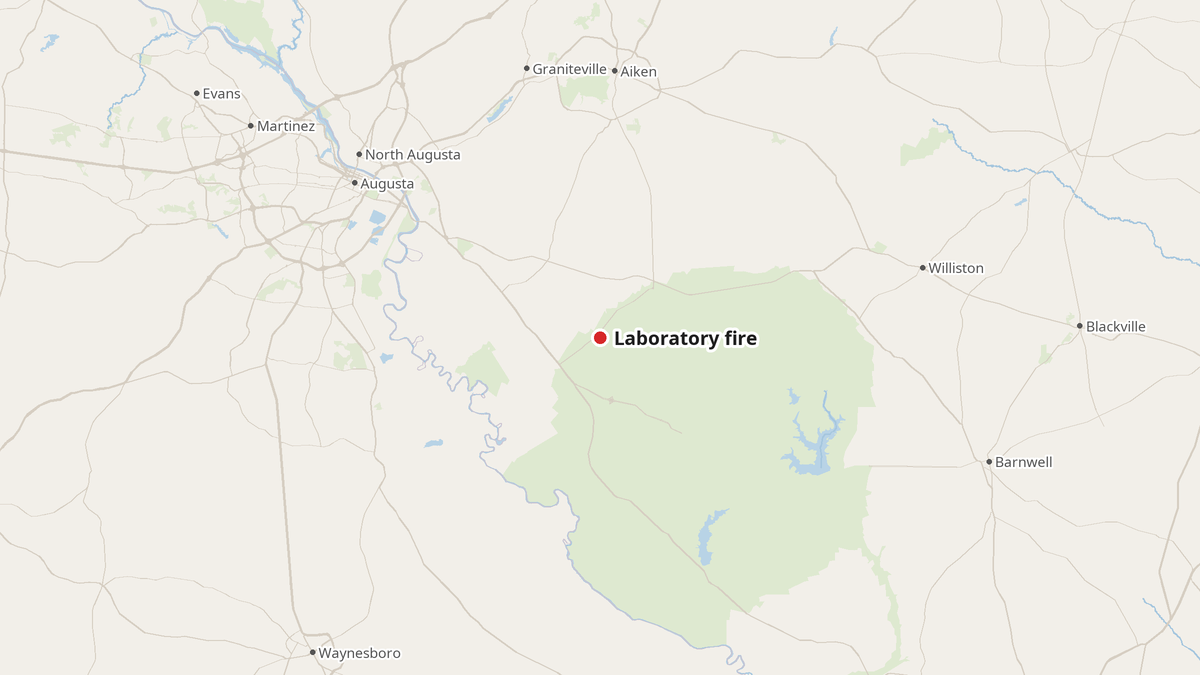
A fire at the Savannah River National Laboratory in South Carolina triggered an emergency declaration Wednesday, shut down incoming traffic and restricted air and rail service across the area. By nightfall, it was out.
The fire was extinguished by Wednesday night, the site returned to normal operations, and no detectable contamination was found, according to a statement from the Savannah River Site. That's the outcome that matters most, and it arrived within hours rather than days.
The Response
The emergency declaration set off a rapid chain of restrictions. Incoming traffic was shut down. Air and rail service in the area was restricted. For a facility of this kind, those are the kinds of precautions that signal a protocol working as written: a hazard is identified, access is locked down, and the surrounding area is protected until officials know what they're dealing with.
The quick return to normal operations suggests the site's emergency procedures did what they were built to do. The fire didn't spread into a prolonged crisis, and the restrictions on movement didn't linger once the threat had passed.
A Site With a Heavy History
The laboratory is part of the U.S. Department of Energy's Savannah River Site, a complex where key components for nuclear bombs were once made. That legacy explains why a fire at the facility draws an immediate and cautious response, and why the question of contamination looms so large in the first hours after any incident.
On that question, the site's statement was direct: no detectable contamination was found. For neighbors, workers and local businesses that depend on regional transportation links, that finding is the central fact.
What We Don't Yet Know
The site's statement, as relayed in the initial reporting, doesn't say what caused the fire. It also doesn't describe the extent of any damage inside the laboratory, and it doesn't detail how long the traffic, air and rail restrictions lasted before being lifted. Those gaps will matter as the Department of Energy and site managers review what happened.
Taxpayers fund the federal complex, and they're entitled to a clear accounting. A fire that was contained quickly is good news, but it doesn't substitute for a transparent explanation of how it started and whether safeguards held up as designed.
Why This Matters:
The Savannah River Site is federally owned infrastructure with a nuclear-weapons past, so even a short-lived fire raises legitimate questions about oversight, safety culture and public accountability. The reassuring facts are real: the blaze was out by Wednesday night, operations resumed, and no detectable contamination was found. Still, a single day without lasting harm doesn't settle how the fire began or whether the emergency response should be refined. Disruptions to traffic, air and rail also carry costs for the surrounding community, even when they're brief. From a fiscal and institutional standpoint, the priority now is a clear, public explanation of the cause and the lessons learned, so that a well-handled incident today doesn't become a harder one tomorrow.
- savannah river national laboratory
- savannah river site
- south carolina
- fire
- emergency declaration
- department of energy
- nuclear weapons