
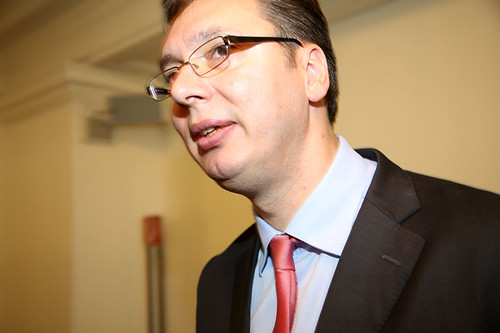
Serbia was heading for record turnout in Sunday's parliamentary election, as long queues formed at polling stations and voters weighed a challenge to a ruling party that has dominated the country since 2012. The numbers are striking. Election monitoring group CRTA said turnout had reached 41.1% by 1 p.m., compared with 26.6% at the same point in the December 2023 parliamentary election.
For Brussels, which has kept Serbia in a long, uneasy accession orbit, the surge in participation is a signal worth reading carefully. A Western Balkans candidate country is deciding who will run it, and unusually large numbers of voters are taking part.
The Turnout Numbers
Several sources released figures, and they point in the same direction. The Republican Election Commission said 34.55% of registered voters had cast ballots by noon, up from 21.33% at the same point in 2023. Pollsters CeSID and Ipsos put turnout at 27.3% by 11 a.m., nearly double the 15.1% recorded at the same time in the previous election.
The queues were long. Polling stations were due to close at 8 p.m., and officials expected initial indications of the result later in the evening. The vote will determine the composition of the 250-seat parliament.
What Drove People to the Polls
The unusually high participation followed nearly two years of student-led protests against the government. They began after a railway-station canopy collapsed in Novi Sad, a city in northern Serbia, in November 2024, killing 16 people. A public-works failure with that many deaths became a sustained political movement, and now an electoral one.
The student-backed opposition list, Students Are Winning, sought to turn the protest movement into a direct challenge to President Aleksandar Vucic's ruling Serbian Progressive Party (SNS). The party has dominated Serbian politics since 2012, and the challenge to Vucic's decade-long grip on power is the central question of the vote.
Vucic Stakes His Name on the List
Vucic resigned as president in September to lead the SNS-led United Serbia list. After voting, he said he would accept the outcome. "If we lose we will acknowledge the will of the electorate, if we win no one will take it (from us)," he said.
That pledge matters. Contested results can harden political divisions in the region, and a commitment to accept the verdict, whichever way it goes, sets a standard both sides will now face. Vucic gave up the presidency to put himself at the head of a party list, a notable gamble for a leader who has shaped the country's politics for a decade.
The basic facts leave open how people will receive the result. Early indications were due only after polls closed, and the make-up of the 250-seat chamber will determine who can govern.
Why This Matters:
Serbia is a candidate country on Europe's doorstep, and events inside its institutions affect stability across the Western Balkans. Record turnout suggests citizens still believe the ballot box is the place to settle disputes over accountability. That's the healthiest possible outcome from a protest movement born of a fatal infrastructure failure. For EU capitals, the practical test comes after the count: whether the winner is accepted, whether institutions hold, and whether Serbia visibly meets the democratic standards Brussels demands of candidates. Enlargement credibility depends on candidates delivering clean, accountable government, not on Brussels dictating who should win. Vucic's promise to respect the result will be measured against what happens next.
- serbia
- parliamentary election
- election turnout
- student protests
- aleksandar vucic
- serbian progressive party
- students are winning
- novi sad