
Pollution from sewage and agricultural runoff is causing an "alarming" collapse in marine biodiversity along Britain's coastline, according to new research that reveals the cascading environmental damage of inadequate environmental protections.
Scientists examining 16 sites across the British coast found that seagrass meadows contaminated by excessive nutrients—from sewage discharges, farm fertilizers, and industrial wastewater—harbor far fewer invertebrates and dramatically reduced species diversity. The findings underscore how pollution originating on land devastates entire ecosystems at sea, with consequences rippling through food chains that support fish and bird populations.
The Scale of Ecological Collapse
The research, conducted by Project Seagrass and Swansea University and published in the Global Ecology and Conservation journal, documents a stark relationship between nutrient pollution and biological impoverishment. Higher concentrations of nitrogen were consistently linked to reductions in animal abundance and species richness—with increased nitrogen potentially corresponding to an approximately 90% decrease in the abundance of life per unit of available habitat area. Phosphorus pollution was shown to have "a devastating negative effect on life within lagoon environments" in particular.
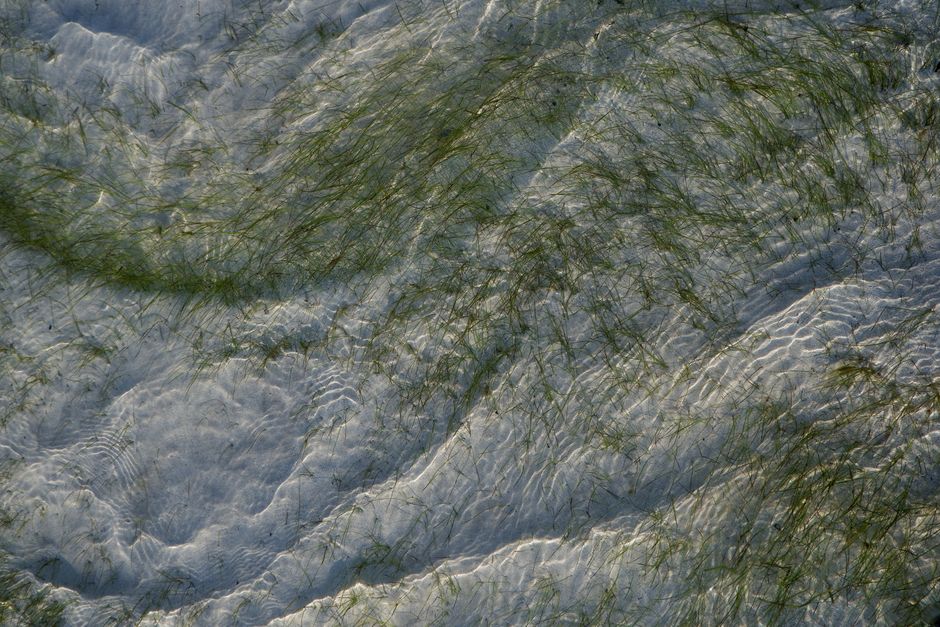
Seagrass meadows are flowering plants that form dense underwater forests in shallow, sheltered coastal areas. A single hectare can harbor as many as 100 million invertebrates, which function as the ecological equivalent of insects in a terrestrial forest, helping the ecosystem function in the marine environment. These meadows are also critical carbon sinks, absorbing vast amounts of carbon dioxide and playing a vital role in climate change mitigation.
Dr Benjamin Jones from Project Seagrass explained the human dimensions of the crisis: "People don't want to swim in seas polluted by sewage. But this is one of the first studies of its kind to show that some of those nutrient inputs... are having an impact on the animals too."
Pollution Sources and Geographic Impact
The problem stems from multiple sources of nutrient enrichment, or eutrophication. Sewage discharges, runoff of fertilizers and manures from farms, and wastewater from industry all increase nitrogen and phosphorus levels in rivers and estuaries. These excess nutrients trigger algae blooms that smother seagrass beds, block sunlight, and deplete water of oxygen—creating dead zones hostile to marine life.
The damage is geographically widespread. Algae-smothered seagrass meadows in the Thames estuary along the Essex coast and the Firth of Forth on Scotland's east coast were among the worst affected. In Wales, significant issues were flagged at Skomer Island, an internationally renowned wildlife haven. By contrast, sites with "healthy, clear water" like the Isles of Scilly off Cornwall and the Orkney Islands showed substantially more abundant and diverse marine life.
Dr Richard Unsworth from Swansea University emphasized the systemic nature of the threat: "I think it's quite alarming that all this riverine input in terms of sewage, in terms of poor fertiliser use... is all coming out onto our coasts and influencing the amount of food available for fish, the amount of food for birds. We want that biodiversity, we want that productivity in our oceans."
Institutional Response and Policy Gaps
The severity of the pollution problem has already prompted some regulatory action. In recent years, concerns about nutrient pollution have led to limits on housebuilding in some coastal areas and restrictions on spreading and storing slurry on farmland. However, these measures appear insufficient to address the scale of the crisis.
Jones highlighted a critical gap in environmental governance, pointing to the need for integrated thinking across sectors. "If we want to protect the marine environment we need to look towards the land and there needs to be some integrated thinking—that's a conversation that's very rarely had," he said. He also noted there is "a lot of talk around sewage," suggesting that while public attention focuses on one pollution source, the broader systemic failure to manage nutrient inputs from agriculture and industry remains inadequately addressed.
Why This Matters:
This research exposes how fragmented environmental regulation fails to protect public resources and biodiversity. Seagrass meadows provide essential ecosystem services—carbon sequestration, fish nurseries, and bird food sources—that benefit society broadly but are treated as externalities in agricultural and industrial policy. The 90% potential reduction in invertebrate populations represents not merely ecological loss but the undermining of food security for marine species and the people who depend on healthy fisheries. The fact that pollution controls have proven necessary in some coastal areas while remaining absent in others reveals unequal protection of environmental rights and public health. The research suggests that meaningful marine conservation requires integrated land-use policy addressing sewage treatment, agricultural practices, and industrial discharge standards—a systemic approach that has been largely absent from environmental governance.