
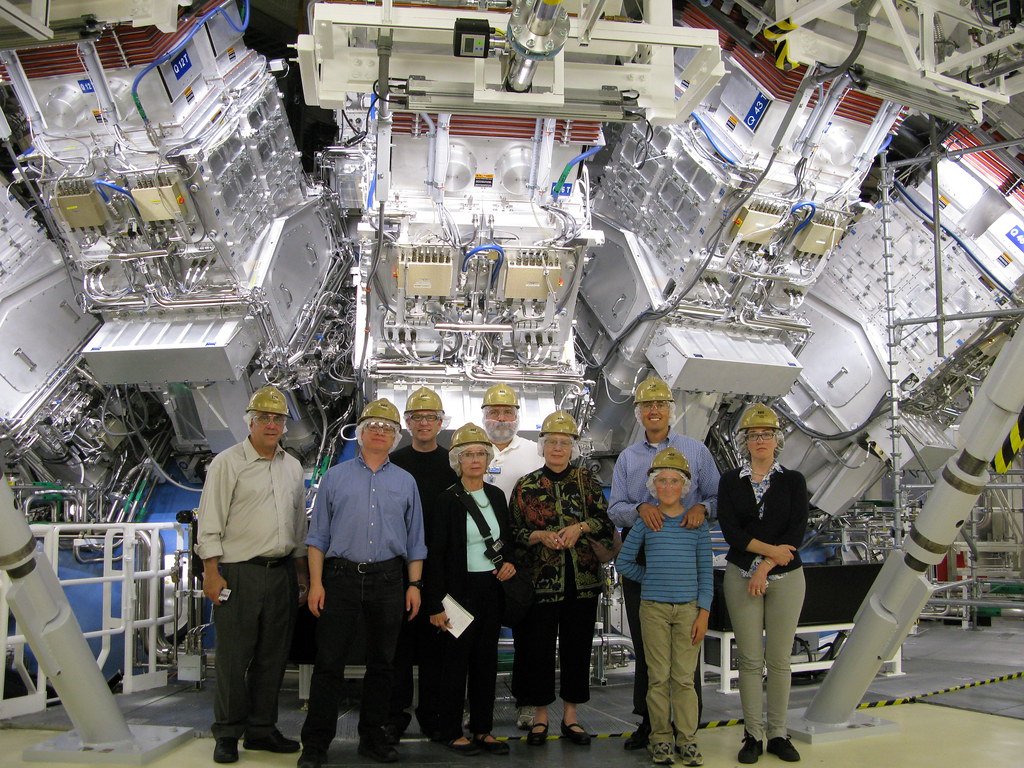
Singapore is following fusion developments closely as it looks to reduce its reliance on natural gas imports and secure long-term energy independence. The city-state gets 95% of its electricity from natural gas, and authorities are searching for viable alternatives for a resource-poor nation with limited energy options.
The move reflects a practical calculation: Singapore's dependence on imported natural gas leaves it vulnerable to supply disruptions and price volatility. By exploring fusion now, policymakers are preparing for future energy constraints and positioning the nation to benefit from an industry that could transform energy supply.
The Energy Challenge
Singapore's energy situation is straightforward. The country imports nearly all its natural gas, primarily from Indonesia, Malaysia, and Australia. That reliance creates economic and security vulnerabilities. Natural gas prices fluctuate with global markets, affecting electricity costs and industrial operations. One supply disruption could ripple through the economy.
Fusion could address this structural problem. Unlike fossil fuels, fusion produces energy through nuclear reactions between light elements, generating enormous power from small amounts of fuel. For a densely populated island nation with no substantial fossil fuel reserves or vast solar potential, fusion offers a path to energy security that doesn't depend on imports or geopolitical goodwill.
Why Fusion, Why Now
Singapore's interest in fusion isn't speculative dreaming. The technology has moved from theoretical physics into engineering reality. Private companies and government-backed programs worldwide are investing heavily in fusion reactors, and several projects are approaching demonstration phases. By tracking these developments closely, Singapore's authorities are preparing the country to adopt the technology if it reaches commercial viability.
This forward-looking approach fits Singapore's broader economic strategy: identifying emerging industries, building expertise, and positioning the nation as a hub before competitors do. For economies dependent on energy imports, fusion could be a game-changer, much as solar and wind disrupted traditional energy markets. Fusion, though, could also solve the intermittency problems that plague renewables.
The Practical Advantage
Singapore lacks the conventional options available to larger nations with coal reserves or vast areas for renewable energy farms. It's one of the world's most densely populated countries, with limited space for large-scale solar installations or wind farms. Nuclear fission remains politically contentious globally, though Singapore hasn't ruled it out. Fusion avoids many of fission's drawbacks: it produces no long-lived radioactive waste and poses virtually no meltdown risk.
For a small, prosperous nation reliant on foreign energy supplies, the economics are compelling. Fusion could eventually deliver baseload power without ongoing resource imports, freeing capital spent on energy for other investments and reducing exposure to global energy price shocks.
Why This Matters:
Singapore's move toward fusion exploration reflects a rational approach to energy security that other developed nations ought to consider. The country recognizes that imported natural gas creates systemic risk and long-term cost exposure. Rather than pursue expensive renewable subsidies or politically fraught coal expansion, Singapore is identifying a technology that could fundamentally alter its energy economics once it matures. For policymakers worldwide, the lesson is clear: invest early in emerging technologies that address fundamental constraints rather than doubling down on current dependencies. As fusion moves from laboratory to industry, nations that position themselves early will likely capture economic benefits while reducing vulnerability to energy supply disruptions. Singapore's calculated interest in fusion isn't about ideology; it's about survival economics in a resource-constrained environment.