
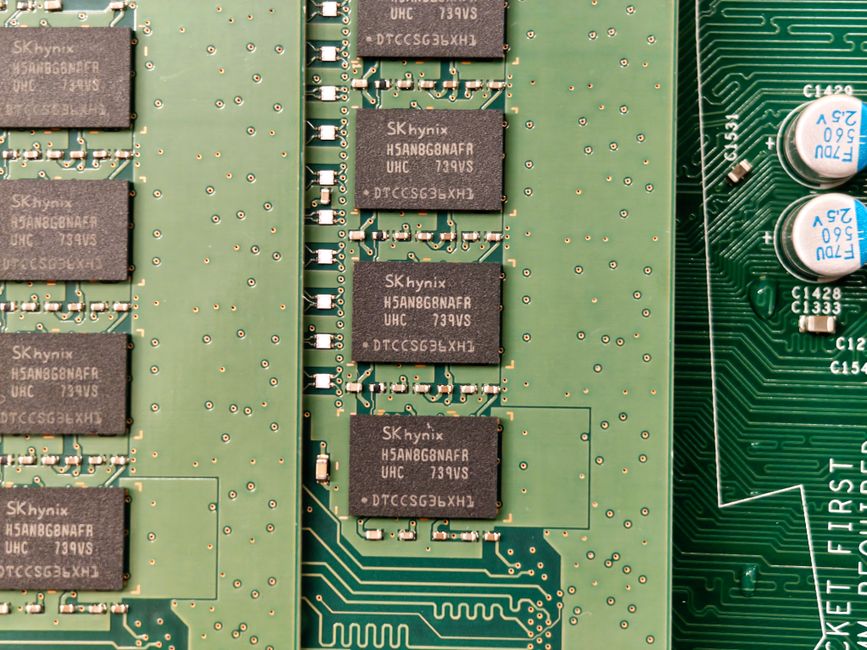
SK Hynix and its labor union have entered final negotiations over a tentative wage agreement, according to a Reuters report published August 19, 2026. The South Korean semiconductor giant is working with union representatives to finalize the precise language of a preliminary deal that could avert labor disruption in one of the world's most critical technology supply chains.
The negotiations remain in their closing stages. Both sides are refining the wording of terms that haven't been publicly disclosed. Reuters reported the talks as tentative and preliminary, offering no details on the size of any proposed wage increase or the specific provisions under discussion.
Timing and Industry Context
The wage discussions come as global semiconductor manufacturers face intense pressure to maintain production stability. SK Hynix stands as a major supplier of memory chips used in everything from smartphones to data centers, making any potential work stoppage a concern for technology companies worldwide. Labor agreements in South Korea's chip sector have drawn heightened attention as companies balance worker demands against the need to remain competitive in a capital-intensive industry where margins can shift rapidly.
South Korean labor law requires detailed agreement language before unions can ratify contracts, explaining the current focus on finalizing precise wording. The process typically involves multiple rounds of review by both management and union leadership before members vote on acceptance.
What Remains Unclear
Neither SK Hynix nor the union has released information about the financial terms being considered. The absence of public details about wage increase percentages, bonus structures, or benefit modifications leaves analysts and industry observers without clear indicators of how the deal might affect the company's labor costs going forward.
The semiconductor industry operates on thin margins despite high revenue figures, with companies investing billions in new fabrication facilities and research while competing against rivals in Taiwan, the United States, and elsewhere. Labor costs represent a significant but manageable portion of overall expenses for chip manufacturers, which spend far more on capital equipment and materials.
Next Steps
Once the language is finalized, the tentative agreement would typically go to union members for a ratification vote. That process hasn't begun, and no timeline has been announced for when workers might cast ballots on the proposed terms. Until ratification occurs, the deal remains subject to change or rejection.
SK Hynix hasn't commented publicly on the negotiations beyond confirming that discussions are ongoing. The company's silence on specifics follows standard practice for labor negotiations, where premature disclosure can complicate talks or create expectations that prove difficult to manage.
Why This Matters:
Labor stability at major semiconductor manufacturers directly affects global technology supply chains that still haven't fully recovered from recent disruptions. SK Hynix's ability to reach agreement with its workforce without production interruptions matters for companies dependent on steady chip supplies and for investors watching labor cost trends in the sector. The deal's terms, once disclosed, will offer insight into how South Korean tech companies are balancing worker compensation demands against competitive pressures in an industry where production efficiency and cost control determine market position. For policymakers concerned about maintaining South Korea's semiconductor dominance, peaceful labor relations represent a key advantage over competitors facing their own workforce challenges.