
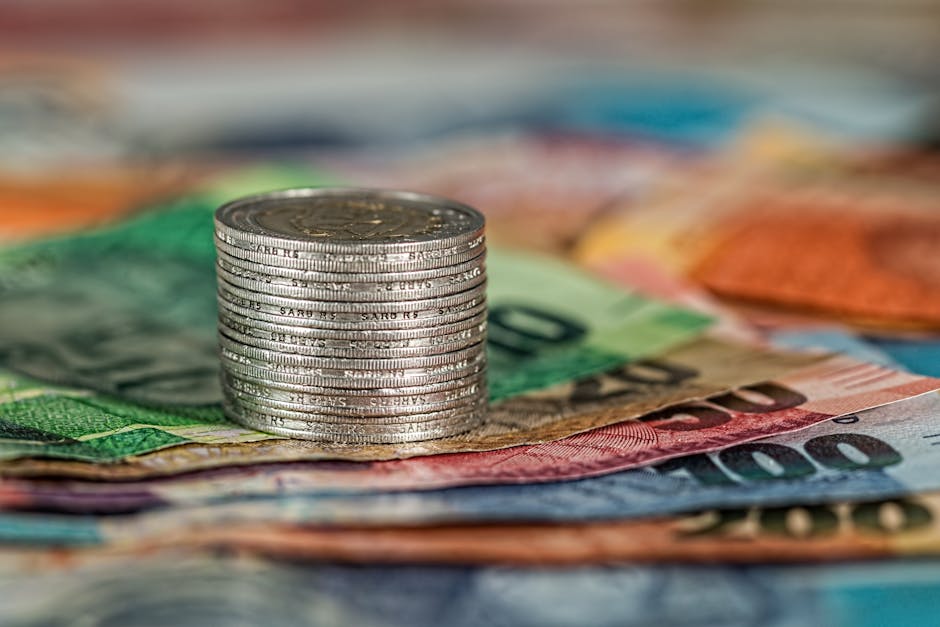
South Africa’s central bank kept its main lending rate unchanged at 7% on Thursday, even as inflation hit 5% year on year in June, 2 percentage points above the bank’s 3% target. The South African Reserve Bank said its policy was restrictive enough to bring inflation back within target within two years. Ordinary people, meanwhile, are left to live with the costs of decisions made behind closed doors by a monetary authority that answers to markets first and everyone else later.
Four Monetary Policy Committee members backed the decision. Two wanted a 25 basis point increase. The split shows the pressure inside the institution, but the result was the same: the rate stayed put, and the burden of elevated prices remains where it always lands, on people who don’t get to vote on central bank policy and don’t get to set the terms of survival.
Who Holds the Levers
Governor Lesetja Kganyago said inflation would be back within the bank’s 1-percentage-point tolerance band next year and “bang on target” in 2028. He also said the policy rate was “tight enough.” That’s the language of technocratic control: a small circle of officials deciding what counts as enough pain for everyone else.
“We are in a difficult bind. The worst position for a central banker is to have rising inflation and weak demand,” Kganyago said. The quote lays out the trap in plain terms. Rising prices and weak demand squeeze households from both sides, while the central bank frames the crisis as a problem of calibration rather than a system that keeps people exposed to it.
The bank revised down its inflation forecast for this year to 4.0% from 4.4% previously and revised up its 2026 economic growth forecast to 1.4% from 1.2%. Those numbers may comfort investors and policy watchers, but they don’t change the fact that the bank is managing the damage after the fact, not preventing it for the people living through it.
Who Pays for “Stability”
Sixteen out of 25 economists polled by Reuters had predicted a rate hike on Thursday, while nine expected no change. The surprise wasn’t that the bank acted in the interests of order. The surprise was that it chose a slower form of discipline than many expected. Either way, the public gets the bill.
Some analysts still expect a rate hike later this year, despite bank modelling showing rates broadly steady through the end of 2026. Citi economist Gina Schoeman said she saw evidence of second-round inflation effects and predicted a 25-basis-point increase at the next meeting in September. Andrew Matheny at Goldman Sachs said the rate hike at the last meeting in May, the first hike in three years, had given the bank a sufficient buffer to adopt a wait-and-see approach this time. He forecast interest rates would now stay on hold and policy easing resume early next year.
That’s the machinery talking to itself. Banks, economists, forecasts, buffers. The people who actually absorb the consequences are nowhere in the room.
The Market Reacts, As Usual
The rand currency plunged after the rate decision was announced, trading down over 2% against the dollar on the day at one point. The immediate punishment fell on the currency, but the wider pattern is familiar: a central bank tries to manage inflation, investors move, and the costs ripple outward through wages, prices, and household budgets.
The bank says its policy is restrictive enough. The market says it wanted more. Between those two pressures sits everyone else, stuck with the consequences of a system where a handful of officials and financial actors set the terms and call it stability.