
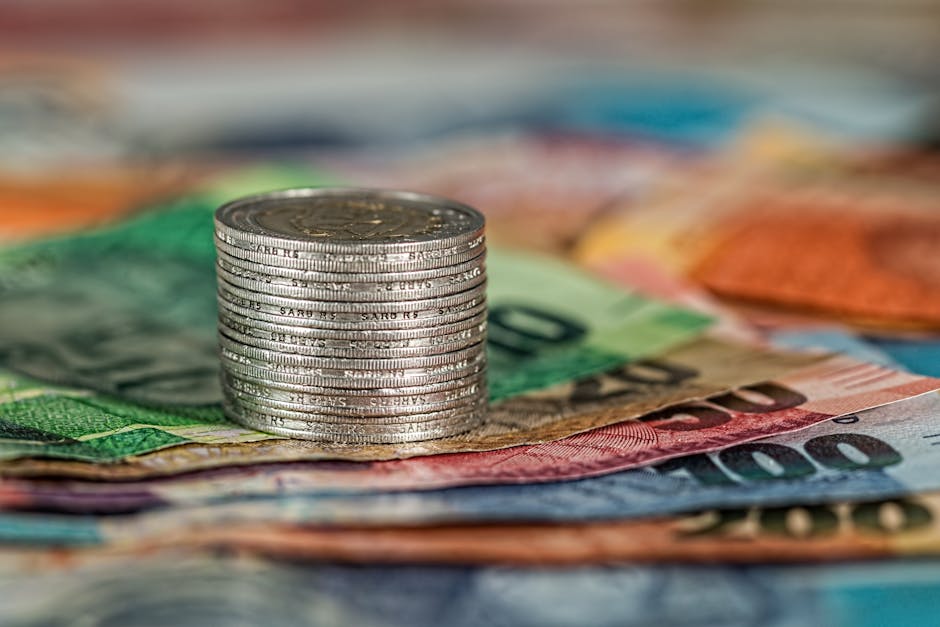
The South African rand plummeted over 2% against the dollar on Thursday, immediately after the nation's central bank unexpectedly announced it would hold its main lending rate at 7%. This decision by the South African Reserve Bank (SARB) defied the predictions of most economists and investors, leaving the national currency vulnerable.
Four members of the Monetary Policy Committee supported keeping the rate unchanged, while only two favored a 25-basis-point increase. The bank's tone was notably less hawkish than anticipated, despite recent data showing inflation had surged to its highest in two years just last month.
Inflation reached 5% year on year in June, a full two percentage points above the bank’s stated 3% target. This persistent inflation erodes the purchasing power of the native working class, making everyday goods and services more expensive.
Elite Decisions, National Costs
Governor Lesetja Kganyago declared that inflation would return within the bank’s 1-percentage-point tolerance band next year, aiming to be “bang on target” by 2028. He insisted the current policy rate was “tight enough” to achieve these long-term goals, even as the national currency suffered an immediate blow.
Kganyago acknowledged the difficult position, stating, “We are in a difficult bind. The worst position for a central banker is to have rising inflation and weak demand.” This admission highlights the systemic challenges faced by national economies under current financial management.
SARB also revised its inflation forecast for this year downwards, from 4.4% to 4.0%. Simultaneously, it adjusted its 2026 economic growth forecast upwards, from 1.2% to 1.4%, attempting to project stability amidst the currency's decline.
The Globalist Consensus Ignored
Reuters had polled 25 economists, with 16 predicting a rate hike on Thursday. Only nine expected no change, underscoring the central bank's divergence from the broader financial consensus.
Some analysts still anticipate a rate hike later this year, despite the bank's own modeling suggesting rates would remain broadly steady through the end of 2026. Citi economist Gina Schoeman, for instance, cited evidence of second-round inflation effects and predicted a 25-basis-point increase at the next meeting in September.
Andrew Matheny at Goldman Sachs suggested the rate hike at the last meeting in May, the first such increase in three years, provided the bank with a sufficient buffer for a wait-and-see approach. He now forecasts interest rates will stay on hold, with policy easing resuming early next year, further cementing the elite financial class's influence over national economic direction.
Future of the Nation's Wealth
The immediate plunge of the rand currency directly impacts the wealth and stability of South African nationals. Their savings, their ability to import essential goods, and their overall economic standing are diminished by such decisions. The central bank's actions, while framed as long-term stability measures, carry immediate and tangible costs for the people who did not choose them.